
.png) Sponsored Content
Sponsored Content
Get water monitoring sorted before summer: Farmbot
.png?width=30&name=Canva%20authors%20(2).png) Sponsored Content: Oct 2, 2026
Sponsored Content: Oct 2, 2026
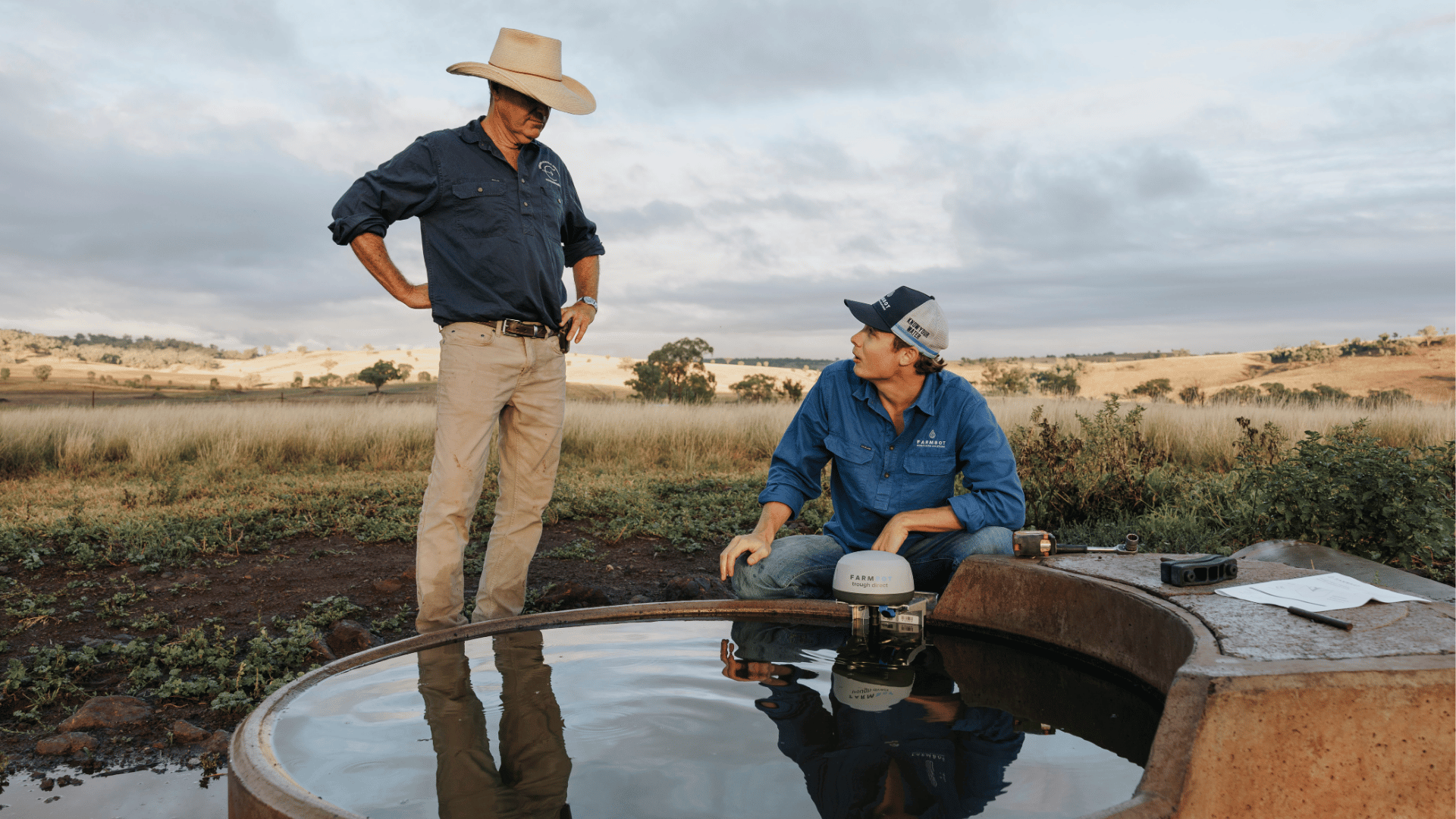
With summer approaching, it's the perfect time to get remote water monitoring in place, before stock and infrastructure come under pressure.
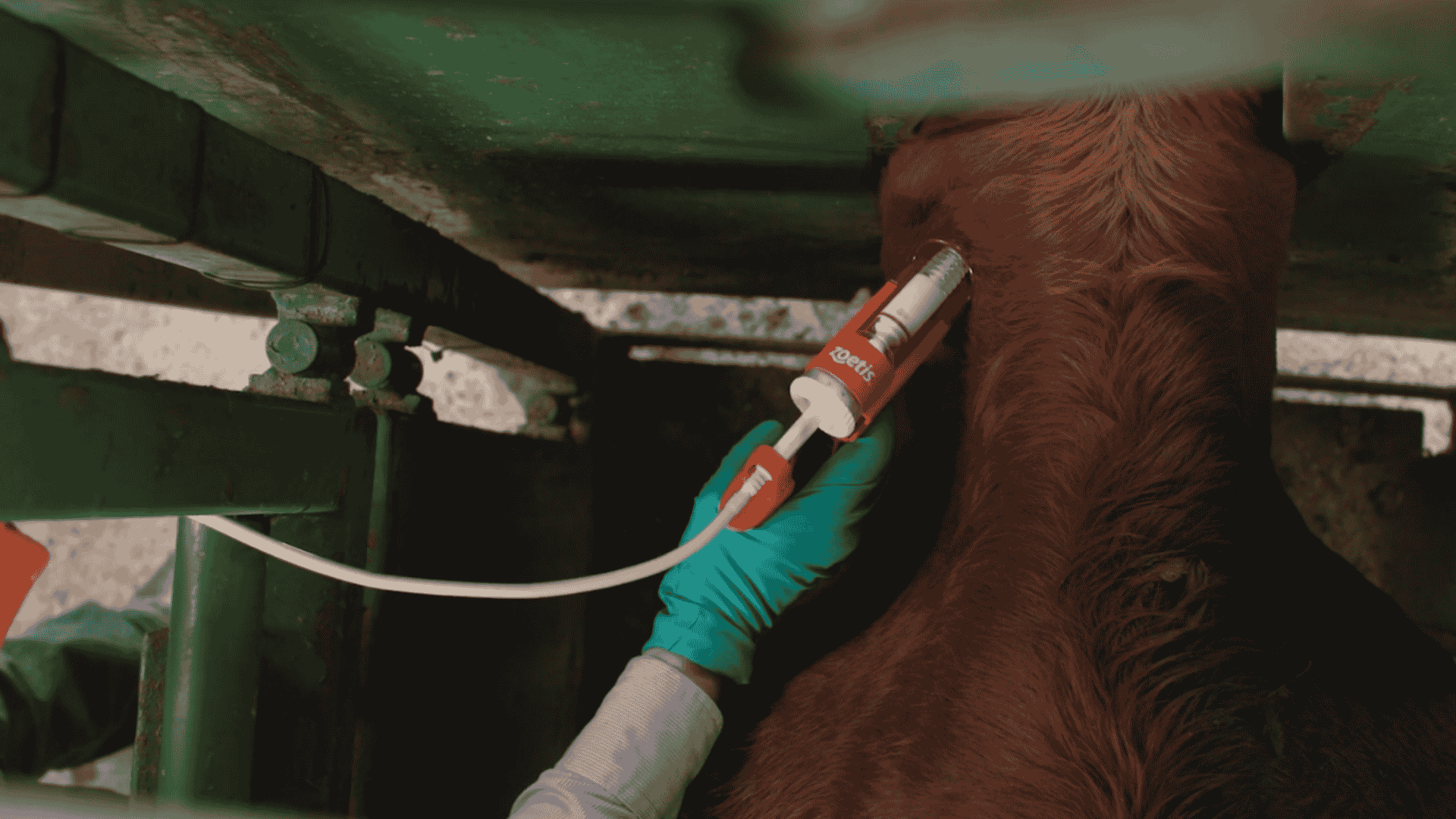
In contemporary Australian beef feedlot systems, pre-vaccination against Bovine Respiratory Disease (BRD) before cattle even set foot in the yard is no longer considered optional, it’s vital for success. BRD continues to be the leading cause of health issues and financial loss in feedlot cattle, driving up treatment costs, reducing average daily gain (ADG), and putting welfare and carcass value at risk.1
Australian studies show that pre-vaccinated, yard-weaned cattle have significantly reduced BRD rates, faster adaptation, higher ADG, and lower pulls and mortality than those merely managed at induction. It has been estimated that producers using optimal pre-feedlot strategies, including respiratory vaccination, could add millions of dollars in value to the beef sector annually.1,2
Pre-vaccination is especially critical because most BRD morbidity strikes in the first month on feed, precisely when immune responses are weakest and management transitions are most disruptive.1 Vaccinating before induction at the feedlot ensures that the cattle are protected during all critical stress periods, from on farm mustering and transportation, to induction and beyond when mixing, location and climatic changes all accumulate to create the highest-risk window for BRD.
Why dual protection matters
BRD is a complex syndrome, not a single disease, but a cascade triggered by stress, viral infection (commonly including IBR), and bacterial pathogens (especially Mannheimia haemolytica). Optimising pre-vaccination means targeting both the viral and bacterial elements, giving animals broad protection before they’re exposed to feedlot stressors.
Combining Rhinogard IBR and Bovi-Shield MH-One will optimise protection: 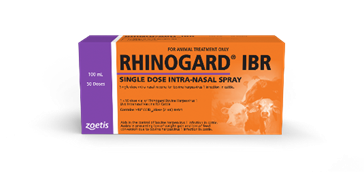
Rhinogard IBR: Delivers rapid, local, and systemic immunity against Infectious Bovine Rhinotracheitis, with protection developing as quickly as 3-4 days after a simple intranasal dose3. Rhinogard IBR stops disease through the reduction of IBR viral replication at the site of infection.3,4 Field trials have demonstrated that cattle vaccinated with Rhinogard at induction had improved average daily weight gain and feed conversion efficiency.3
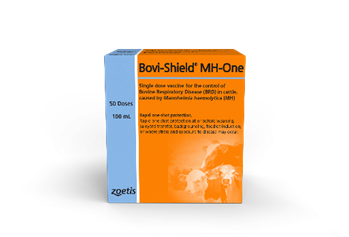
Bovi-Shield MH-One: Brings robust immunity against Mannheimia haemolytica (MH) validated in challenge studies with demonstrated protection against Australian strains of MH. Protection is achieved within just 7 days and lasts for at least 120 days - covering the critical induction and early feeding periods where BRD occur. Bovi-Shield MH-One is formulated to provides protection against both the MH bacteria and the potent leukotoxin it produces.
Both are single-dose vaccines, making logistics easier and ensuring maximum compliance, even in large, commercial operations. Flexible with both 10 dose and 50 dose packs which minimises wastage.
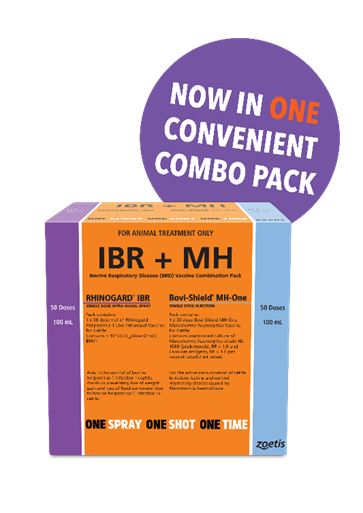
• Single-day program: Both vaccines can be given during a single yarding, reducing time and handling costs.
• No missed protection window: Both deliver immunity on-farm - when it counts, before stress and disease risk peak.
• No needles (Rhinogard): Intranasal administration is stress-free, safe for all ages of cattle, and works even where maternal antibodies are present.
• Now available in ONE convenient combination pack
• Healthier, faster-adapting cattle: Fewer sick pulls, higher ADG, better feed conversion providing lower costs and higher profits.
As Australian beef production evolves, the best-managed, most sought-after feeder cattle will be fully prepared before feedlot entry. Pre-vaccination using Rhinogard and Bovi-Shield MH-One together offers rapid protection, single dose technology with practical advantages. Combined with yard-weaning, optimising pre-vaccination programs translates directly into improved financial performance, animal welfare outcomes, and supplier reputation.
Pre-vaccination is not only good medicine - it’s good business.
References
1. Barnes, T., et al. (2014). Epidemiology and management of bovine respiratory disease in feedlot cattle. Final report for MLA project B.FLT.0224. North Sydney, NSW, Meat and Livestock Australia.
2. Fell LR., et al. (1998). "Effects of yard weaning and pre-feedlot vaccination on feedlot performance of Bos Taurus steers." Animal Production in Australia 22: 173-176.
3. Zoetis, data on file.
4. Todd JD et al (1972). Interferon in nasal secretions and sera of calves after intranasal administration of avirulent IBR virus: association of interferon in nasal secretions with early resistance to challenge with virulent virus. Infection and Immunity, May 1972669-706
 Sponsored Content: Oct 2, 2026
With summer approaching, it's the perfect time to get remote water monitoring in place, before stock and infrastructure come under pressure.
 Sponsored Content: Sep 16, 2026
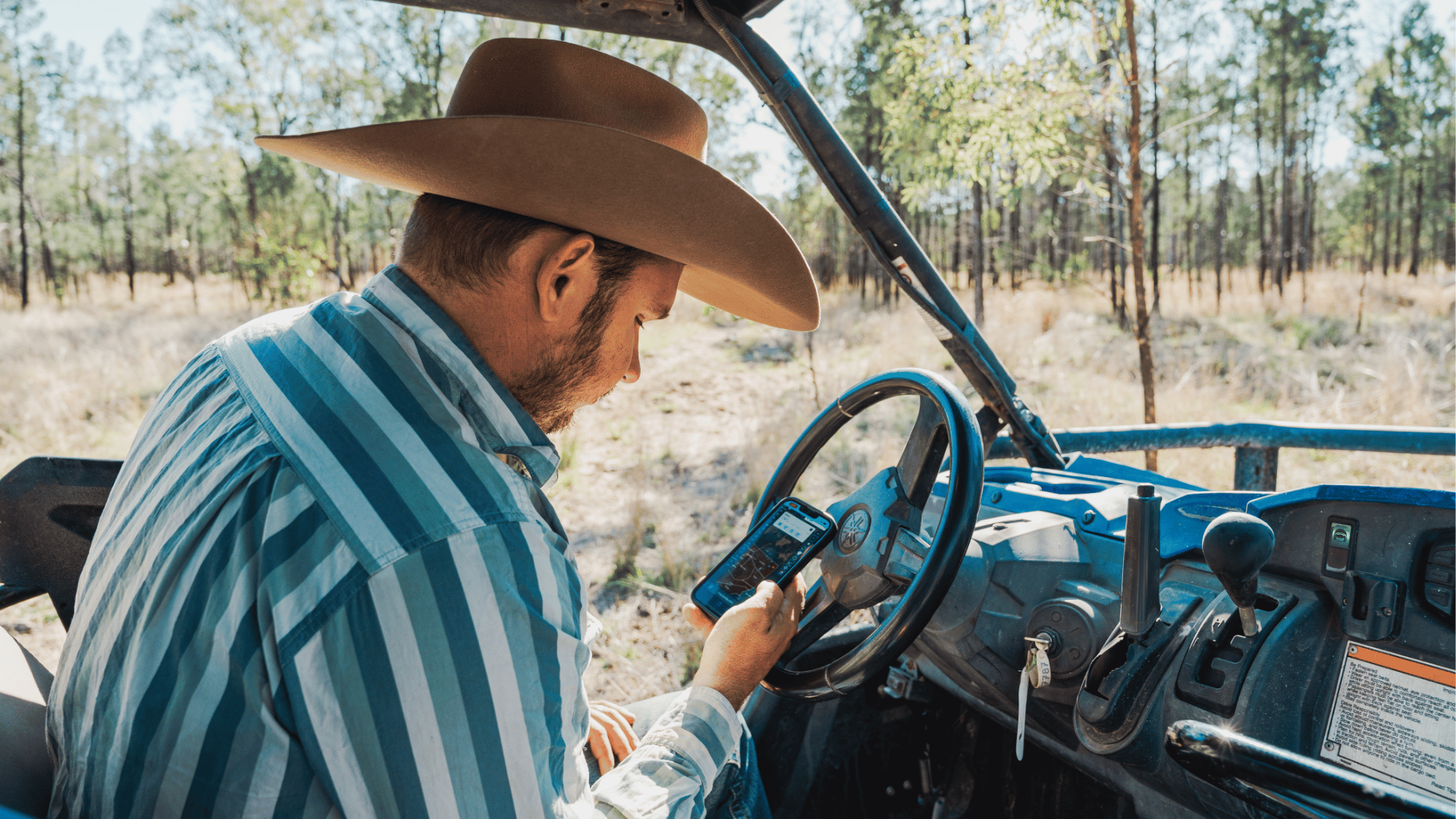
When fire jumped the boundary at Attica Station two years ago, station manager Brandon Hood-Smith reached for his phone to check on the cattle.
 Sponsored Content: Aug 26, 2026
Having a good team of trusted advisors to call on is essential for a modern farm business, according to Charlie Perry, principal of Trent Bridge...