
.png) Andrew Whitelaw
Andrew Whitelaw
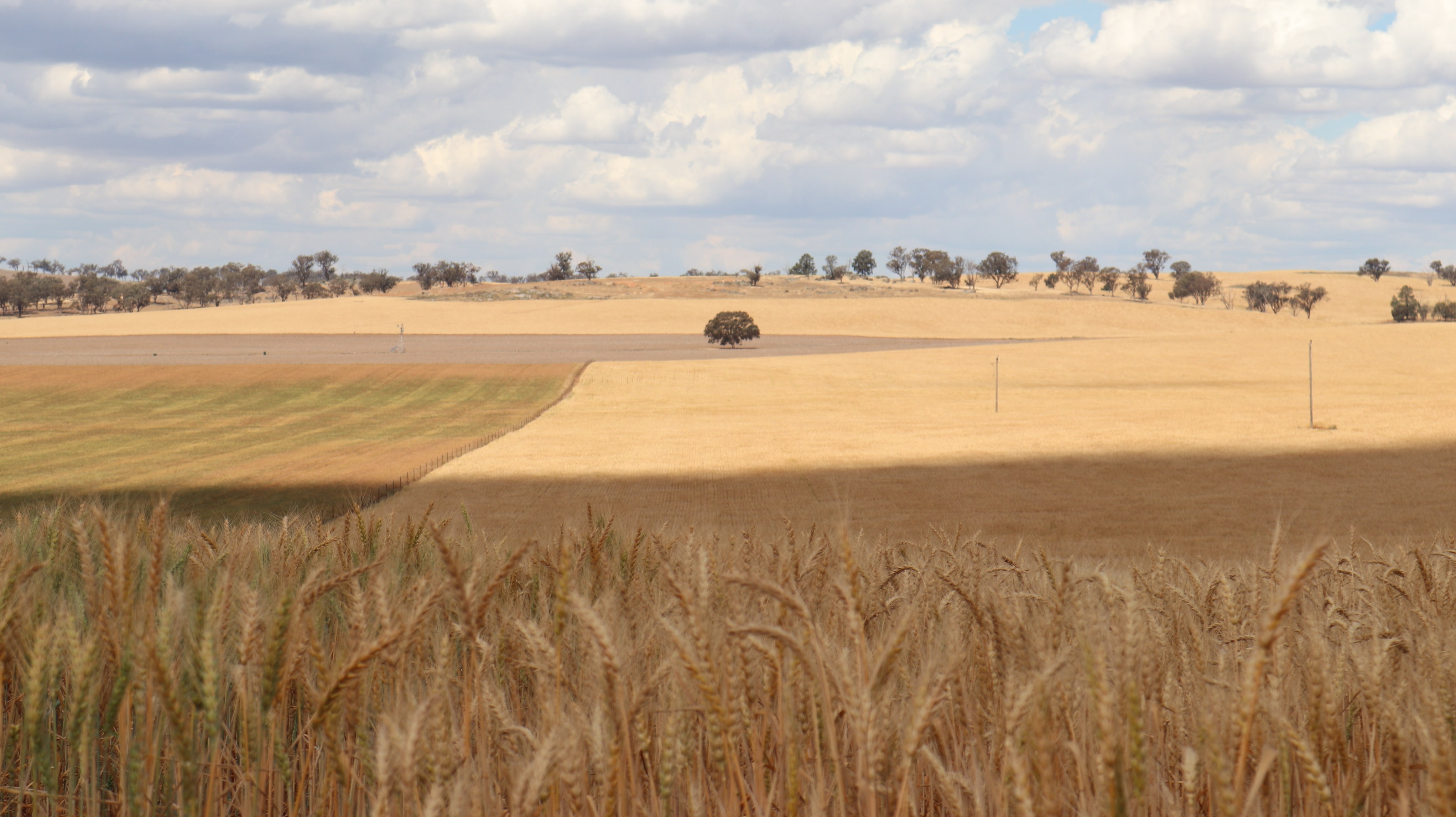
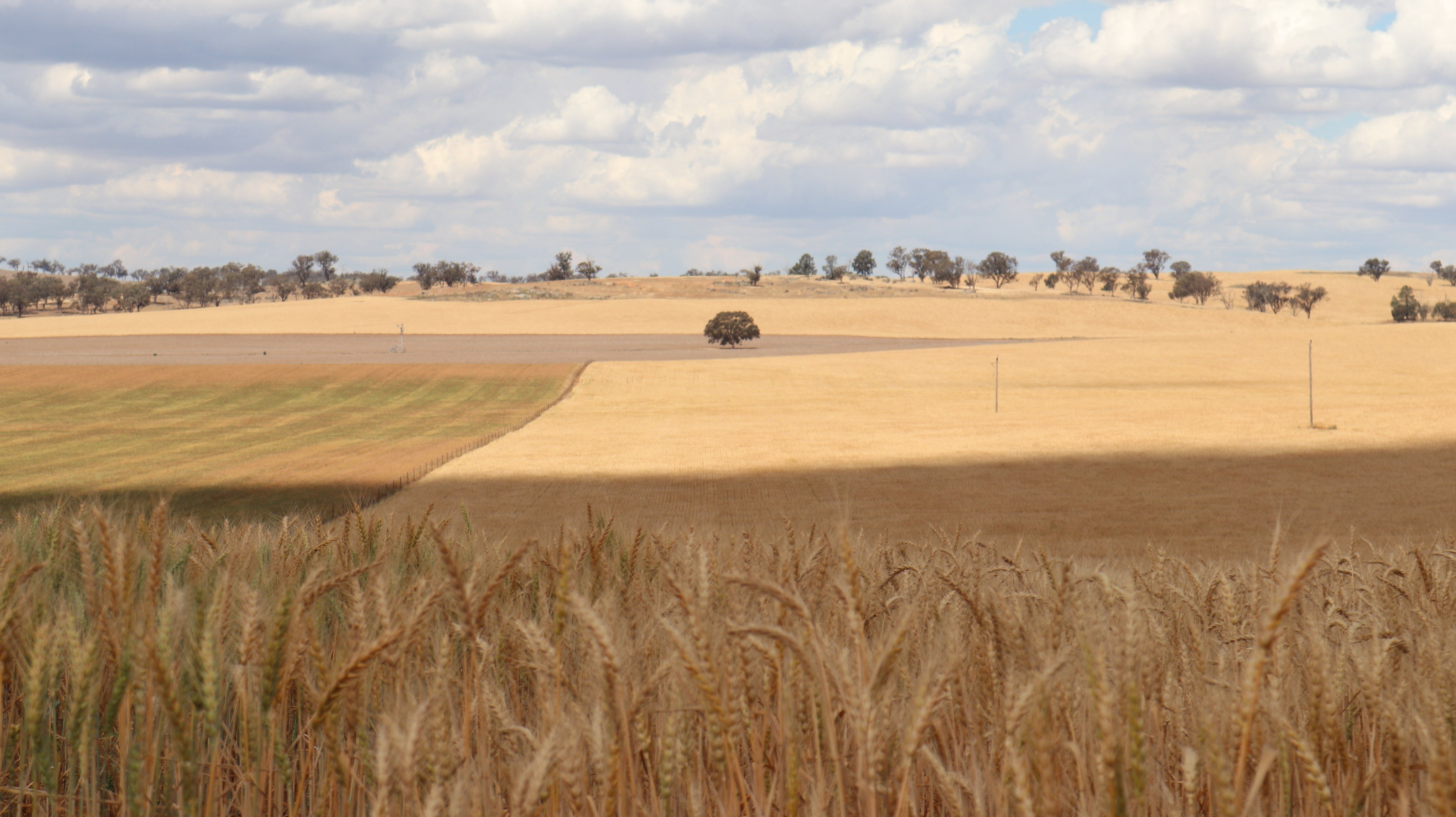 Harvest is starting around Australia, and some are expecting higher yields than previous forecasts. We won’t really know until the lie detectors get into the paddocks though.
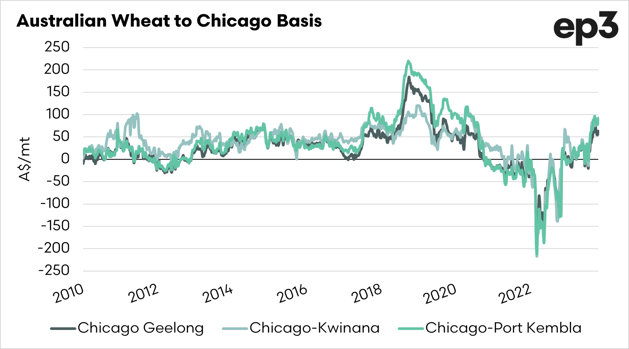 In this chart, we can see that in recent years, we were at a massive discount to Chicago, this being as a result of the huge surplus of wheat – the trade didn’t need to pay up to get what they required.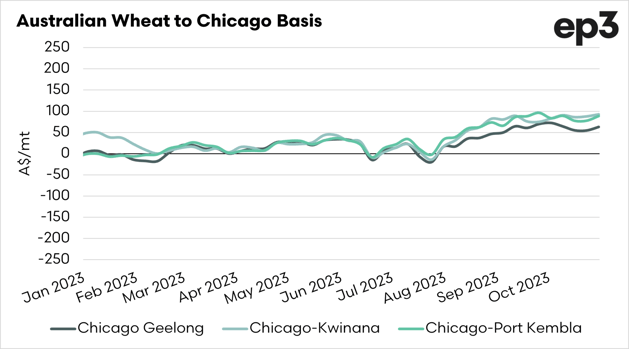
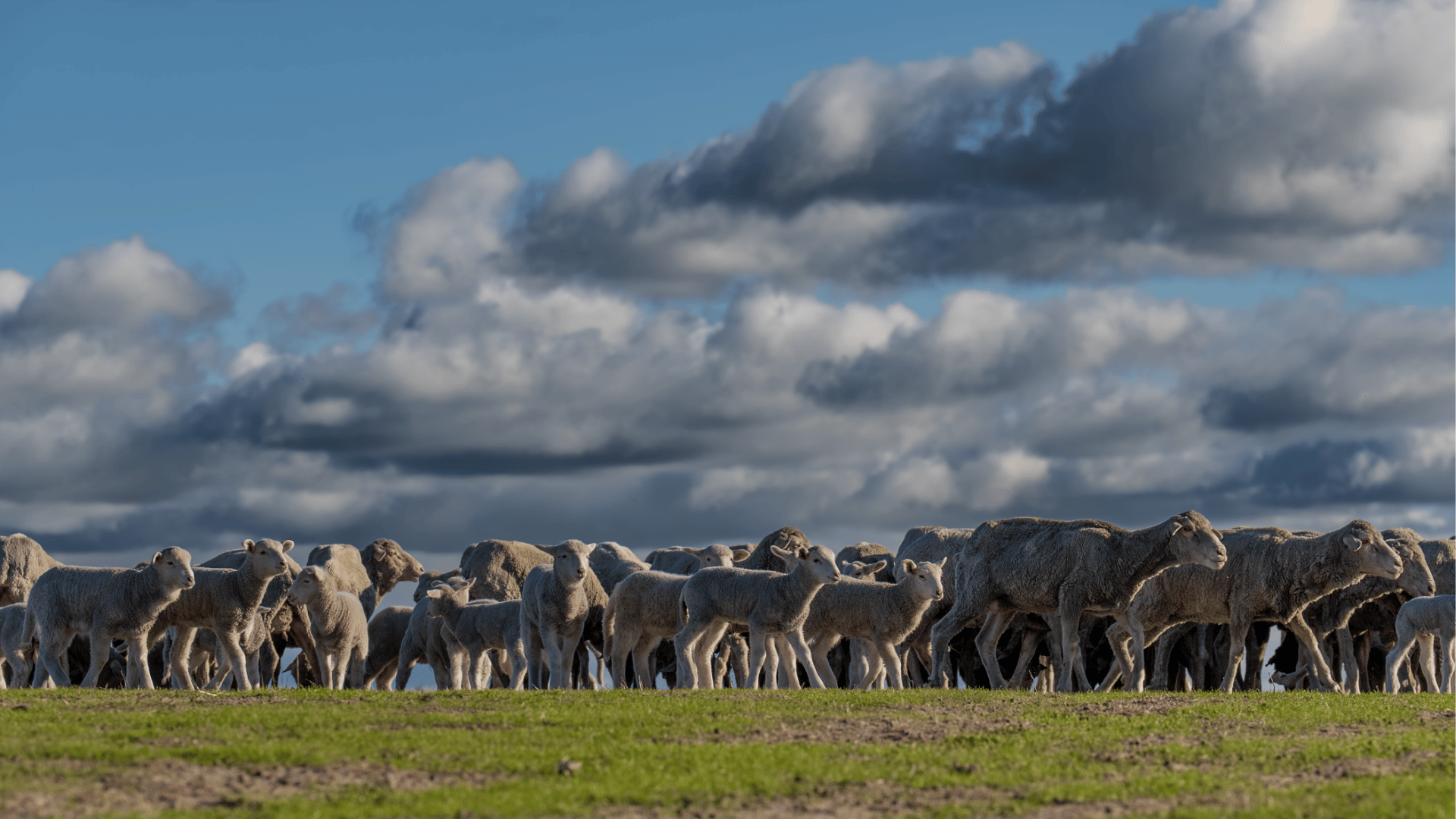
Merino wethers drive record September for new season lambs on AuctionsPlus
 Natasha Lobban: Oct 8, 2026
AuctionsPlus has recorded its biggest September for new season lambs in the past decade, with 218,871 head offered across the month.
 Jamie-Lee Oldfield
 Ripley Atkinson