
11 min read

Mort & Co divests feedlots and Aussie farmland value hits new high

Mort & Co divests feedlots and Aussie farmland value hits new high
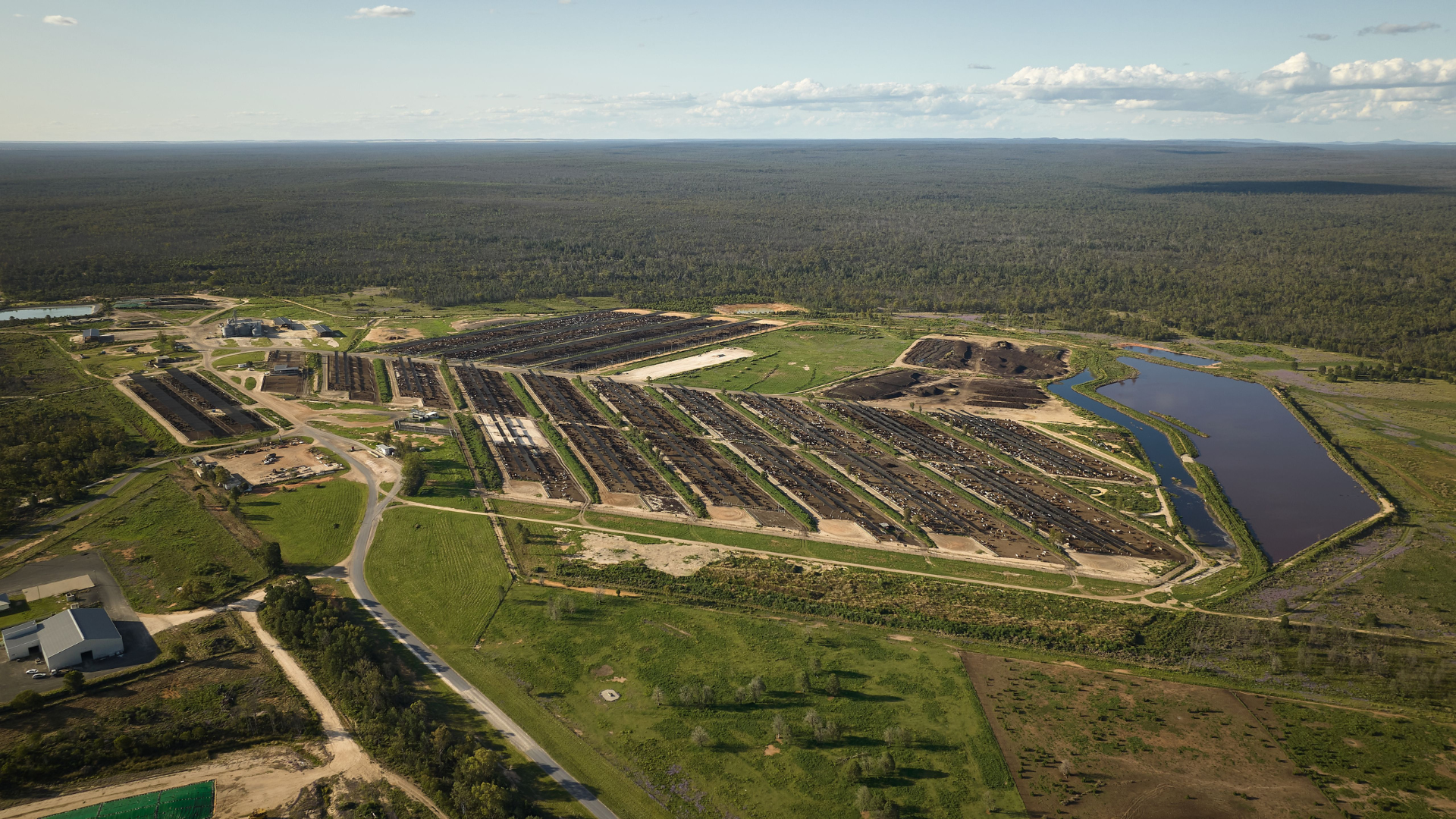
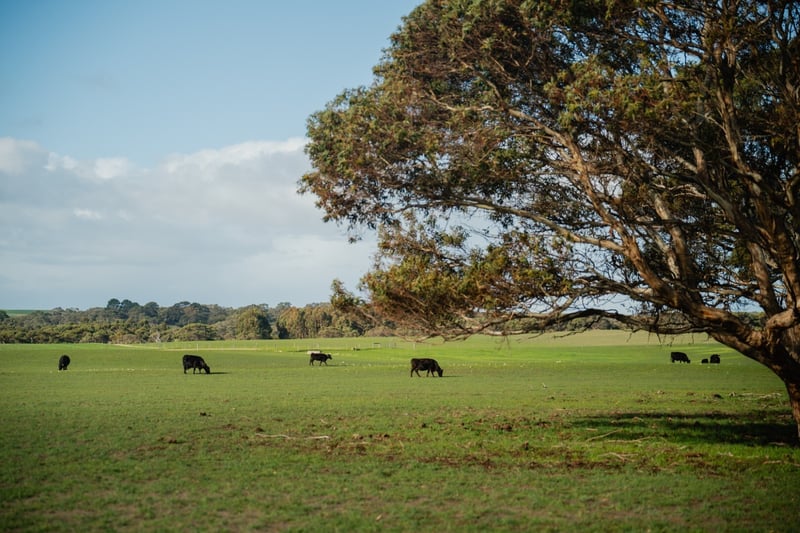
Yarranbrook Feedlot has been divested by Mort & Co. Pic: Supplied

In this week's rural property update: Kylie Dulhunty reports on the sale of two Mort & Co feedlots, the latest farmland values report and movements in the rural property market.

Mort & Co divests $100 million feedlots

Mort & Co has sold two premium Queensland feedlots in transactions estimated to be worth more than $100 million combined, with the company itself now also on the market.

Australia’s largest private cattle feedlot company sold the 882ha Pinegrove Feedlot, located between Millermeran and Cecil Plains on the Darling Downs, and its associated water allocations, earlier this year.

To a separate buyer it also sold the 13,439ha Yarranbrook Feedlot, near Inglewood, which has more than 3000ML of water entitlements.

LAWD Agribusiness agents Jaclyn Hope, Danny Thomas and Tim McKinnon handled the sales.

“Both properties were met with very solid interest,” Mr Thomas said.

“The sector continues to be hot, particularly as players with strong end markets for their product need consistent access to feeding capability.”

Mort & Co listed the feedlots, along with the Gogango Feedlot Development Site, in October last year following a review of its asset base and capital strategy.

“We, as a board and a company, recognise the potential for those three sites and firmly believe the future success of both Yarranbrook and Pinegrove feedlots is in the ability to expand and meet the growing grainfed beef requirements worldwide,” Executive Chairman and Founder Charlie Mort said at the time.

“I believe this new plan will enable the growth at Yarranbrook and Pinegrove that we had hoped for, and for a new feedlot to be built in the heart of cattle country, at Gogango in Central Queensland.”

Mr Thomas said the Gogango Feedlot Development Site was still on the market.

It is a fully-approved 36,500 SCU greenfield project near Rockhampton.

The 1,227ha site includes 1,820ML of medium-security water entitlements on a long-term lease, detailed engineering designs and full environmental and development approvals.

Mort & Co also announced last month that it had listed the privately owned, integrated beef business, in what is expected to be one of the most significant agribusiness transactions of the year.

“The board has decided that the company, at its most successful and highest point, will be best taken to the next level under new ownership – a decision which clearly has not been made lightly,” Mort & Co Chief Executive Officer Stephen O’Brien said.

“It’s almost 30 years since Charlie decided to open his own business and custom feed for graziers – it’s incredible to stand back and look at what has been established in that time.”

Mort & Co now runs a vertically integrated supply chain servicing Australia’s largest feedlot.

That supply chain includes a fleet of 45 prime movers, a cotton seed dehulling and de-oiling plant and five award-winning Angus and Wagyu beef brands which are exported across the globe.

Partnerships with more than 2,000 vendors supply cattle directly to Mort & Co.

“We go to market … as a highly respected Agricultural business – one of the best in Australia, with a reputation for quality and trusted values,” Mr O’Brien said.

“Mort & Co is known as a leader in the industry - built through innovation, courage and resilience – but most importantly through the commitment from our people and our partners.”

LAWD has also been appointed to sell the company.

At the centre of the transaction is the 5,675ha Grassdale Feedlot, a state-of-the-art facility with a fully developed capacity of 70,000 SCU (79,000 head).

The facility runs at about 98 per cent occupancy and turns through more than 170,000 cattle annually.

Operations are supported by 1,546ML of high-security groundwater entitlements, an on-site grain mill, energy generation plant and Australia’s first integrated cottonseed de-hulling and de-oiling plant.

“Mort & Co is not simply a feedlot sale,” Ms Hope said.

“It is a fully corporatised, vertically integrated business with diversified revenue streams, established distribution channels and a deeply experienced management team ready to transition with the business.

“The company’s branded beef division alone contributes more than $150 million in annual sales across five premium Wagyu and Black Angus product lines, with customers spanning North America, Asia, the Middle East and Australia.

“This is a rare opportunity to acquire a turn-key operation that captures margin across the entire supply chain – from procurement and feeding through to branded product distribution.”

Offers for Mort & Co close at 12pm (AEST) on May 28 unless sold prior.

Farmland values hit new high as supply tightens

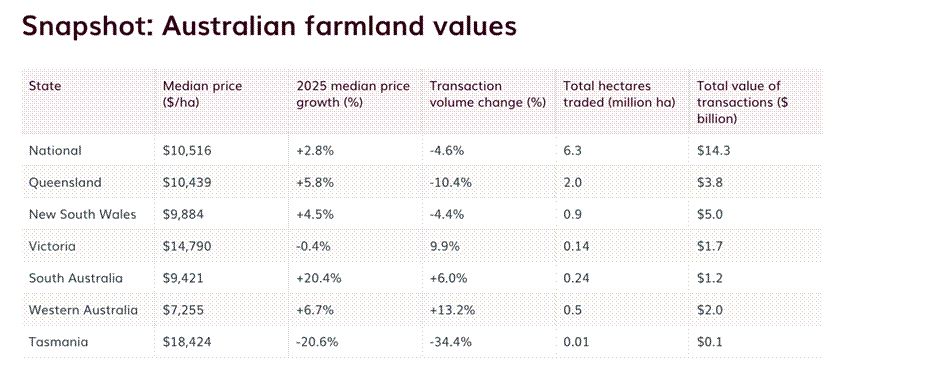
Australia’s farmland market has hit a new high, with the national median price rising 2.8% to a record $10,516/ha in 2025.

However, transaction volumes fell 4.6% to 6.3 million hectares traded, worth $14.3 billion, signalling a clear shift to a more cautious market.

The Bendigo Bank Agribusiness 2026 Australian Farmland Values Report shows the pace of growth has slowed to its weakest level in 12 years, marking a sharp departure from the double-digit gains recorded between 2018 and 2022.

Bendigo Bank Agribusiness Senior Manager Industry Insights Eliza Redfern said the market was entering a more selective phase.

“A subdued start to the year gave way to a more confident market in the second half driven by improved seasonal conditions, three RBA cash rate cuts, and strong livestock prices,” Ms Redfern said.

“However, widespread, uniform growth has fallen, and buyers are now more discerning, prioritising asset quality, water security, and long-term returns.”

The data revealed a highly fragmented national picture, with wide variations in performance across the states.

South Australia led the country, with farmland values surging 20.4% to a median $9,421/ha and transaction volumes rising 6%.

“South Australia boasted notable growth, with prices up more than 20% year-on-year, however this was largely driven by a lift in the volume of sales in several high-value ‘lifestyle’ areas,” Ms Redfern said.

Queensland and NSW posted more moderate gains, with median prices increasing 5.8% and 4.5% respectively, to $10,439/ha in Queensland and $9,884/ha in NSW.

Western Australia also delivered solid growth of 6.7% to $7,255/ha, alongside a 13.2% jump in transaction volumes, underpinned by a focus on scale and selective acquisitions.

In contrast, conditions weakened across south-east Australia.

Victoria recorded a slight decline of 0.4% to $14,790/ha, despite a 9.9% rise in transaction volumes, as dry conditions and cautious sentiment weighed on the market.

“The record-low scarcity of available land in Tasmania created price volatility, with the market falling 20.6% last year,” Ms Redfern said.

Tasmania remained the most volatile market, with median values dropping to $18,424/ha and transaction volumes plunging 34.4%.

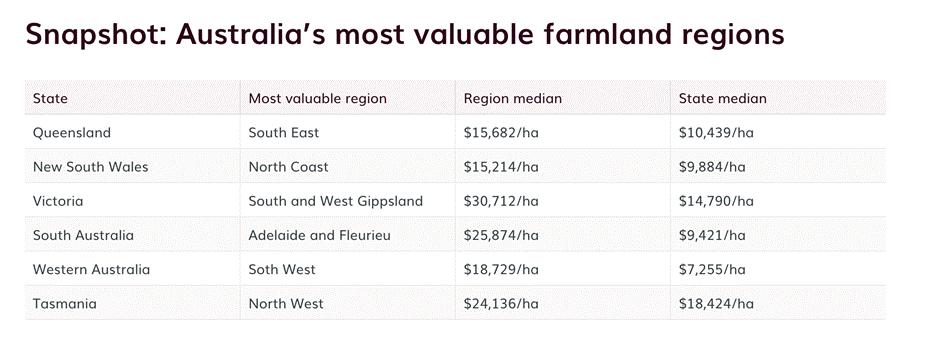
At a regional level, premium farmland continues to command a significant premium. Victoria’s South and West Gippsland ranked as the nation’s most valuable region at $30,712/ha, well above the state median, while South Australia’s Adelaide and Fleurieu ($25,874/ha) and Tasmania’s North West ($24,136/ha) also outperformed.

Looking ahead, Ms Redfern warned conditions are set to tighten further.

“Looking ahead, farmers are facing a more challenging growth environment,” she said.

“A dry seasonal outlook and higher operational costs are putting pressure on margins. With the added prospect of rising interest rates impacting the cost of borrowing, we expect to see continued buyer caution.”

QUEENSLAND

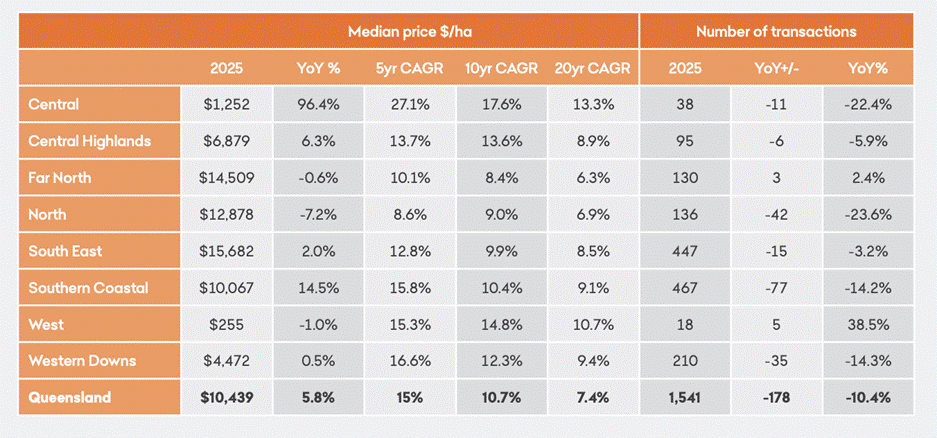
Queensland farmland values rose 5.8% in 2025 to a median $10,439/ha, supported by strong cattle prices, improved seasonal conditions and succession-driven expansion.

However, transaction volumes fell 10.4% to 1,541 sales, the lowest on record, as limited supply continued to underpin values.

Performance varied sharply across the state, with the Central region surging 96.4% on the back of stronger commodity prices and a higher proportion of quality listings, while the Southern Coastal region also performed strongly, up 14.5%.

In contrast, the North (-7.2%) and West (-1%) recorded declines, weighed down by softer sugarcane prices, localised seasonal challenges and reduced buyer demand.

Demand remained firmly skewed towards high-quality and irrigated properties, with lower-grade assets taking longer to transact as buyers became increasingly selective.

“2025 was another strong year for the farmland property market across Queensland with growth seen across most regions. Rallying cattle markets along with multiple interest rate cuts provided better financial positions for buyers,” Bendigo Bank Agribusiness’s Elisha-Vi Barker said.

“In saying that, favourable seasonal conditions also dampened selling appetite, which left transaction volume lower. 2026 is shaping up to be a volatile year, with many eyes looking to the dry weather outlook, rising interest rate expectations and higher input costs for direction on price and sales volume.”

NEW SOUTH WALES

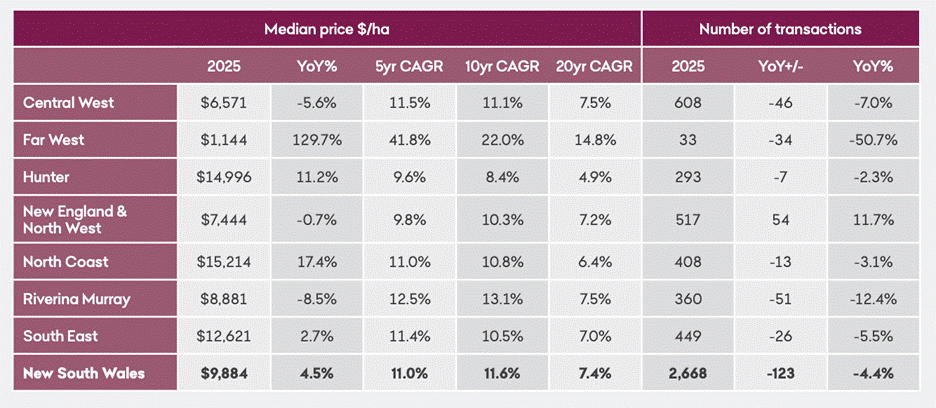
NSW farmland values rose 4.5% in 2025 to $9,884/ha, extending the state’s run to 12 consecutive years of growth, albeit at a slower pace.

Transaction volumes fell 4.4% to 2,668 sales, continuing a downward trend as tighter supply and a mismatch between vendor expectations and buyer sentiment saw properties take longer to sell.

Regional performance was mixed, with the Far West recording a sharp 129.7% rise, albeit on very low volumes, and the North Coast (+17.4%) and Hunter (+11.2%) also posting strong gains.

In contrast, Riverina Murray (-8.5%) and Central West (-5.6 per cent) declined, reflecting weaker seasonal conditions and softer buyer sentiment in those regions.

Growth was underpinned by stronger livestock markets and favourable conditions across northern regions, while western districts faced more subdued demand.

“We’re starting to see something of a split in the farmland market in NSW,” Bendigo Bank Agribusiness’s Craig Rosenbaum said.

“Producers in the central and northern cropping regions have benefited from two strong seasons, positioning them well for expansion, although land availability remains tight, while less favourable conditions in the southern regions have hampered growth.

“In the livestock sector, lamb and cattle markets improved in 2025… however, rising input costs, particularly fuel and fertiliser, coupled with supply chain disruptions, continue to present major challenges for the industry in the short-to-medium term.”

VICTORIA

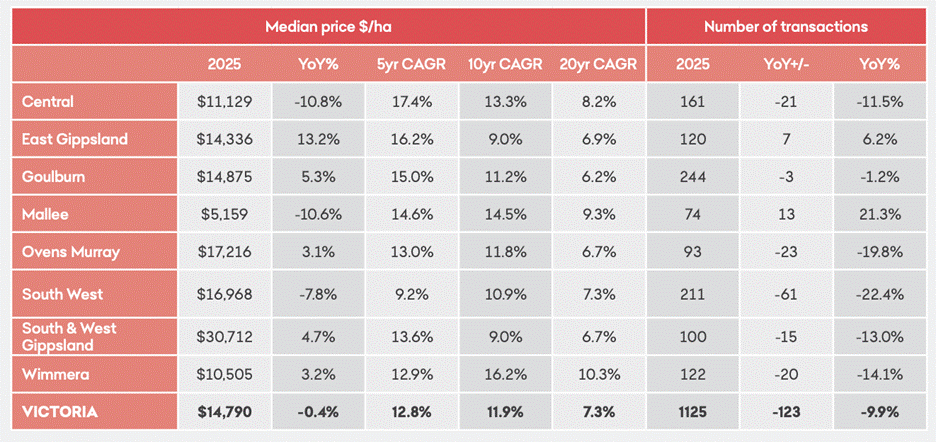
Victoria’s farmland market remained subdued in 2025, with values slipping 0.4% to a median $14,790/ha as dry conditions and cautious buyer sentiment weighed on growth.

Despite the flat pricing, transaction volumes rose 9.9 per cent, indicating improved activity levels even as buyers remained selective.

Performance varied across regions, with premium areas such as South and West Gippsland continuing to command strong prices due to lifestyle demand and high-quality assets, while drier cropping regions struggled under seasonal pressure and rising production costs.

The market has effectively plateaued since 2023 following a period of strong growth, with margin pressures and higher interest rates limiting expansion activity.

Dry seasonal conditions across key agricultural zones reduced profitability, dampening confidence and slowing price momentum.

“Victorian regions have been weather impacted in different ways,” Bendigo Bank Agribusiness’ Wayne Saunders said.

“Seasonal variability has weighed on prices and demand is commodity driven; demand for broadacre has been good where sentiment is largely positive, but horticulture has been very low.

“Across Sunraysia, we’re seeing more horticulture properties on the market due to industry exits.”

Looking ahead, while Victoria had been positioned for a return to growth, rising costs and a tightening rate environment are expected to keep conditions constrained in 2026.

SOUTH AUSTRALIA

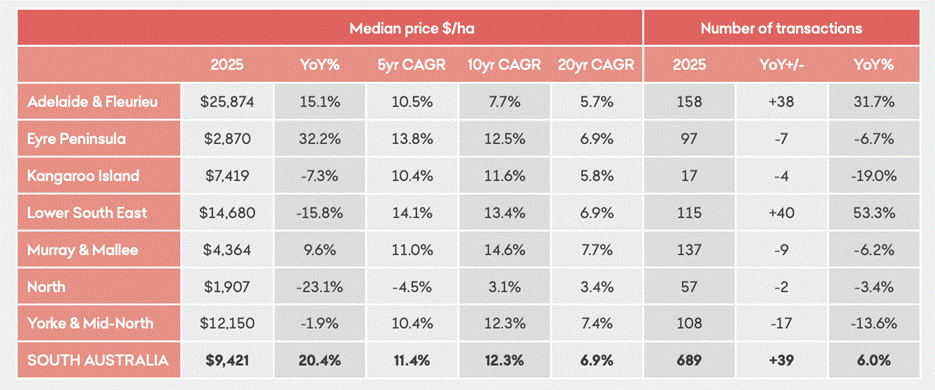
South Australia recorded the strongest state-level growth in 2025, with the median farmland price rising 20.4 per cent to $9,421/ha, while transaction volumes increased 6% to 689 sales.

However, the headline result was partly skewed by a higher share of transactions in the premium Adelaide and Fleurieu region, where values reached $25,874/ha and sales rose 31.7%.

The Eyre Peninsula also performed strongly, up 32.2% to $2,870/ha, while Murray and Mallee rose 9.6% to $4,364/ha.

But conditions were weaker across several regions, with the North down 23.1%, Lower South East down 15.8%, Kangaroo Island down 7.3% and Yorke and Mid-North down 1.9%, reflecting drought pressure, tight margins and subdued demand in traditional farming areas.

“South Australia’s farmland market was mixed across 2025 as a challenging first half of the year was followed by a notable improvement in market conditions,” Bendigo Bank Agribusiness’s Neil Verringer said.

“Much needed rainfall through winter alongside several rate cuts provided a tangible, albeit limited improvement to demand as farmers looked to consolidate their positions amidst tight margins and high debt levels.

“Rising interest rates combined with higher operating costs and mixed availability of required inputs are likely to further restrict growth in 2026, particularly across marginal areas.”

WESTERN AUSTRALIA

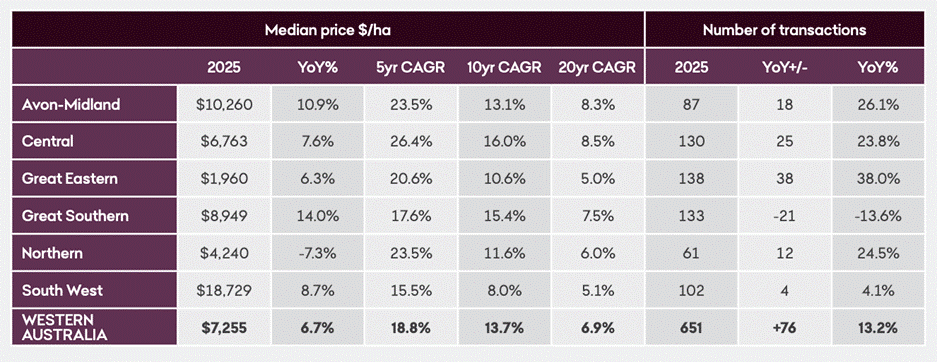
Western Australia farmland values rose 6.7% in 2025 to $7,255/ha, while transaction volumes increased 13.2% to 651 sales.

The Great Southern was the strongest-performing region, up 14% to $8,949/ha, followed by Avon-Midland, which rose 10.9% cent to $10,260/ha, and the South West, up 8.7% to $18,729/ha.

The Central region also lifted 7.6% to $6,763/ha and Great Eastern rose 6.3% to $1,960/ha, supported by increased activity and demand for larger parcels in lower-cost regions.

The Northern region was the only region to decline, falling 7.3% to $4,240/ha, as buyer demand became more selective and quality played a greater role in pricing outcomes.

“Farmland values in Western Australia continued to lift in 2025, with growth moderating and transaction activity shifting toward larger parcels in lower-cost regions,” Bendigo Bank Agribusiness’s Jakeb Horn said.

“Pricing outcomes were increasingly tied to property quality, while buyer demand remained measured throughout the year.

“Into 2026, the market is expected to remain steady, with selective demand and limited supply continuing to support prices.”

TASMANIA

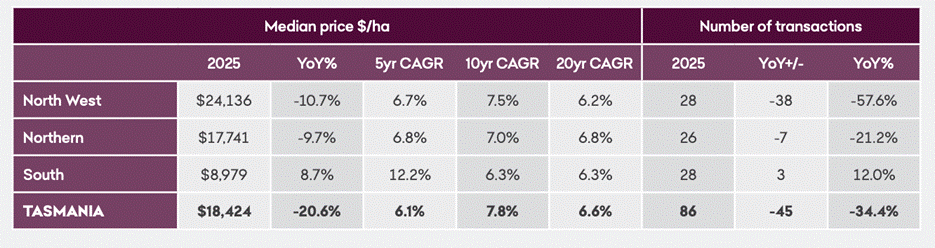
Tasmania recorded the sharpest decline in farmland values in 2025, with the median price falling 20.6% to $18,424/ha, while transaction volumes dropped 34.4% to just 86 sales.

The South was the only region to record growth, rising 8.7% to $8,979/ha, supported by demand for smaller lifestyle and agricultural properties near Hobart and Launceston.

The North West remained the state’s highest-value region at $24,136/ha, but fell 10.7%, while the Northern region declined 9.7% to $17,741/ha.

Weakness was driven by dry conditions, rising input costs, cautious buyers and vendors holding out for peak prices rather than discounting.

“A slowdown challenged the Tasmanian farmland market across 2025,” Bendigo Bank Agribusiness’s Simon Roote said.

“While properties near major centres saw increased demand, the broader agricultural sector experienced a correction, with transaction numbers falling by over a third and prices returning to circa 2022 levels.

“Buyer confidence was impacted by rising input costs and dry conditions while sellers chased the high prices of previous years.

“The outlook for 2026 is clouded with uncertainty as planned shutdowns of key irrigation schemes during the critical spring planting window, coupled with the forecast of further dry conditions, interest rate hikes, and soaring input costs creates concern for farmers and investors alike.”

Upper South East grazing heavyweight Barn Hill hits market with mid-$6m guide

Barn Hill_Colliers 2

Size: 1,210ha

Location: Meningie East, SA

Sale method: EOI

Price guide: Mid-$6 millions

A large-scale grazing and fodder production holding in South Australia’s tightly held Upper South East has been listed for sale, with the 1,210ha Barn Hill aggregation near Meningie East expected to attract strong buyer interest at a price guide in the mid $6 millions.

Offered via an expressions of interest campaign, the property presents as a turnkey livestock operation suited to both established producers and investors seeking a scalable agribusiness opportunity.

Positioned at 565 Gordon Rd, Meningie East, the holding comprises about 760ha of arable land, alongside productive timbered grazing country and remnant vegetation.

The gently undulating landscape supports a mix of cattle breeding and finishing, sheep production and fodder or forage cropping, underpinned by reliable average annual rainfall of about 466mm.

Secure underground water sources and a comprehensive reticulated system service the property, while significant capital investment has been directed towards laneways, fencing, cattle handling facilities, shedding and water infrastructure to support efficient day-to-day operations.

Colliers associate director of agribusiness Nick Goode said the offering was becoming increasingly rare in the region.

“Barn Hill is a genuine, ready-to-run grazing enterprise with scale, solid infrastructure and secure water, all of which are becoming increasingly difficult to secure in this region,” Mr Goode said.

He noted the property had been conservatively managed, creating potential upside for incoming buyers.

“The property has been conservatively managed, which presents incoming purchasers with clear upside through stocking rate optimisation and enterprise mix, subject to seasonal conditions. It’s a well-balanced asset with the fundamentals buyers are actively seeking,” he said.

Colliers National Director of Agribusiness Jesse Manuel said the broader region continued to perform strongly.

“The Upper South East of South Australia continues to demonstrate strong agricultural fundamentals, underpinned by reliable rainfall, diverse production capability and excellent access to livestock markets, feedlots and grain receival sites,” Mr Manuel said.

“Barn Hill’s proximity to Meningie, Coonalpyn and established saleyards makes it particularly attractive, and we’re seeing ongoing depth of enquiry for high-quality grazing assets in this market.”

The property also includes a renovated three-bedroom, two-bathroom stone homestead set on an elevated position, offering expansive views across the holding.

Improvements include a new Colourbond roof, upgraded insulation, solar power and modern internal finishes.

Barn Hill is located about 34km east of Meningie, 30km west of Coonalpyn and roughly 156km from Adelaide, providing access to regional service centres, transport routes and key agricultural infrastructure including saleyards at Keith and Naracoorte, and grain facilities at Tintinara and Coonalpyn.

Roma neighbours secure Woonoona in eight-figure post-auction deal

_Woonoona

Size: 4040ha

Location: Roma, QLD

Sale price: More than $15 million

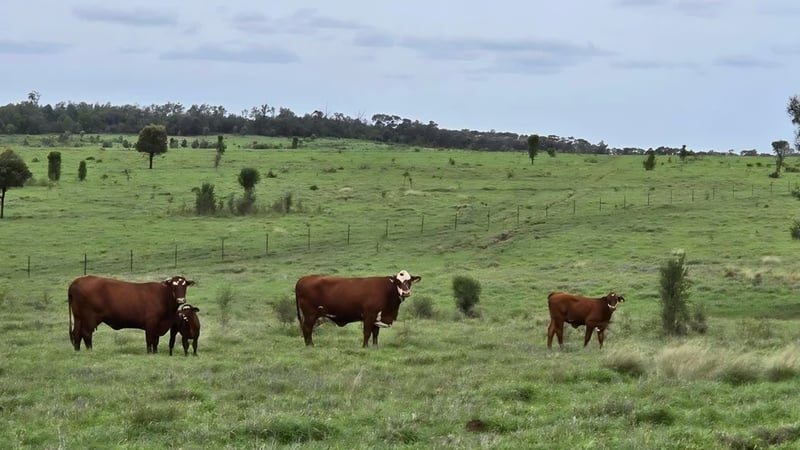
A large-scale southwest Queensland cattle property has changed hands in an eight-figure deal following a competitive auction campaign, with the 4040ha Woonoona sold to neighbouring producers.

The Bymount district holding, located about 75km north of Roma, was acquired by Paul and Kellie Christensen of Pinnacle, who operate Pinnacle Wagyu alongside a stockhorse enterprise.

The purchase strengthens the family’s existing footprint in the region.

Woonoona was offered to the market via a public TopX auction and was initially passed in at $15.5 million.

Subsequent negotiations resulted in a sale shortly after the auction, with the final price understood to exceed the passed-in figure.

The property was brought to market earlier this year by vendors Gordon and Sally West as part of a broader consolidation of their agricultural holdings, ending a decade-long period of ownership.

It was sold as a bare asset.

Woonoona is regarded as a well-developed cattle operation, historically carrying around 1200 backgrounder cattle.

The country features a mix of brigalow, belah and bottle tree landscapes, supported by areas of softwood scrub and a diverse pasture base.

Extensive improvements have been made in recent years, including a five-barb laneway connecting to a centrally located set of steel cattle yards.

The yards have a 500-head handling capacity and are equipped with a crush, calf cradle, dump ramp and a six-way overhead pound.


Kylie Dulhunty is a journalist with more than 20 years experience covering everything from court to health. Today, Kylie loves nothing more than turning market trends, industry insights and epic property sales - residential, rural and commercial - into captivating stories.


Mort & Co divests feedlots and Aussie farmland value hits new high

Mort & Co divests feedlots and Aussie farmland value hits new high

In this week's rural property update: Kylie Dulhunty reports on the sale of two Mort & Co feedlots, the latest farmland values report and...

Read More >
$12 million Barcaldine sale sets new price benchmark

$12 million Barcaldine sale sets new price benchmark

In this week's rural property update: Kylie Dulhunty looks at what's sold and what's hit the market in rural property.

Read More >
Mount Freeling Station hits market with scale, upgrades and tourism upside

Mount Freeling Station hits market with scale, upgrades and tourism upside

In this week's rural property update: Kylie Dulhunty looks at the latest moves in the rural property market.

Read More >