
War in Iran hits rural property market confidence
Tensions in the Middle East are beginning to ripple through Australia’s rural property market, with agents reporting a noticeable shift in buyer...
Tensions in the Middle East are beginning to ripple through Australia’s rural property market, with agents reporting a noticeable shift in buyer behaviour as conflict-driven cost pressures collide with stretched farm economics.
What had been shaping as a more confident start to the year has quickly been tempered by global uncertainty, with the war in Iran impacting key inputs such as fuel and fertiliser and forcing buyers to reassess their next move.
Elders General Manager of Farmland Agency and Water Mark Barber said the market had been building momentum before geopolitical tensions escalated.
“Up until the war in Iran, we were seeing a return of confidence and the market was looking a bit stronger,” he said.
“ We had some good listings coming out of summer and there was quite a bit of activity. There still is some activity but the issues with fuel and fertiliser are causing buyers to pause and think, ‘I need to make sure I can get through whatever this throws at me before I start committing to anything else.’”
The result is a market that is still active, but slower and more deliberate, particularly for broadacre cropping assets where input costs are critical.
Mr Barber said buyers were approaching cropping assets more hesitantly than they were at the start of the year.
“They're just saying, ‘What are the short-term cash flow implications for me? Am I going to get a crop in? Am I going to maximise the yield potential if I can’t get Urea or it’s not economical to put it on.’”
Colliers Head of Agribusiness, Transaction Services Rawdon Briggs said market conditions were far from uniform, noting a growing divide between asset classes.
“It depends on which sector you are talking about,” he said.
“Those horticultural sectors that are high labour, high input, cost-driven, are more challenged than the horticultural sectors that are more mechanically delivered with less labour.”
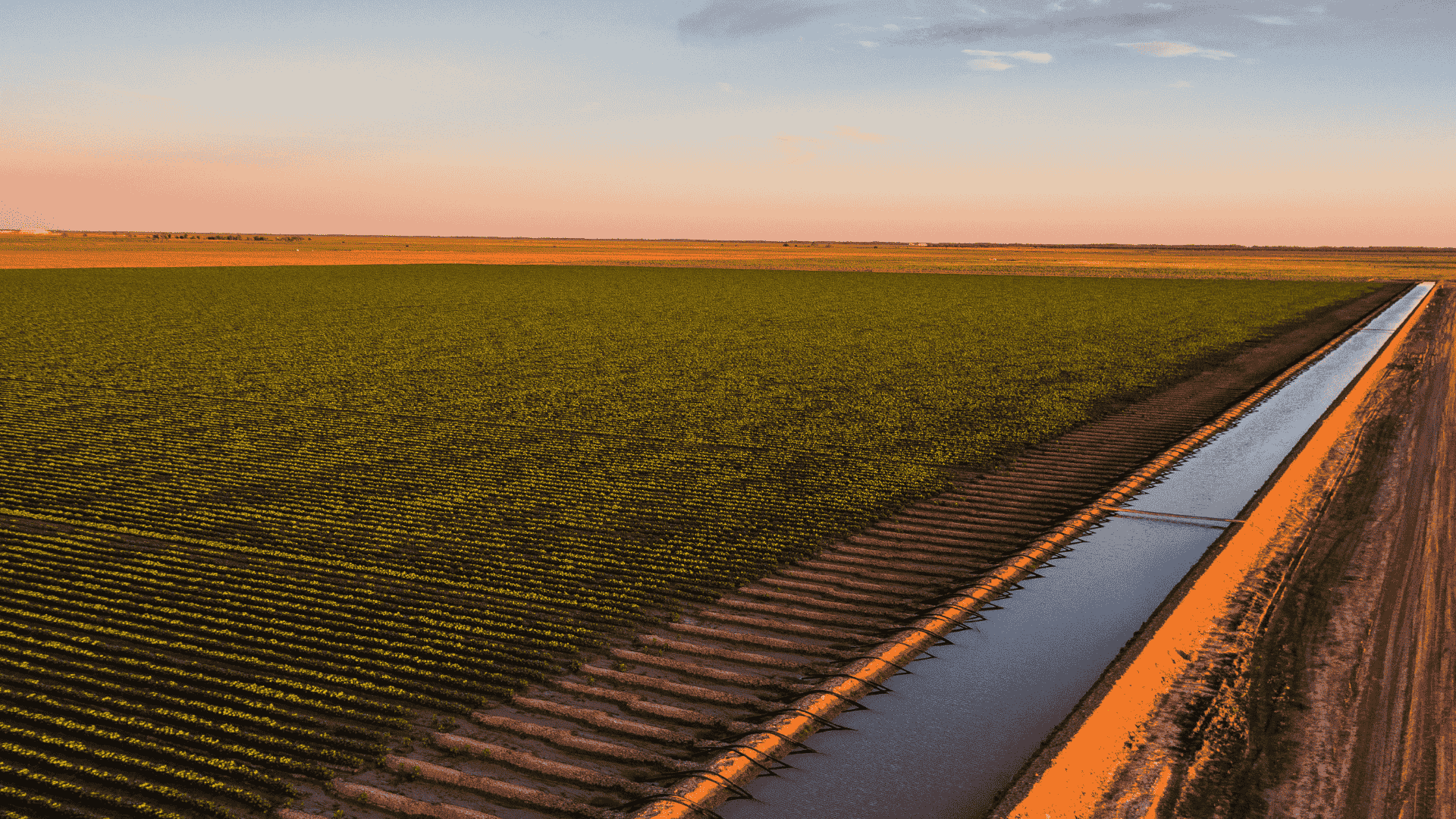
Row cropping, in particular, is emerging as the most exposed, with fertiliser costs and availability now a constraint.
“The sector that's gonna be more initially and dramatically affected is row cropping because of the availability or the lack of availability of fertiliser,” Mr Briggs said.
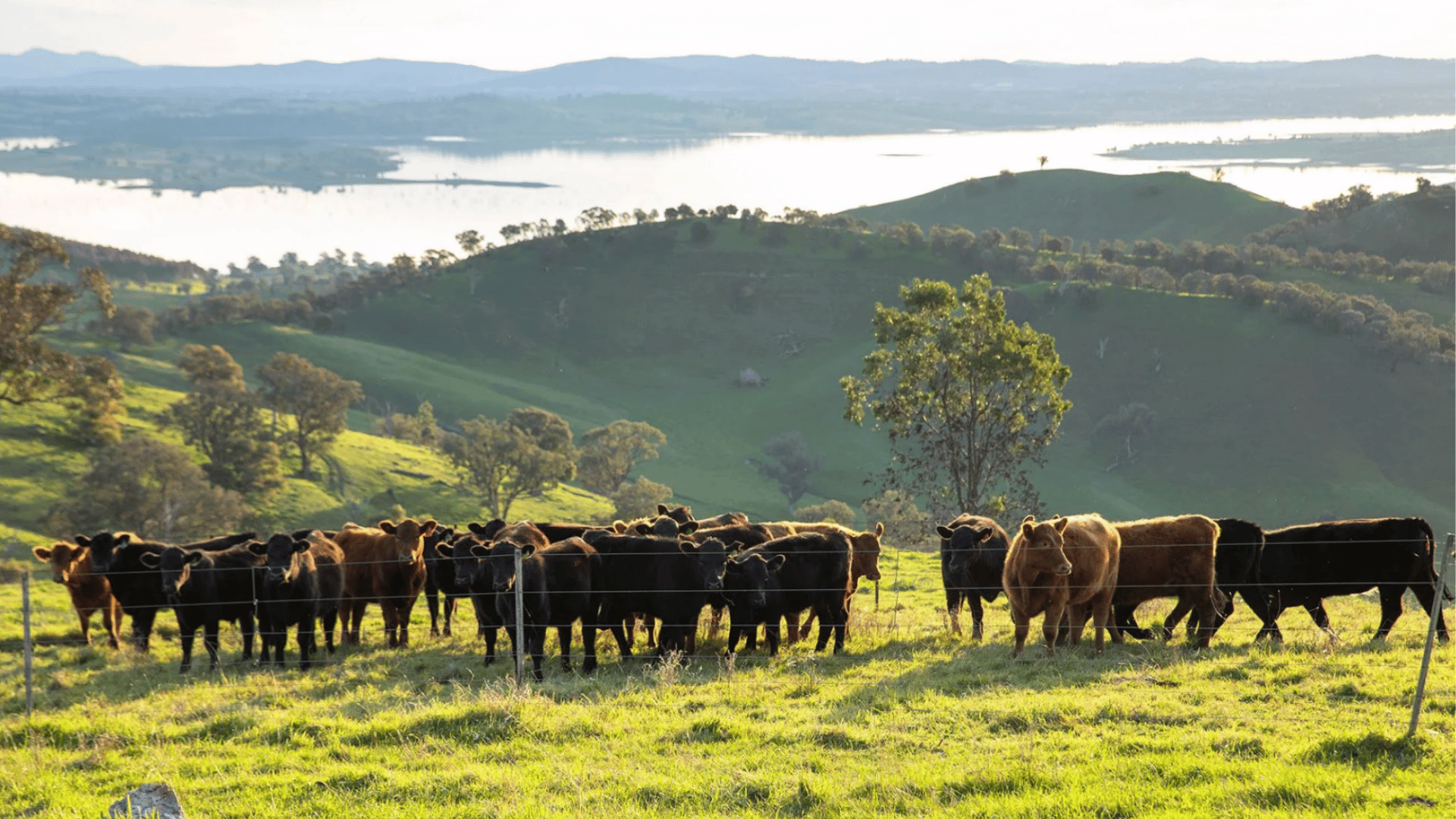
“ Those less intensive livestock operations, and organic operations, will be the least affected.”
With narrow planting windows, delays in securing inputs could have immediate consequences.
“If they haven't secured their fertiliser in the next couple weeks, they could miss their planting windows,” Mr Briggs said.
As a result, many producers are already adjusting their strategies.
“There'll be a few people in the industry that will decide not to do things and reduce and throttle their operations,” he said.
“Throttle being pick the highest probability of making profit out of certain fields and choose not to plant, or change enterprise mix, to adapt to the cost of production issues.”
However, both Mr Barber and Mr Briggs said that while buyer confidence had stalled, there were still transactions happening when the fundamentals stacked up.
“I don't think there's an absence of buyers,” Mr Briggs said.
“I still think there's still people making decisions. Those industries that have got a little bit of profitability are still transacting.”
Mr Barber said on the seller side of the equation the war had not triggered any widespread distress or forced sales.
“No, I'm not seeing any sort of distress or anything like that,” he said.
However, Herron Todd White Director Graeme Whyte said in HTW’s latest Month in Review that rising production costs had been steadily eroding margins over the past 12 to 18 months, leaving many producers with less financial flexibility.
Higher labour and input costs have reduced both free cash flow and debt servicing capacity, creating a more challenging operating environment, particularly for capital-intensive enterprises.
That pressure is now being reflected in listing volumes, with a growing number of large-scale horticultural assets coming to market across sectors such as citrus, almonds and table grapes.
Many of these properties have remained unsold for extended periods, as buyers take a more cautious approach and push harder on price and terms.
The gap between premium and secondary assets is also widening, with lower-quality properties facing sharper price corrections and, in some cases, distressed sales conditions.
According to Mr Whyte, this divergence is typical of softer market cycles, where confidence wanes and buyers become increasingly selective.
“We are aware of several distressed assets currently being marketed across several horticultural sectors,” Mr Whyte said.
“There is a risk that the inevitably reduced sale prices these properties will achieve will have a flow-on effect to values more broadly.”
Kylie Dulhunty is a journalist with more than 20 years experience covering everything from court to health. Today, Kylie loves nothing more than turning market trends, industry insights and epic property sales - residential, rural and commercial - into captivating stories.
Posts By Tag
Tensions in the Middle East are beginning to ripple through Australia’s rural property market, with agents reporting a noticeable shift in buyer...
In this week's rural property update: Kylie Dulhunty unveils an iconic cattle station for sale, Riverina farming asset changes hands, pastoral...
In this week's rural property update: $18m Southern Tablelands sale, Cobar properties up for online auction and harvest and land values fall out...