
2 min read

How algae are tackling agriculture’s wastewater challenge

How algae are tackling agriculture’s wastewater challenge

EvokeAg  AgriFutures Australia - George Gleeson Pic: Supplied

How algae are tackling agriculture’s wastewater challenge
4:47

Like a lot of local authorities, Canterbury-Bankstown Council faced a seasonal problem – algae blooms that contaminated public waterways and triggered complaints from the public.

But late last year, during a six-month pilot, one of the Council’s waterways at Wiley Park saw the volume of blue-green algae drastically reduced thanks to a new modular treatment system that uses algae to break down the contaminants in wastewater.

It’s a system that could also point the way forward for dairies, meat processors and food manufacturers faced with rising costs and increasingly rigorous regulations around wastewater treatment.

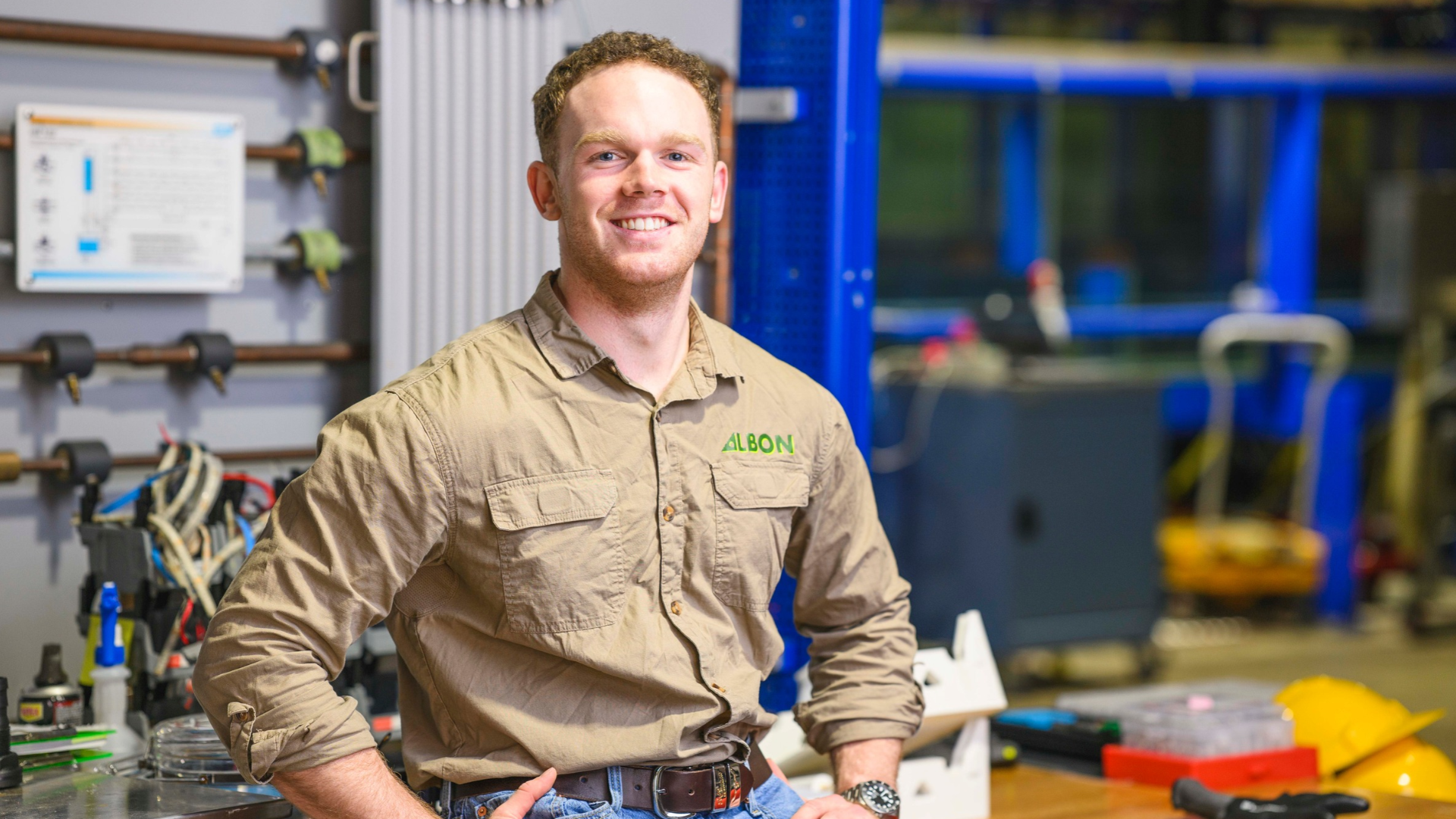
Developed by a team of PhD students and researchers at the University of Sydney who are experts in aquaculture, environmental science and engineering, ALBON is an algae-bacteria wastewater system that helps agri-food facilities reduce chemical, energy and sludge disposal costs.

At the same time, the system converts waste streams into nutrient-rich biochar.

Tom Bessell and fellow ALBON Co-Founder, John Phipps, began developing algae-based systems in late 2023. They both realised the potential of algae to solve a range of environmental issues but found a specific focus after a family member on the board of a large abattoir in WA told Mr Bessell about the huge challenges of wastewater treatment.

“We did further research and found it’s a major problem for meat and dairy processors, poultry facilities and many other agrifood facilities across Australia. We’ve talked to more than 50 meat, poultry and dairy facilities across Australia and New Zealand and almost all of them have problems with wastewater processing,” Mr Bessell, Co-Founder and Executive Director of ALBON, said.

Essentially, the challenges are three-fold.

Tightening EPA limits mean facilities are having to upgrade treatment infrastructure which is complex and expensive.

Secondly, the sludge left at the end of the treatment process may have to be trucked offsite – another cost. However, that nutrient-rich sludge is full of nitrogen and phosphorus which could be returned to soil as biochar.

The third challenge is the expense of the chemicals and energy needed to treat wastewater. However, the ALBON system could reduce wastewater treatment running costs by 50% and cost 50% less to install than a conventional treatment upgrade.

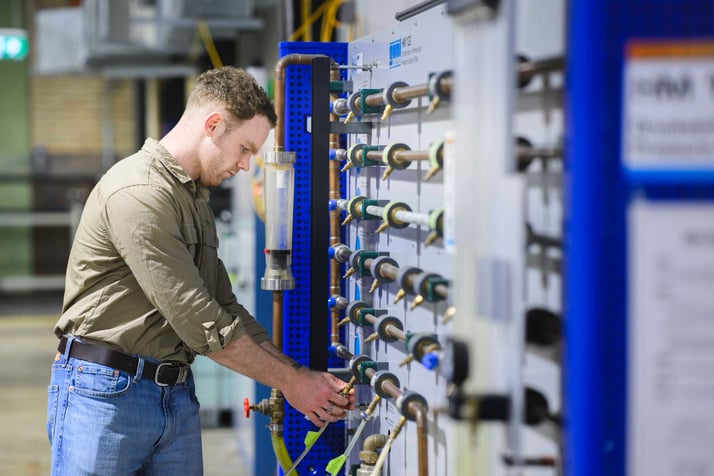
ALBON consists of a photobioreactor – a membrane-based system that grows algae and bacteria and harnesses natural sunlight to allow algae to flourish. As wastewater flows into the system, the algae and bacteria absorb nitrogen and phosphorus from the water – between 95% and 99% has been removed in lab testing.

The processed water is then suitable for re-use on site, or can be discharged within regulatory limits. Meanwhile, the algae biomass is harvested, combined with the sludge waste, processed in a kiln and converted into rich biochar fertiliser to be reused by the facility or sold to farms.


Tom Bessel - Groundbreaker shoot (58)

Importantly, ALBON’s system can be retrofitted to existing sites, drawing high-strength effluent from an existing lagoon or primary treatment stage into the ALBON photobioreactor.

“We’re currently building a machine learning algorithm to take management of the system almost entirely off the operator’s plate. Because growing algae and dealing with algae biomass is the last thing someone wants to do when their focus is on processing red meat,” Mr Bessell said.

ALBON is about to launch a paid 18-month pilot with Corstorphine Farm, a dairy operation owned by the University of Sydney. Next year, Mr Bessell wants to find trial partners in the red meat and poultry sectors.

Meanwhile ALBON is attracting interest and investment from across the agriculture industry and from organisations keen to recognise agrifood innovations and new technology. ALBON’s innovation won the Sky Zero Prize at the 2026 Cleantech Challenge hosted by London Business School and was runner-up at the prestigious MIT Climate and Energy Prize.

In February 2026, ALBON featured in the AgriFutures evokeAG. Startup Alley in Melbourne, and Mr Bessell was recently named an evokeAG. 2027 Groundbreaker.

“EvokeAG. was a great opportunity to talk to big facilities that we wouldn’t have otherwise reached. We had some useful conversations and it was a great launchpad into the ag scene in Australia,” Mr Bessell said.

“As a Groundbreaker, an opportunity to talk to mentors will be very valuable. I connected with some interesting people at evokeAG. and I’m looking forward to building on that.”

How algae are tackling agriculture’s wastewater challenge

How algae are tackling agriculture’s wastewater challenge

Like a lot of local authorities, Canterbury-Bankstown Council faced a seasonal problem – algae blooms that contaminated public waterways and...
Read More >
The case for covering a feedlot from day one

The case for covering a feedlot from day one

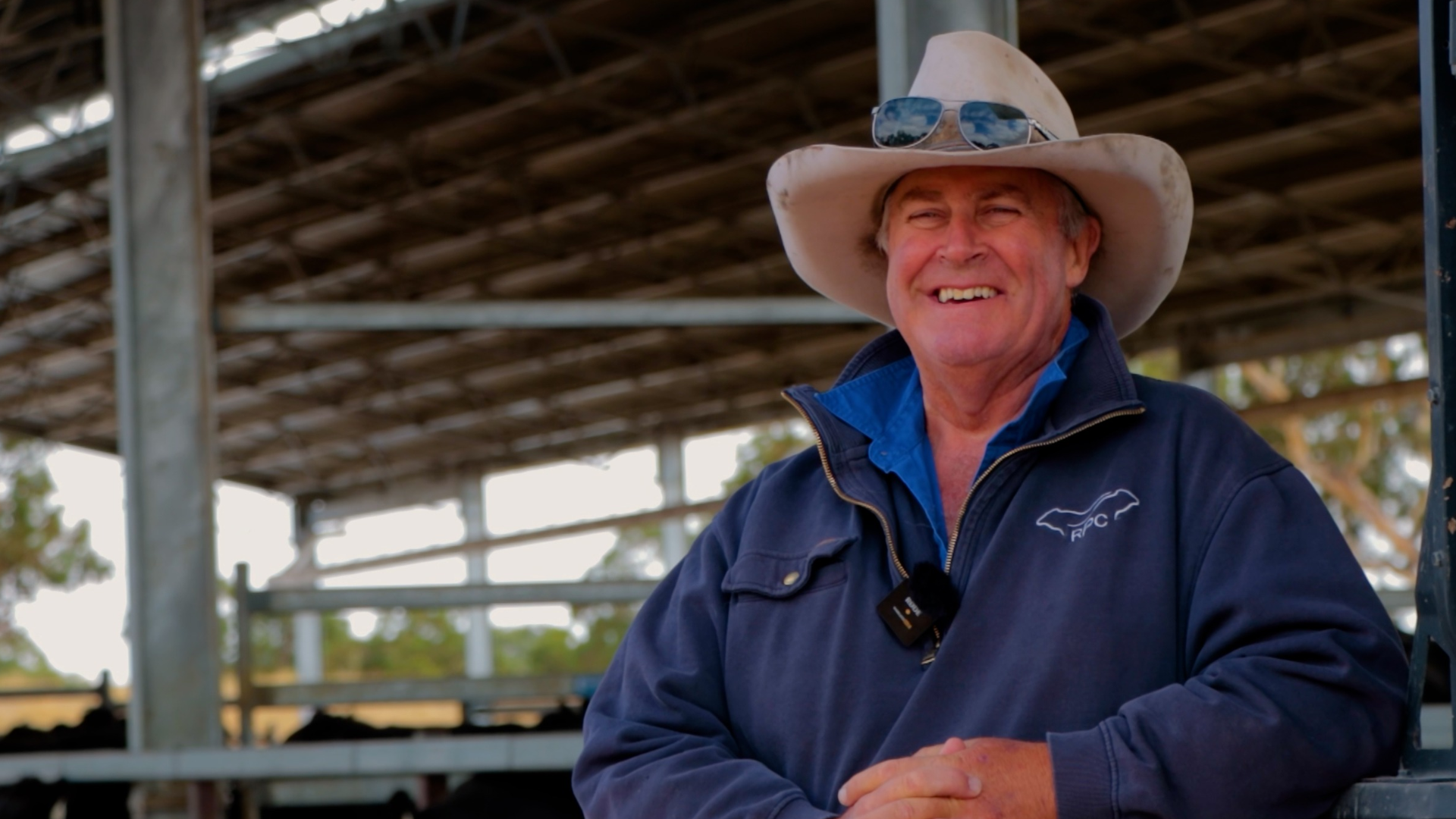
When Anthony Allen moved cattle onto his new feedlot site, he had already made a decision many producers leave for another day, and built a shed over...

Read More >
New tech innovation boosts feedlot safety and efficiency

New tech innovation boosts feedlot safety and efficiency

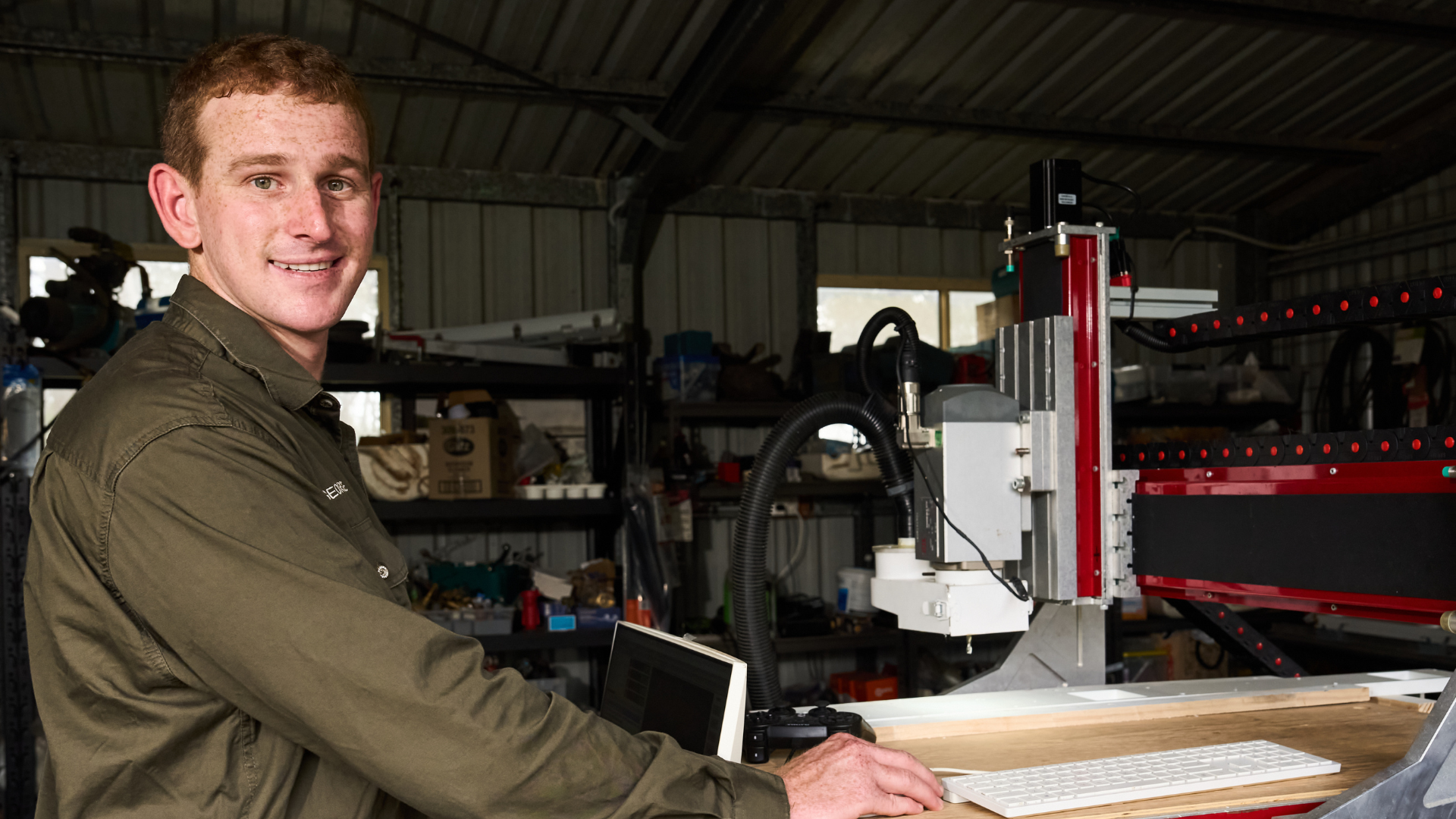
George Gleeson’s family have been running cattle feedlots in Darling Downs for generations, so the engineer understands the day-to-day complexities...

Read More >