2025: Record lamb prices and ‘tight supply’
2:30

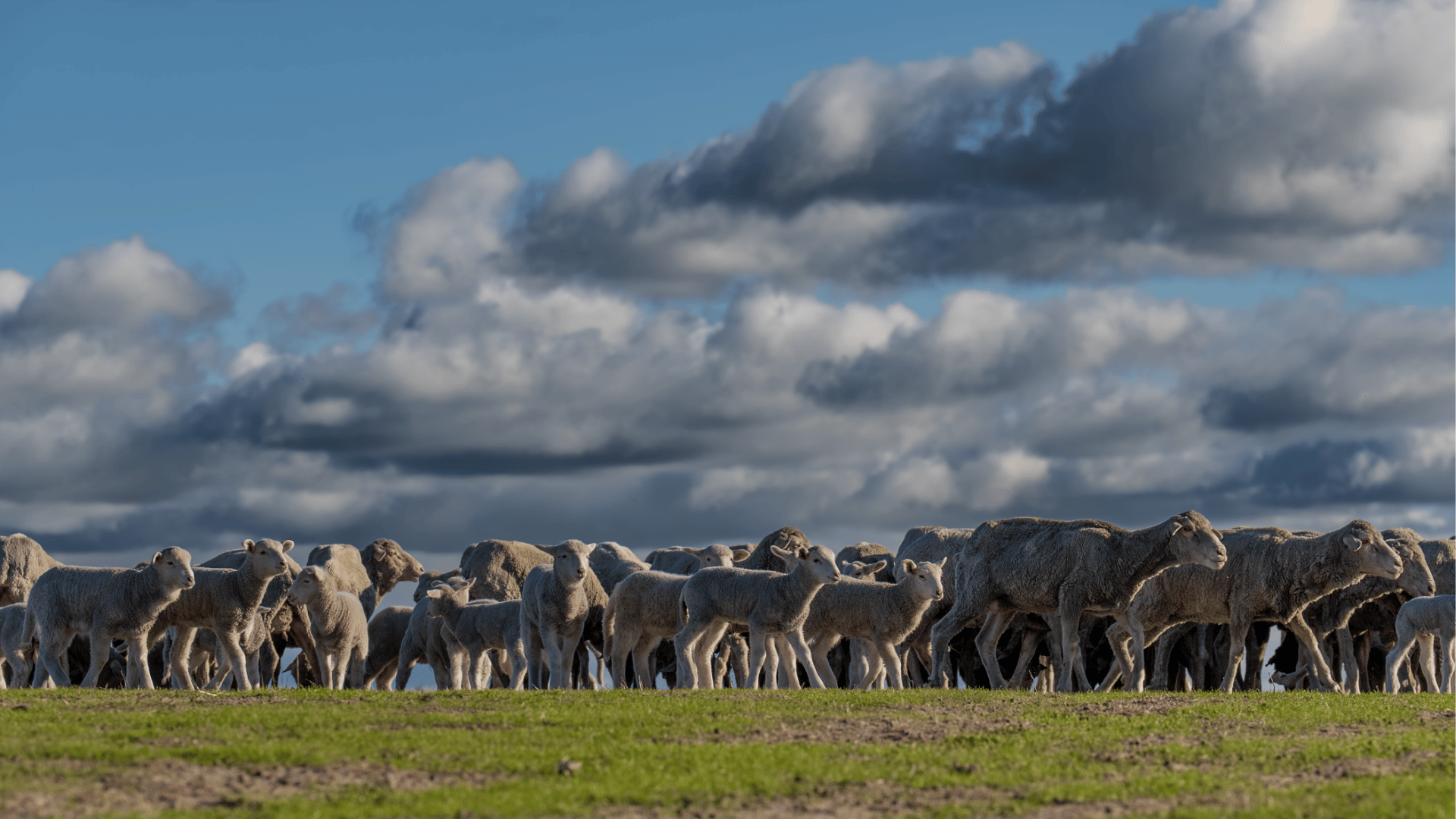
Lamb prices reached unprecedented levels in 2025, with the Heavy Lamb Indicator peaking at 1,245¢/kg carcase weight (cwt) in August. The key question for producers isn’t about how high prices went, but how the market got there and why the recurring ‘limited supply’ narrative didn’t necessarily mean lamb numbers had significantly reduced.

Major drivers through winter were quality and finish. The market consistently rewarded well-finished lambs that met processor and supermarket specifications. Premiums held for top-end drafts, while averages softened when the offering lacked finish. This distinction matters because it can create the impression of a widespread shortage, even when overall lamb availability is reasonable. When buyers struggle to secure enough lambs that fit grid requirements, competition intensifies quickly. This lifts prices, even if total production is only marginally lower year-on-year.

Importantly, supply wasn’t collapsing. MLA’s Industry Projections estimated 2025 lamb production at 610,000 tonnes. This figure is 3% below 2024 but still 1.8% above 2023, when oversupply was a key theme. That context suggests the 2025 price outcome was shaped as much by procurement pressure and market demand, as it was by the headline production number.

New season dynamics also influenced the August peak. Poor weather in southern regions delayed the usual new season flush, contributing to a short-term supply gap at a time when demand remained firm. As spring progressed, new season lambs began to drive market activity and generally achieved stronger prices than older drafts. Demand stayed selective, however. Lambs with better presentation and finish held value more consistently than plainer offerings.

From an on-farm perspective, 2025 reinforced a practical takeaway. In years when the market is nervous about supply, the strongest upside tends to sit with lambs that hit weight and fat specifications cleanly. On-farm management decisions that protect finish can be the difference between good and exceptional price outcomes.


The Bottom Line

  • Lamb values reached record highs in 2025.
  • The supply squeeze was predominantly about finish and specification.
  • Price strength was amplified by perceptions of scarce supply, even though production remained relatively solid.

Global beef prices and local cattle prices moving in opposite directions

Global beef prices and local cattle prices moving in opposite directions

The local cattle market has found another gear since the big turn off across southern Queensland and northern NSW eased entering May, as some late...

Read More >
National herd grows as grassfed bullock numbers potentially impact future feeder steer supply

National herd grows as grassfed bullock numbers potentially impact future feeder steer supply

Meat & Livestock Australia has released the April wave of its Beef Producer Intentions Survey (BPIS) report, which details key underlying changes in...

Read More >
Testing trading scenarios

Testing trading scenarios

Last week we looked at restoration of restocker demand in cattle markets, which, along with tightening supply, has driven the young cattle market to...

Read More >