
3 min read

Cattle slaughter hits highest level since 2015 as global demand drives throughput

Cattle slaughter hits highest level since 2015 as global demand drives throughput
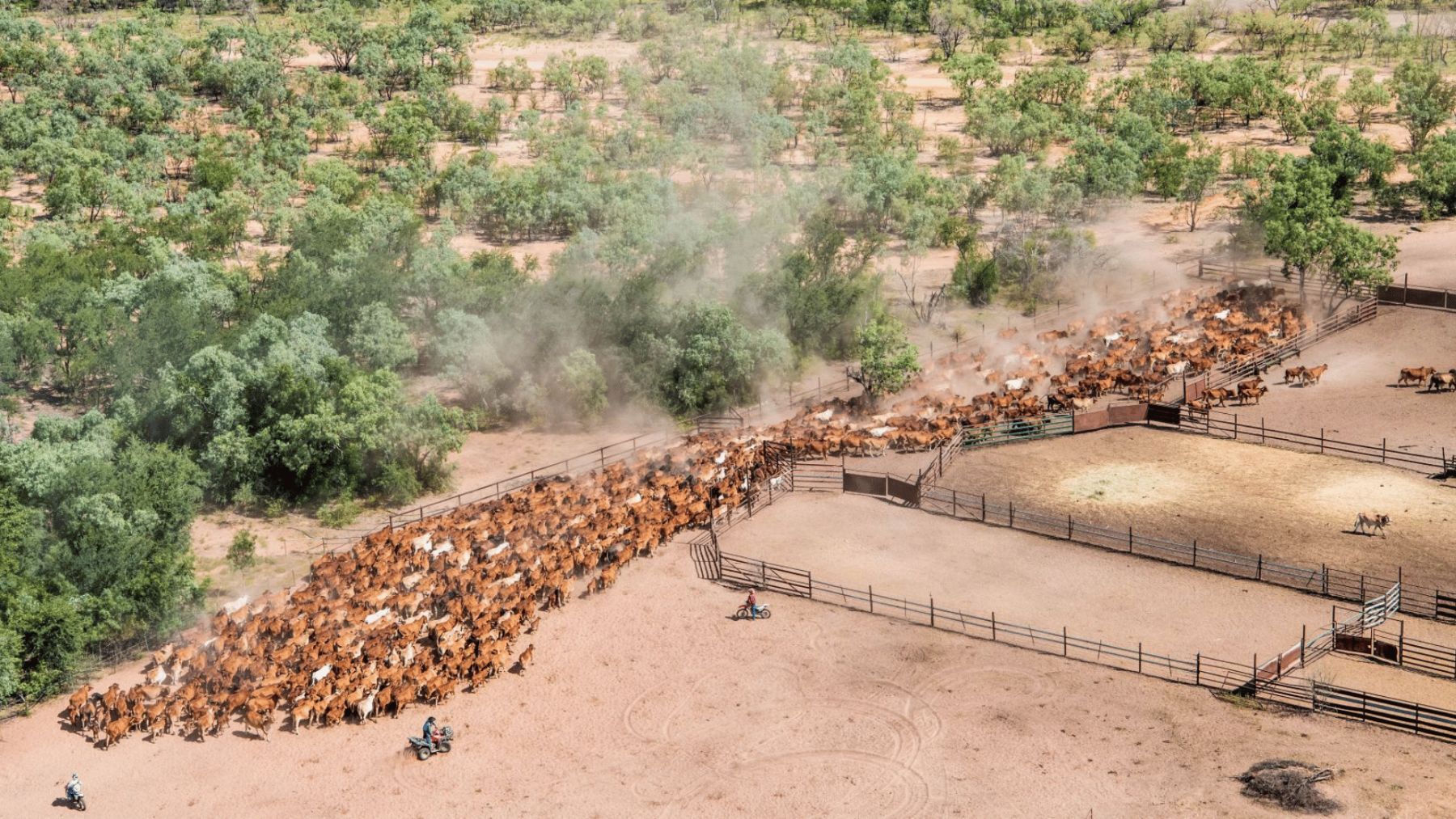
Pic: AgriShots
Cattle slaughter hits highest level since 2015 as global demand drives throughput
5:20

Australian cattle slaughter has surged to its highest weekly level in more than a decade, underscoring the strength of global beef demand and processor activity.

Meat & Livestock Australia Market Information Analyst Alex Fry confirmed cattle slaughter for the week ending March 28 reached 161,540 head, surpassing the previous peak of 160,354 head recorded in the last week of June in 2019.

"You have to go back to October 2015 to find a higher weekly slaughter (week ending October 24, 2015) which had 167,102 head."

The elevated throughput follows similarly strong numbers the prior week, with MLA reporting 159,113 head processed for the week ending March 21.

Echoes of 2015 market dynamics

The comparison to October 2015 is significant. October 2015 marked a turning point for Australian beef markets, as the industry moved out of drought-driven liquidation and into the early stages of herd rebuilding. 

This tightening in supply, following heavy drought-induced turnoff, was met with strong export demand and improved seasonal conditions, providing a foundation for the 2015–2016 cattle price boom, one of the most significant in Australian livestock market history. 

Global demand was the key catalyst. China’s appetite for both beef and sheepmeat expanded rapidly, while Japan and Korea remained strong premium markets. At the same time, the United States was importing large volumes of beef during its own herd rebuilding cycle.

Today, demand-side fundamentals are once again playing a central role.

However, we should note that there are fundamental differences, with the recently released 2026 Cattle Industry Projections by MLA forecasting the national herd at 30.783 million head in 2026, down 1% year-on-year, but still historically large.

The cattle cycle has been supported by favourable northern seasonal conditions, productivity gains, herd composition and the evolving dynamics of production systems. 

The report was compiled before the Middle East Conflict, and therefore impacts such as increased costs of operation or global interruptions have not been taken into account.

Demand-led processing strength

It is again strong export demand, which is leading to the high slaughter volumes in Australia at present.

"Despite the growing global concern around fuel supply and price volatility since the start of the Iran conflict, processors have continued strong levels of production," Mr Fry said.

"The strong global demand for Australia’s beef continues against the backdrop of the US’ domestic beef supply deficit and exporters looking to fill orders in the first half of this year."

This sustained demand is enabling processors to maintain elevated throughput levels despite broader macroeconomic uncertainty.

There is also a push on to export beef to China as we inch closer to meeting newly installed quotas from that country.

Last week Ripley Atkinson revealed in his APlus News column, that that quota was expected to be met by late April or May.

Holiday disruption impacts supply flows

The recent spike in slaughter numbers also coincides with seasonal distortions in supply, as the industry navigates April long weekend disruptions.

These interruptions typically influence both procurement patterns and kill schedules, with cattle flows often brought forward or delayed.

This effect is already visible on AuctionsPlus, where offering volumes have fluctuated significantly in recent weeks. Listings reached 24,488 head two weeks ago and 24,346 head last week, before dropping sharply to 9,261 head this week as sales were brought forward ahead of public holidays.

Some of this supply has effectively been redistributed across adjacent weeks, rather than reflecting a true drop in underlying availability.

AuctionsPlus outlook

Attention now turns to post-holiday throughput, where a rebound in listings is anticipated, as the platform continues to provide vendors a way to manage risk, particularly around pricing and freight.

A lift in AuctionsPlus numbers next week is expected as deferred cattle return to market, providing a clearer indication of underlying supply trends heading into the second quarter.

Despite the reduced offering cattle prices in today's pre-Good Friday sales were generally softer with reduced clearance. Whether this was a blip due to less buyers operating in this short week, or signals of growing uncertainty in the market is yet to be seen.

But for now there remains plenty of upside in the market, underpinned by the highest slaughter rates in over a decade and strong global demand.


The Bottom Line

  • Cattle slaughter is at its highest weekly rate than any time in the past decade.
  • Demand side fundamentals, such as export demand, are playing a fundamental role in increased slaughter activity.
  • Uncertainty around the Middle East war and what impacts it may have on the cattle market persist.

Cattle slaughter hits highest level since 2015 as global demand drives throughput

Cattle slaughter hits highest level since 2015 as global demand drives throughput

Australian cattle slaughter has surged to its highest weekly level in more than a decade, underscoring the strength of global beef demand and...
Read More >
Relating cattle supply to price

Relating cattle supply to price

The Meat and Livestock Australia (MLA) Cattle Industry projections were released last week. The Industry Projections are an important outlook for...

Read More >
Weaner steer premium lifts to 20% amid increased northern supply

Weaner steer premium lifts to 20% amid increased northern supply

The Weaner Steer Premium lifted to 20% last week as the market adjusted to increased turnoff, largely driven by seasonal conditions across northern...

Read More >