1 min read

Why has the sheep market corrected?

Why has the sheep market corrected?
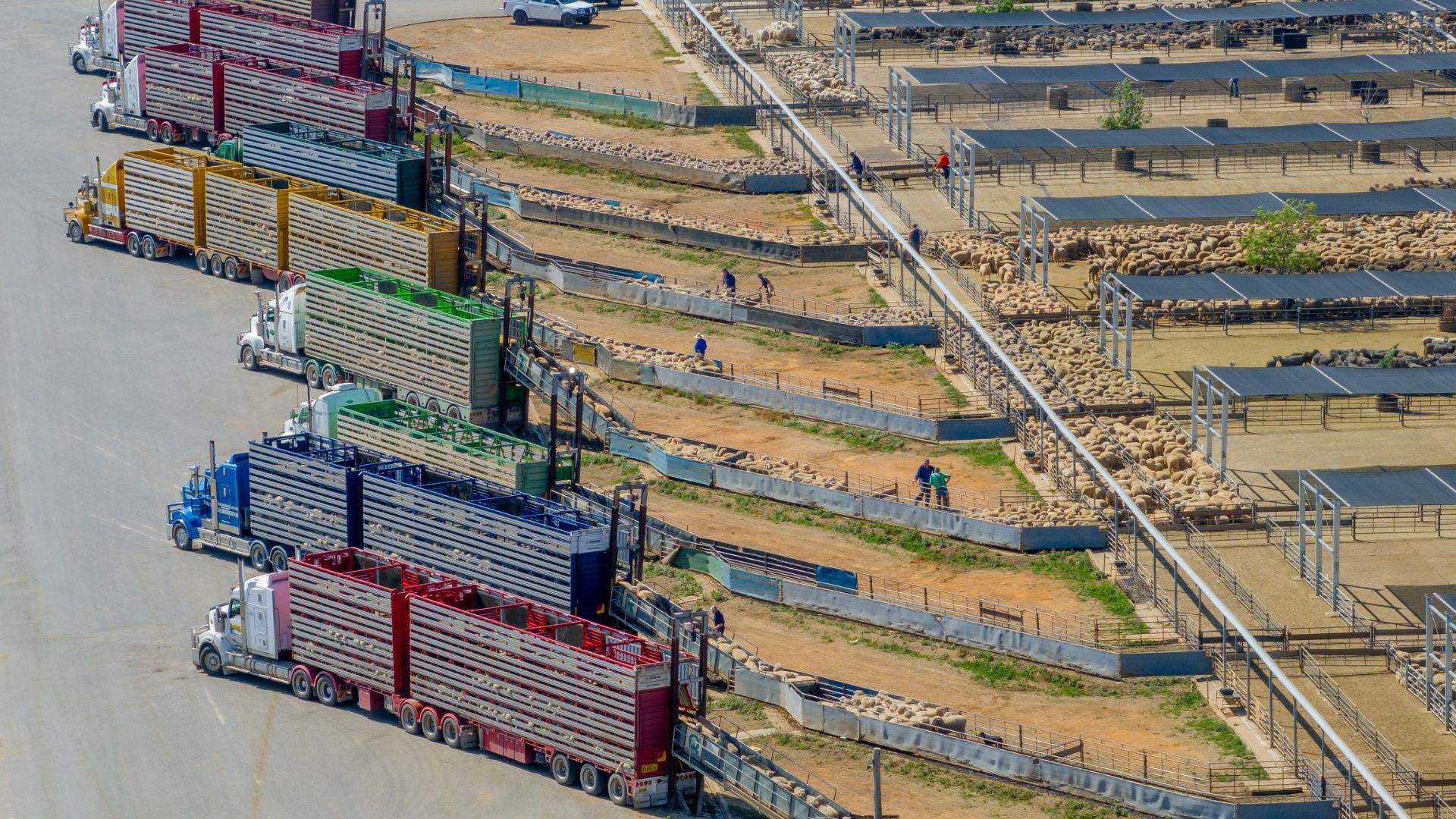
Following several months of elevated prices, the market is now adjusting in response to growing supply, processor margin pressures and market dynamics. Pic: AgriShots.

The Australian sheep and lamb market experienced a correction last week, with key indicators retreating from recent highs, as the spring flush of new season lambs unfolds.

Following several months of elevated prices, the market is now adjusting in response to growing supply, processor margin pressures and market dynamics. The National Heavy Lamb Indicator dropped 66¢ to 1,051¢/kg carcase weight (cwt) with the Light Lamb Indicator also softening 84¢ week-on-week to 974 ¢/kg cwt .

After subdued August yardings, there has been a late September lamb supply increase. The public holiday across the eastern states, however, temporarily affected saleyard activity and throughput, extending the earlier price rally. As normal sale volumes and market activity resume, the gradual increase in yardings is now placing downward pressure on prices.

October is bringing the gradual spring flush of new season lambs and the market is anticipating the building numbers. Demand has shifted toward this category as the old season lamb supply tightens, in line with seasonal changes and processor requirements. The flow of supply, however, has been slower than average, with total lamb yardings still tracking below the five-year average.

Drought-induced turnoff earlier in the year has tightened spring offerings, particularly across southern regions. In Victoria, improving pasture conditions is supporting producer intentions to hold lambs longer and add weight before marketing. Conversely, NSW is seeing a smaller but well-finished lamb cohort enter the market, following a strong winter season.

Mutton volumes are also building, coinciding with the traditional post-weaning and spring shearing period. Producers are now turning off older or dry ewes as lambs are weaned and spring pastures stabilise. While the increase in supply remains modest, it reflects typical seasonal patterns. Last week, national sheep yarding registered 115,000 head − the largest yarding since May. Consequently, the Mutton Indicator dropped 94¢ to 686¢/kg cwt.

The key driver of the current market correction is the margin pressure facing sheep processors. Tight processing margins – due to competition for supply to maintain the chain – have seen some facilities scale back operations, reduce shifts, or bring forward maintenance shutdowns. This cautious approach from processors is contributing to the slower absorption of the growing supply, further impacting market sentiment.

With an expected continual supply build through October and November, further market adjustments are possible. Producer decision-making around turnoff timing and weight targets will remain critical in maximising returns during this transitional phase.


The Bottom Line

  • The sheep market has experienced a correction.
  • New season lambs are flowing, although total lamb yardings remain below the five-year average.
  • Processor margin pressure and intermittent capacity are slowing the absorption of additional supply.

Strong cattle supply to come forward in 2026

Strong cattle supply to come forward in 2026

Last week, Meat & Livestock Australia (MLA) released the November 2025 Beef Producer Intentions Survey (BPIS), providing detailed insights into...

Read More >
Mutton market set to soar with a good soaking

Mutton market set to soar with a good soaking

The mutton market has the potential to go mad if southern Australia gets a solid and widespread autumn break.

Read More >
Beef confidence hits record highs: Survey

Beef confidence hits record highs: Survey

The latest Beef Producer Intentions Survey found Australian producers have the highest level of confidence recorded since reporting began.

Read More >