
 Natasha Lobban
Sam Platts named Industry Woman of the Year
 Natasha Lobban: Oct, 6, 2026
Sam Platts of Nutrien Ag Solutions Bombala has been named Industry Woman of the Year, powered by Zoetis, in the 2026 AuctionsPlus Awards. The win...
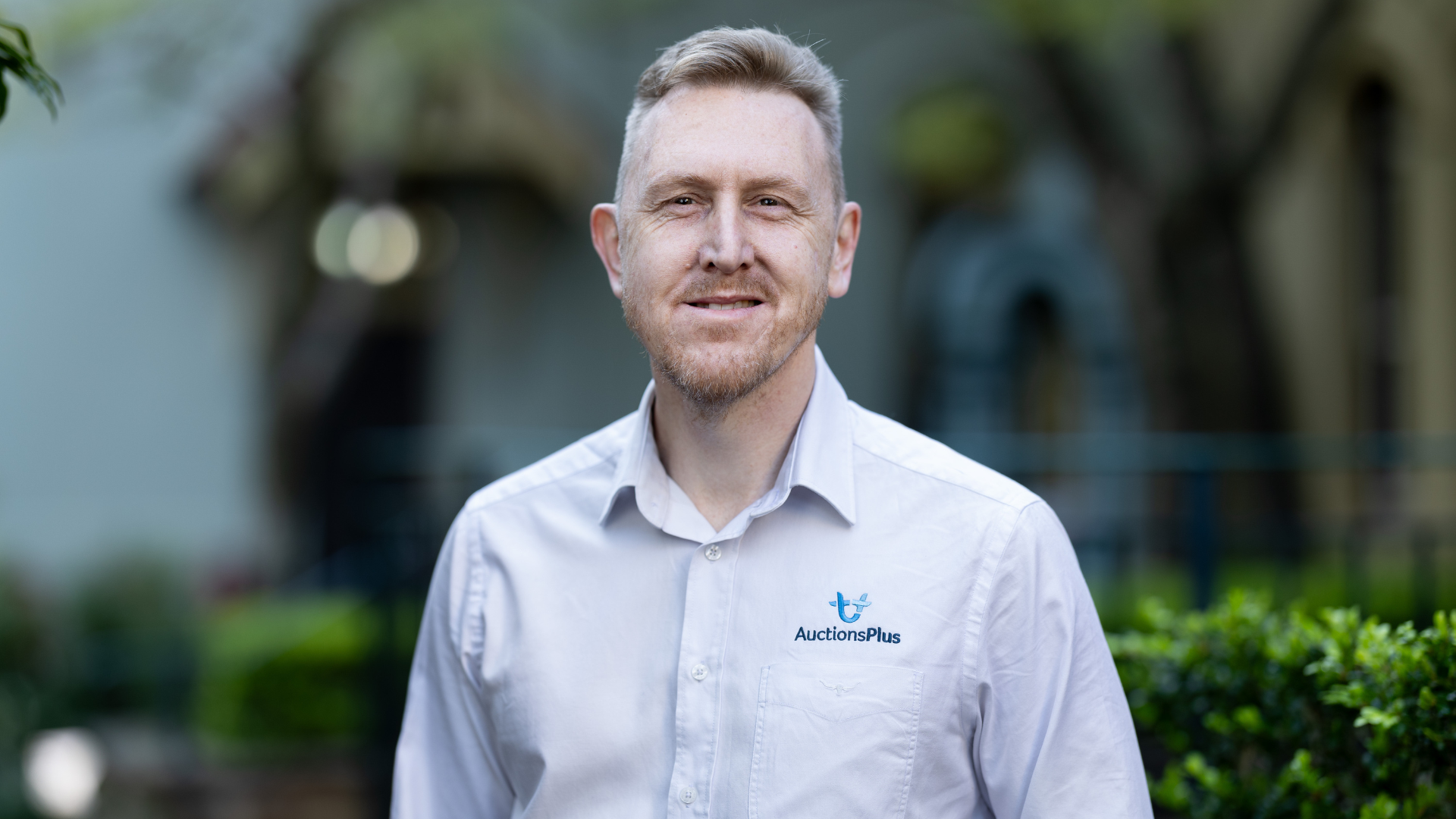
Ken Salan has spent nearly three decades helping turn what started as a fax machine and a phone line into one of Australia's most trusted livestock trading platforms. AuctionsPlus' Chief Technology Officer reflects on the ride.It takes a particular kind of person to stay in a job for 30 years and it takes a different kind entirely to have done three or four jobs within it.
Mr Salan grew up on a property near Gulgong, NSW, and went on to study agricultural science, came back to the land for a stint, then spotted an ad in The Land for a market operator help desk role with a company called Computer Aided Livestock Marketing (CALM).
He figured he'd give Sydney a year or two. That was 1997. He's still here. The company has even rebranded to AuctionsPlus in that time.
Mr Salan started as a market operator, navigated several restructures that whittled the business down to a handful of staff, and picked up whatever needed doing along the way, including finance, system administration and the help desk before finding his footing in development and working his way up to CTO.
"I think it's the mix of ag and tech that keeps me pretty excited about the role and the fact that as a business we've had to really evolve through the many different ages we've seen," Mr Salan said.
Those ages began well before the internet, before mobile phones, before most Australian households had a computer at all. The original CALM platform ran on dedicated terminals, chunky boxes whose sole purpose was to display auction data in green and black text. Catalogues arrived by fax. Bids were called in over the phone, or in some cases, honked in via car horn from a ute parked a kilometre and a half from the sale yard, a makeshift phone line strung across the paddock between them.
"There's some great stories about how, particularly early on, sales were run from the homestead, a kilometre and a half line being run to a ute with the house phone, and then somebody bidding by the horn of the car to the sale yard that was then down in the patio," Mr Salan said. "That was the lengths people went to, to get the job done early on."
Some things don't change at AuctionsPlus, with ingenuity high on the list. Last year, a Starlink terminal mounted to a four-wheeler was doing a similar job at a machinery sale. Connection at all costs.
The platform itself has been transformed, several times over.
When Mr Salan joined, the software had to be physically installed on individual machines and dialled into via a dedicated modem connection. He used to drive around doing exactly that, visiting properties and offices to configure hardware and get people connected. The internet changed everything. Around 1997 and 1998, CALM rewrote the platform to run through a browser, and suddenly the barrier dropped.
Photos followed not long after, in the early 2000s. The first agent to send them was a Tasmanian, Paul Jones, who would go out with a digital camera, photograph his lots, burn the images to a floppy disk and express post the disk to the Sydney office for processing.
"From that to being able to run near to real-time audio video against sales is certainly a big change," Mr Salan said.
Then came COVID, and with it a scale of growth nobody had fully planned for. As on-farm auctions became impossible and agents across the country pivoted online, AuctionsPlus went from running a handful of auctions per day to, at peak, more than 30 in a single day. The team did a complete rewrite of the platform under pressure, shifting from on-premise infrastructure to the cloud. From the outside, not much looked different. Inside, it was a different system entirely.
"From the outside, maybe nobody really noticed anything different, but there was a lot that went on behind the scenes," Mr Salan said.
That invisible work is something Mr Salan is rightly proud about. AuctionsPlus has always kept its development team in-house, along with its cyber operations. No outsourcing. The team today is genuinely global, developers born in New Zealand, the Philippines and elsewhere, united by, as Mr Salan puts it, a genuine love for the platform.
"They bleed blue," he said. "We've got a great retention rate within that team, which I think shows the passion they've got."
The scale of what that team now handles is significant. The Texas Angus sale last year drew more than 2,000 registered bidders. The early equivalent was a small crowd gathered around a single terminal at an agency office, sharing the screen.
Mr Salan credits three people in particular with shaping his career. Gary Dick, who joined as livestock manager and eventually became general manager, gave him an early and enduring understanding of how the industry thinks and moves. Peter Dimaridis, a long-term contractor and IT manager, was the one who helped him make the leap into technology properly, and backed that with formal study, something AuctionsPlus supported while Mr Salan was still working. And Dean Lemmich, a store stock coordinator who Mr Salan describes simply as a man of extraordinary work ethic, someone who opened the doors in the morning and closed them at night, and whose example stuck.
Looking back at the original idea, Mr Salan is generous about the people who had it. AuctionsPlus was conceived in the early 1980s, years before the technology existed to properly support it. The internet didn't arrive until more than a decade later.
"It almost feels like the technology has grown into the idea," he said. "An Elders agent had a famous quote: they loved AuctionsPlus, but it's ahead of its time. And I think that was very, very wise. Back in its day, the technology eventually caught up."
What comes next, Mr Salan thinks, is something similar. Artificial intelligence, he says, holds genuine promise, not as novelty, but as a tool to surface what AuctionsPlus already has.
"We're a very rich, sale-by-description system," he said. "We've got a very wealthy bank of data. I think we will start to see with AI a better exposing of that. Personalisation, being able to track what people are using the platform for and expose to them more relevant listings."
He is measured about it, the way someone who has lived through several technological revolutions tends to be. The fundamentals don't change. The platform has to work. Farmers don't have time for things that don't.
"It's an industry that doesn't tolerate time wasting," he said. "The thing I love about farmers is they genuinely are a jack of all trades. Their tolerance for time wasting isn't there. Which I think has been a key philosophy for us: just make it work. Make sure it adds value."
After 30 years, that's still the job.

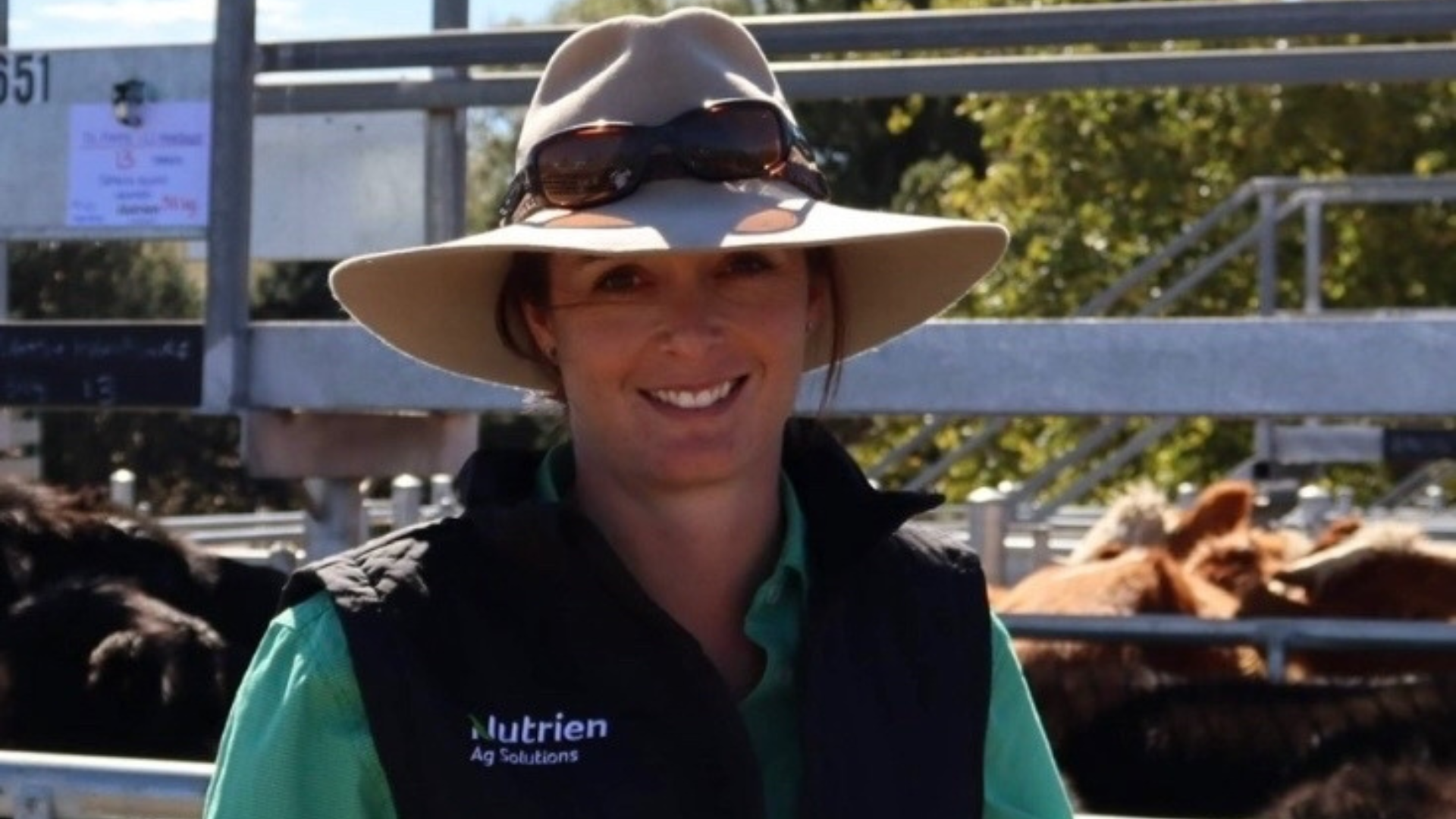 Natasha Lobban: Oct, 6, 2026
Sam Platts of Nutrien Ag Solutions Bombala has been named Industry Woman of the Year, powered by Zoetis, in the 2026 AuctionsPlus Awards. The win...
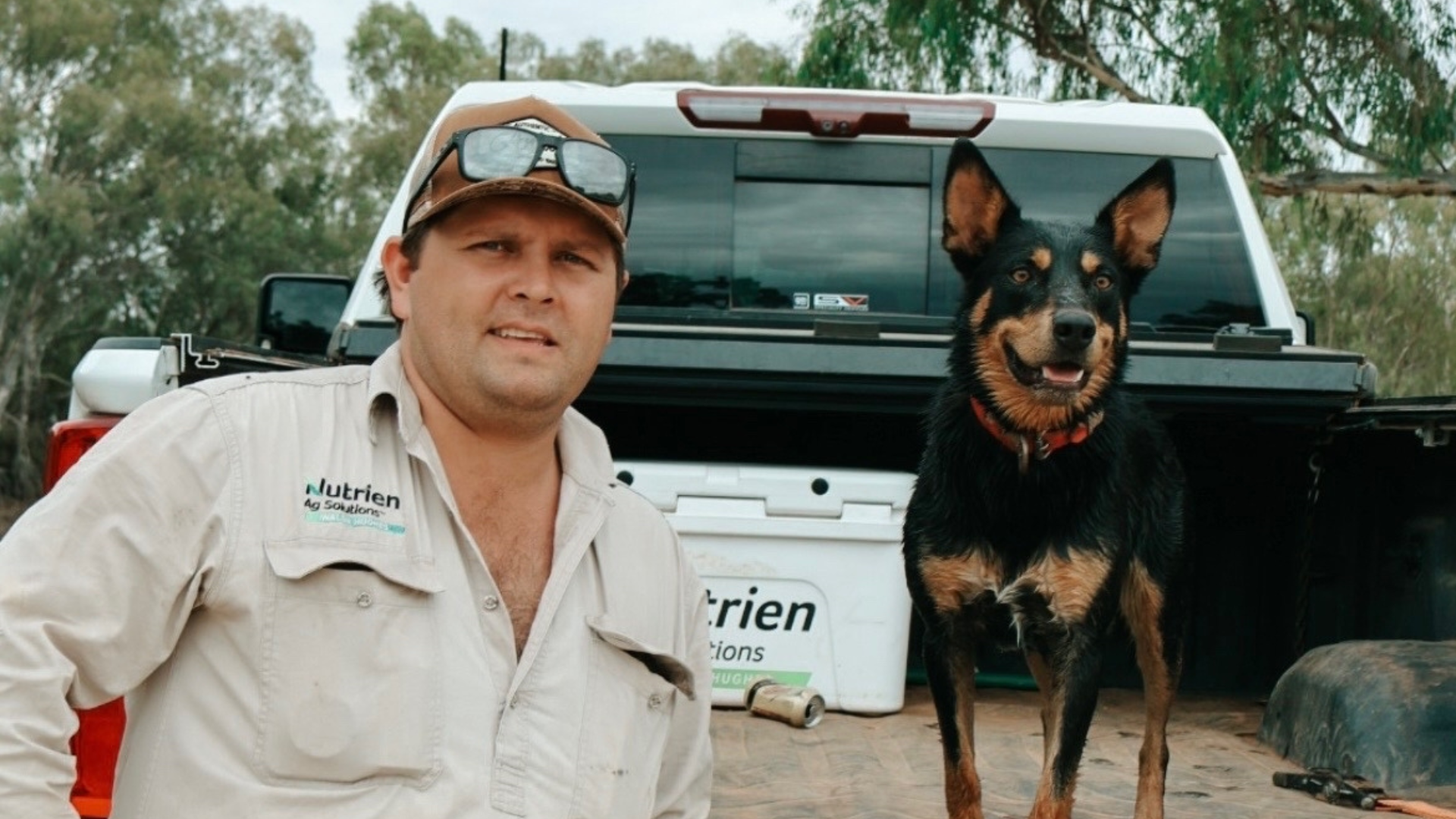 Natasha Lobban: Sep, 28, 2026
Charlie Bible of Nutrien Ag Solutions Bourke has won the AuctionsPlus Young Gun Award, powered by Zoetis. The win caps off his first year in the...
 Natasha Lobban: Sep, 24, 2026
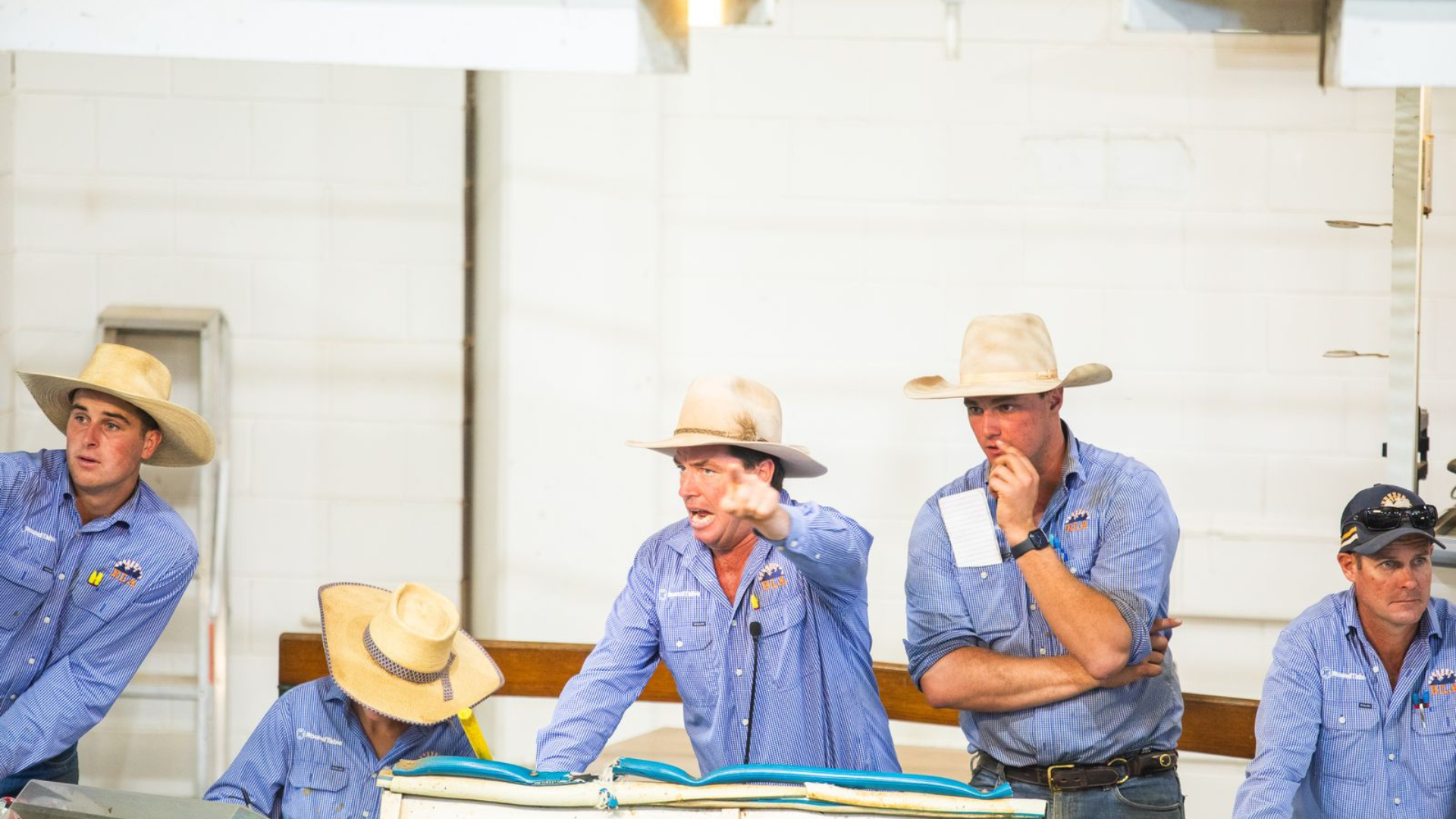
James Tierney, director of Riverina Livestock Agents in Wagga Wagga, NSW, has won the Gary Dick Award for FY26.