
Northern rain and the cost of freight
 Andrew Woods: Oct 14, 2026
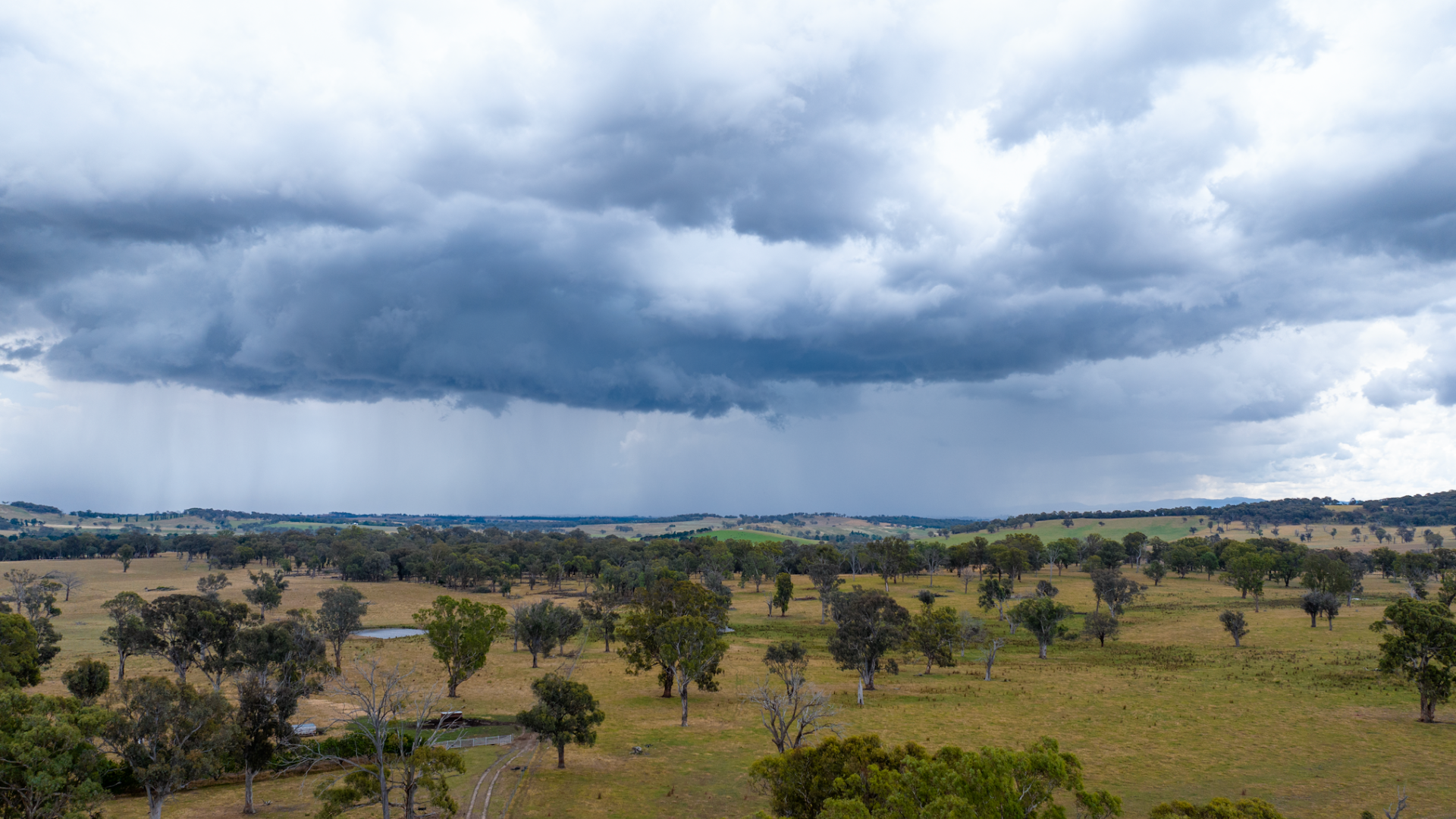
The forecast is looking promising for vast parts of Queensland and Northern NSW for the coming week.If you are looking for rain, of course.Rain will...
There has been some sentiment shift in cattle markets, and as usual it’s more to do with the weather than anything else. Restockers are back in the market, but the approach remains cautious relative to the last restocker boom.
The Eastern Young Cattle Indicator (EYCI) has had a very solid rally in the last month, gaining 25% from the lows seen in the first week of May, to a nearly two and a half year high last week. The magic 1000¢ mark is within sight for the EYCI, with another two months of winter supply tightness to come.
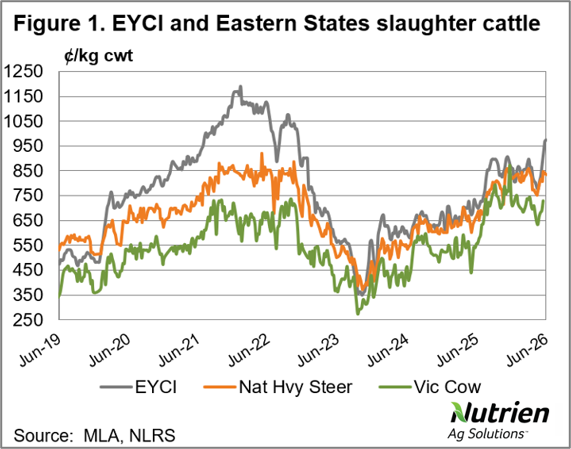
It is restocker cattle which are driving the EYCI. Figure 1 shows slaughter cattle prices. The National Heavy Steer and National Cow Indicators, are back to the highs seen earlier in the year, but young cattle have gone to a new level. There is some serious resistance to higher prices for finished cattle, as they are at the highs off 2021-22; could this be the winter they break higher?
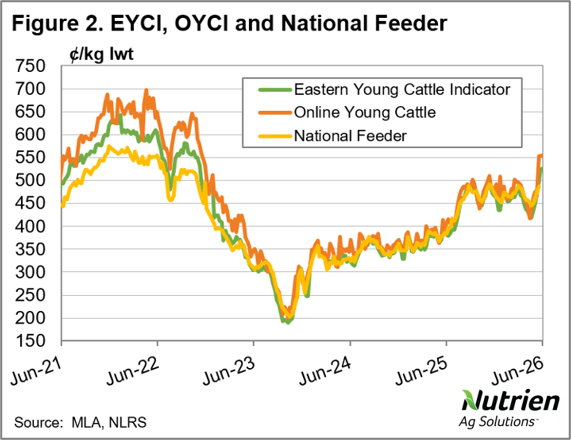
The Online Cattle Indicator (OYCI) gives a better picture of how much restockers are willing to pay. Figure 2 shows the OYCI has gained 35% from late April lows and 10% from the peaks of March. An OYCI at 550¢/kg lwt is the highest since late 2022. The OYCI remains 100¢ away from the 2021-22 highs, despite slaughter cattle being back at their peaks.
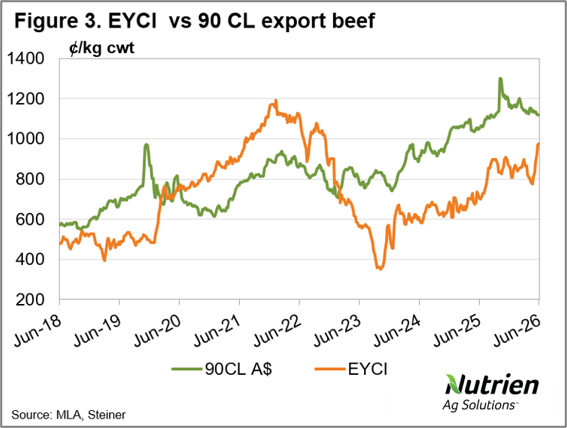
Another measure of where young cattle prices sit, is to compare them to export beef prices. The 90CL export beef indicator has been easing, and the EYCI rising, but figure 3 shows the EYCI remains at a solid discount. Having said that, the current 13% discount is as close as the EYCI has been since early 2023.
Restockers are back in the market in earnest, but the approach remains cautious compared to 2021-22. This suggests that young cattle remain reasonable value, if we are coming into a herd rebuild.
There is some conjecture as to whether we are coming into herd rebuild. Meat and Livestock Australia’s latest projections peg the herd at 30.7 million at June 30, down just 1% from 2025, suggesting supplies should remain strong.
Despite recent rains tightening supply young cattle remains reasonable value and can still turn a profit on a trade. In 2021-22 trading margins were razor thin, with buy prices more driven by longer term planning. Continued winter and spring rainfall could see restocker values continue to rise relative to other indicators, but much depends on how supply plays out.
The EYCI has hit a two-year high, having recorded extremely strong gains recently.
Restockers have been driving young cattle prices higher, but values remain well off 2022.
To reach extreme highs, young cattle supplies would have to tighten further.
 Angus Brown brings over 20 years of expertise analysing Australian agricultural markets, and also runs a mixed farming operation in Hamilton, Victoria.

 Andrew Woods: Oct 14, 2026
The forecast is looking promising for vast parts of Queensland and Northern NSW for the coming week.If you are looking for rain, of course.Rain will...
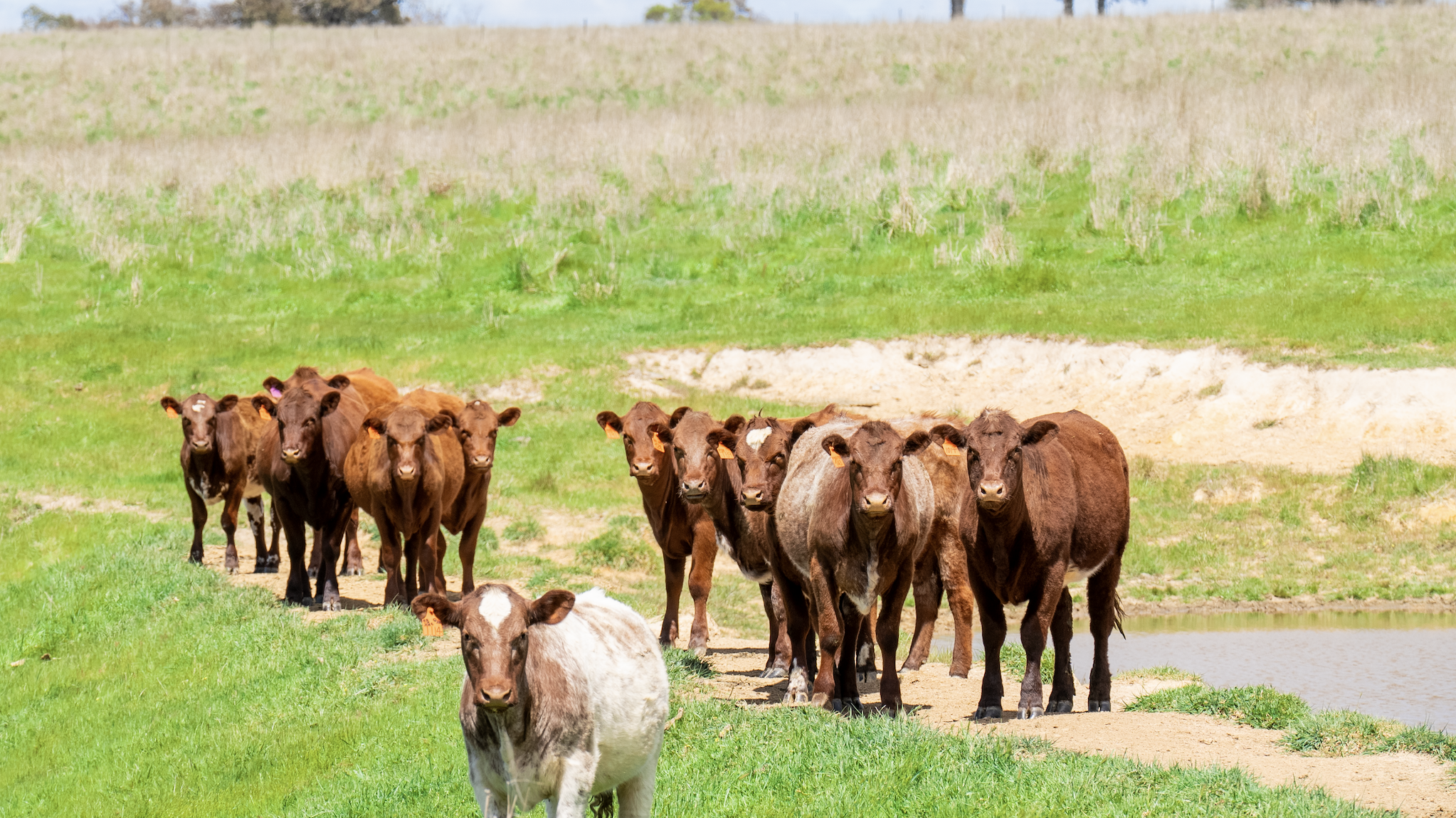
Grass is setting the pace in the cattle market, with restockers outbidding feedlots and processors on AuctionsPlus last week.
 Natasha Lobban: Oct 8, 2026
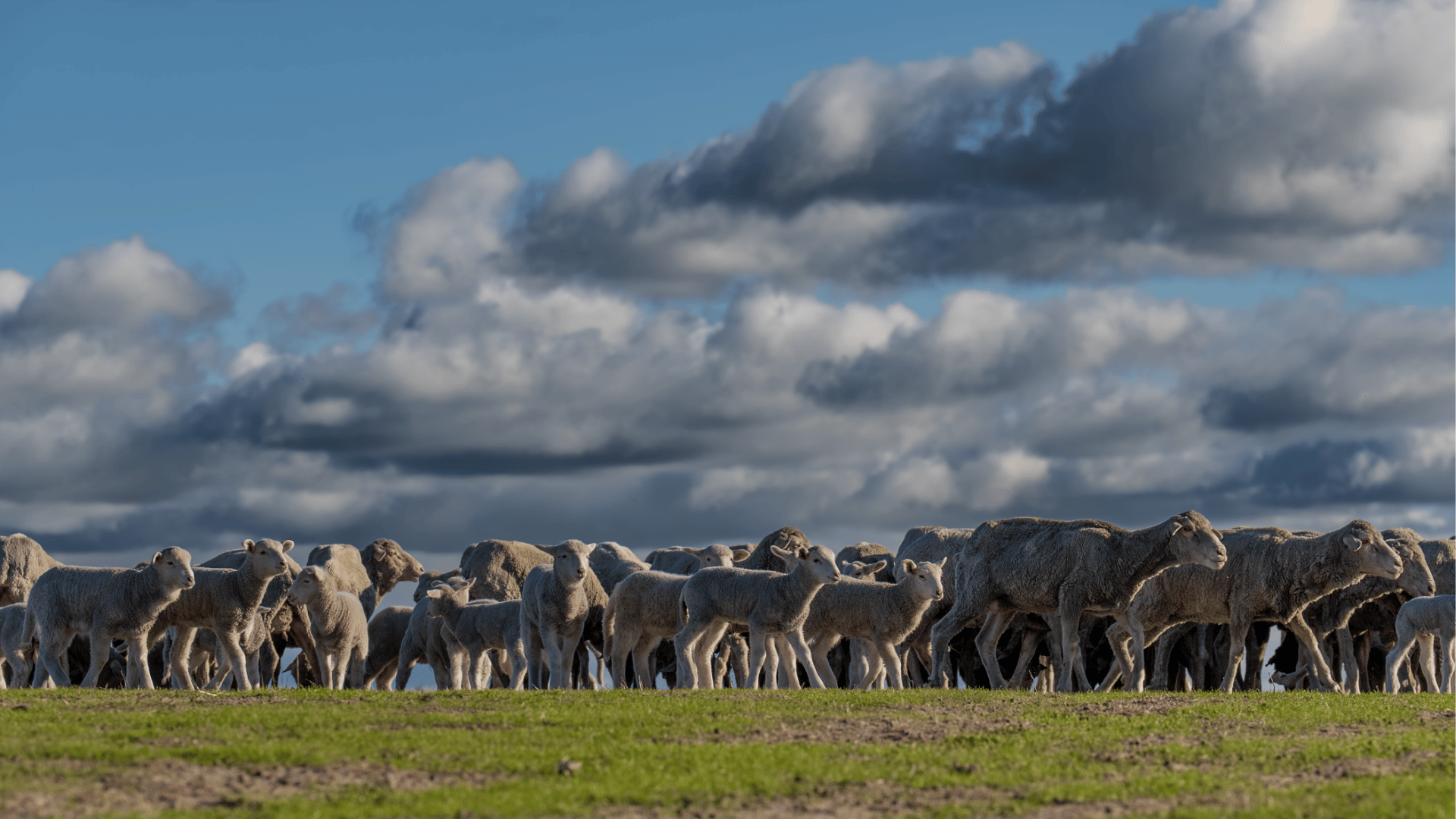
AuctionsPlus has recorded its biggest September for new season lambs in the past decade, with 218,871 head offered across the month.