
 Jamie-Lee Oldfield
Northern rain and the cost of freight
The forecast is looking promising for vast parts of Queensland and Northern NSW for the coming week.If you are looking for rain, of course.Rain will...
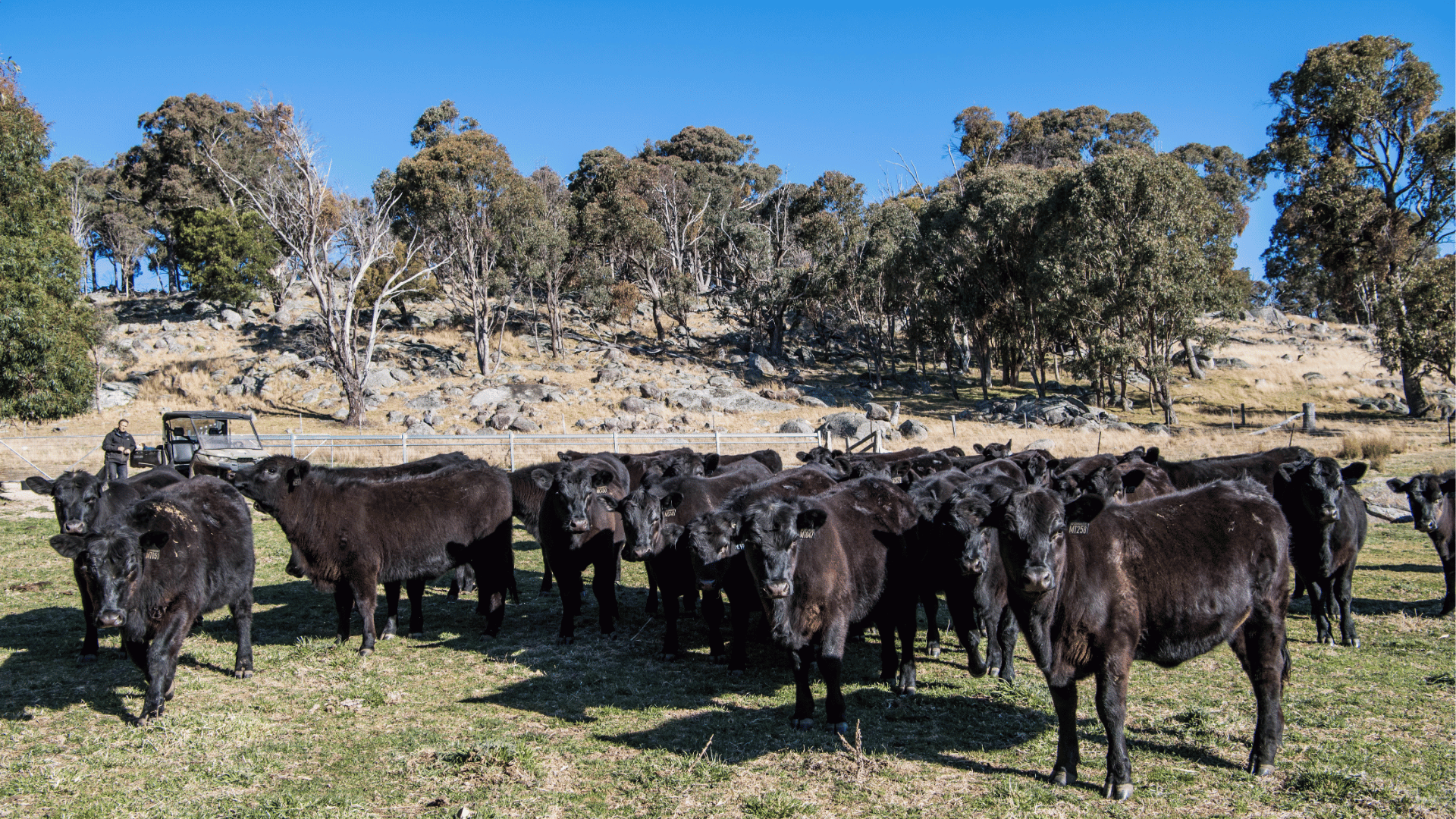
Australian beef exports felt the effects of tariffs in August, but sustained demand from the United States and strong domestic supply kept volumes at historically high levels.
Two of the top four markets for Australian beef have slowed in recent months, however year-to-date export levels are still sitting in record territory. While the impact of grain-fed beef production on exports keeps rising; it is the volume and price of grinding beef following the US temporarily dropping beef tariffs on Brazil for the next three months which could play the biggest role for Australia in the remainder of the year.
Total beef exports for August were at their lowest monthly volume since January, dipping by 12% from July, and 5% from the same month last year. Put into perspective though, August beef exports were still 21% above the five-year-average, and at their second highest level on record, behind last year. Volumes to the US kept flowing, sitting above 40,000 tonnes for the sixth consecutive month and 62% above the five-year-figure for August. Year-to-date, the US has taken 14% more beef from Australia than it had at the same time last year, a record volume for the first eight months.
Intake by China since Australia reached its annual quota in June has plummeted, sitting between 64% and 53% lower than the five-year-average for the past three months. All Australian beef sent to China since mid-June, and for the remainder of the year, will have a 55% tariff added to the price. Year-to-date, volumes are now down 15% from 2025.
Australia’s beef quota into South Korea has also now been reached, which meant volumes to that market dipped 39% from July to August - but was still on-par with the five-year average for the month. The year-to-date volume is also up year-on-year, hence why the quota was reached a few months earlier than usual. Volumes to Japan only fell slightly from the previous month, likely dictated by Australia’s lesser winter supply more than anything else, with the August intake of our beef 31% above the five-year-average.
Australia had a record number of cattle on feed in the June quarter at 1.66 million head, up nearly 2% from the previous quarter and 5% higher year-on-year. Capacity also hit a record high of 1.79 million head, but it didn’t negatively impact utilisation, which also rose to 93%. Turn-off of grain-fed cattle for the quarter was 1.05 million head, which led to grain-fed beef exports falling from the previous quarter, but still being at record volumes for a March to June period.
The latest data we have showing the grassfed/grain-fed export beef breakdown is to June (as are the latest domestic lot-feeding figures), but we can see some of the above Asian market movements reflected in it. Japan’s year-to-June total volume of Australian beef was up 5% year-on-year, while its grain-fed specific intake was up 6%. South Korea had a total increase of 29% for the first six months, with the grain-fed portion lifting 20%. Grain-fed volumes to China were back 13% for the first half of 2026.
So far there’s been ample demand for Australian beef to make up for the markets that have diminished on the back of full quotas, with increased grain-fed production is helping this along. However, the US is still the driving force, keeping pace with our ample supply. There’s a question mark on how that market will fare in the coming months, with the tariff being removed on Brazilian beef into the US (previously 26%) for the next three months. This will increase competition into the US market, and the 90CL US export price has already started to dip. Next month’s data will start to tell us what the impact might be.
 Jamie-Lee Oldfield is a seasoned agri-media, communications professional and livestock market analyst who lives and works on a family-owned stud and commercial beef and sheep operation in Coolac, NSW.

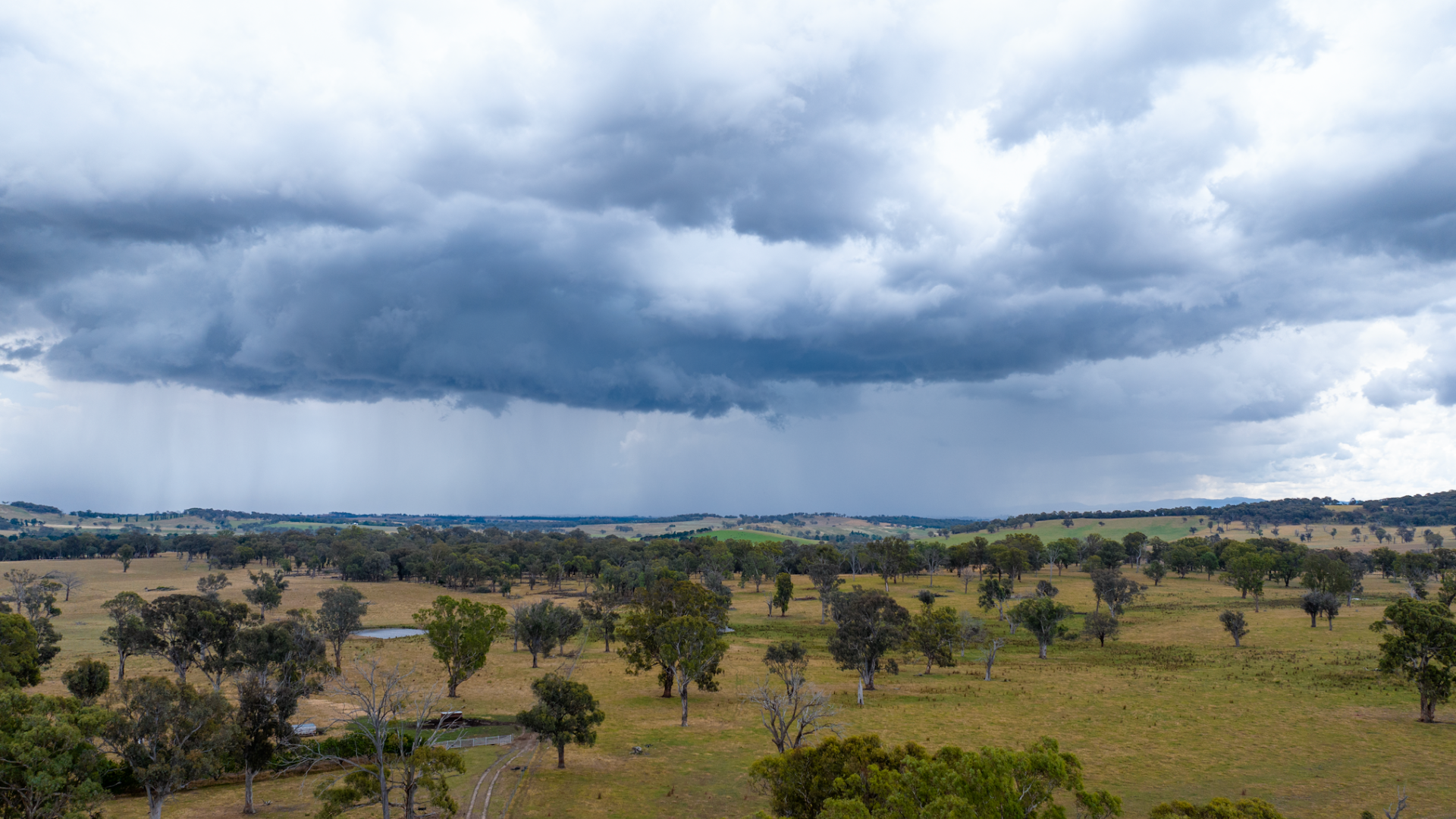
The forecast is looking promising for vast parts of Queensland and Northern NSW for the coming week.If you are looking for rain, of course.Rain will...
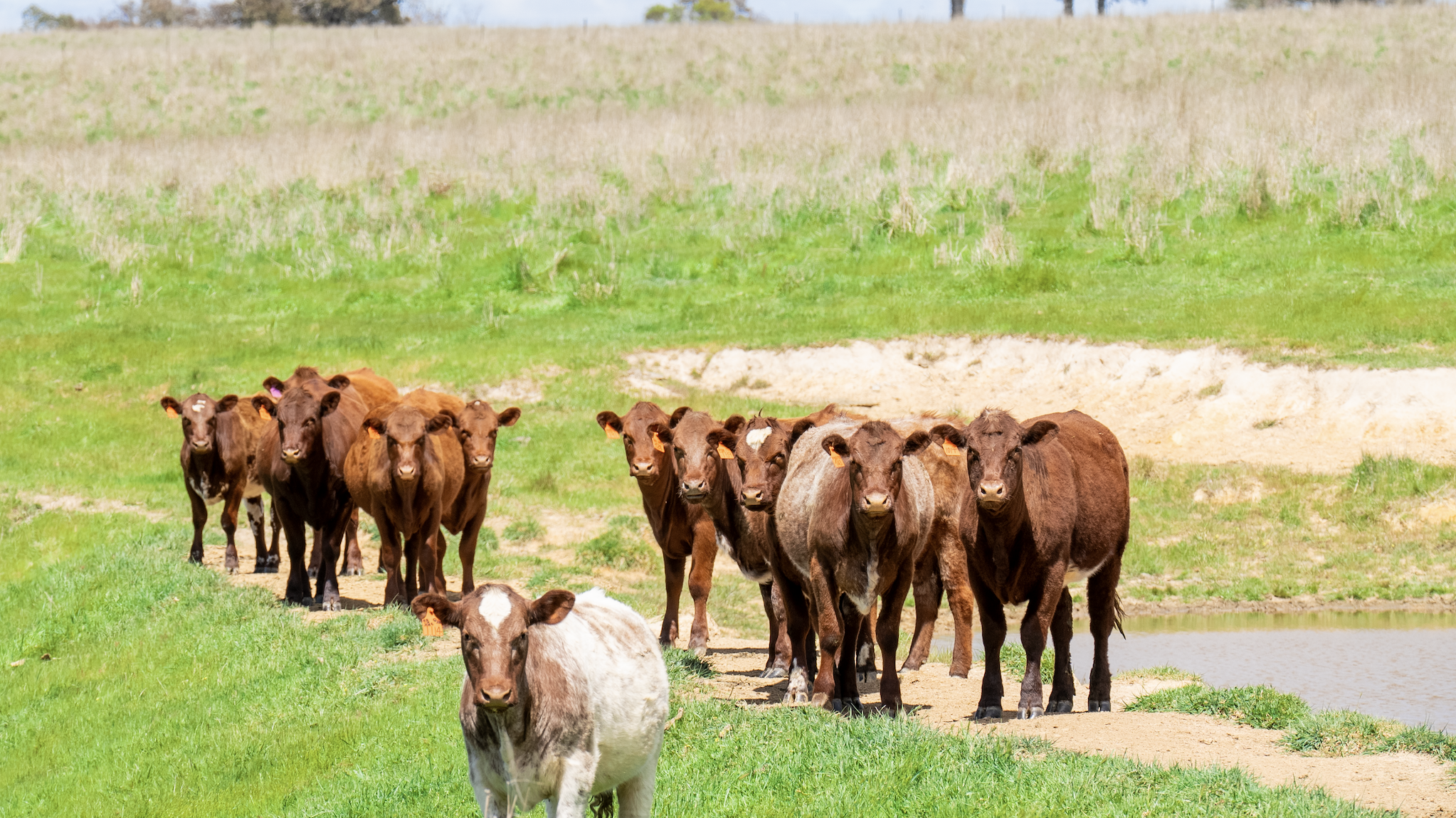
Grass is setting the pace in the cattle market, with restockers outbidding feedlots and processors on AuctionsPlus last week.
 Natasha Lobban: Oct 8, 2026
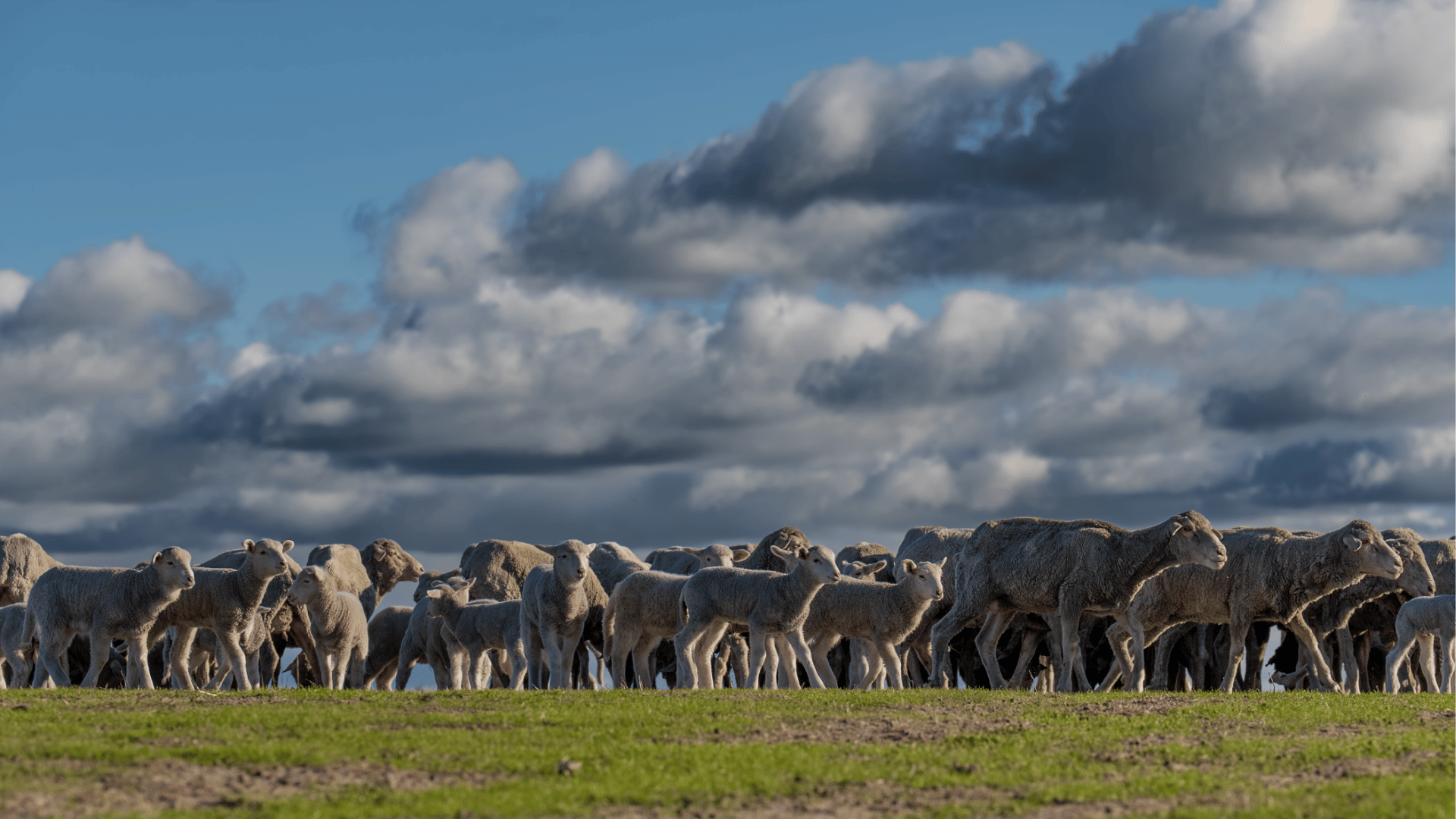
AuctionsPlus has recorded its biggest September for new season lambs in the past decade, with 218,871 head offered across the month.