
Did US trade policy move cattle prices? The data says no
 Steven Jaffery: Oct 21, 2026
Diesel price hikes are impacting farm decisions as input costs soar, affecting business margins and livestock transportation choices in the agricultural industry.
Input costs are having a major impact on business margins.
Diesel prices have increased by 70% over the last four years.
Increased costs will encourage producers to purchase cattle with the lowest transportation cost.
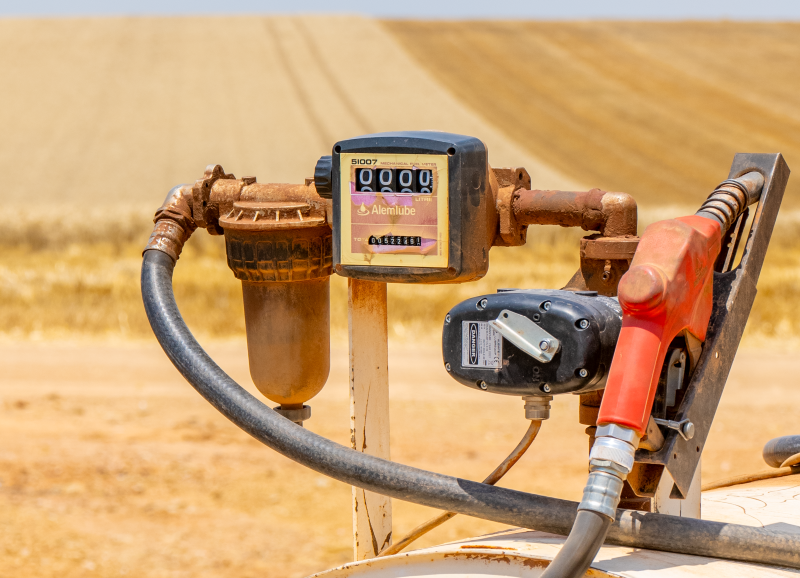
In the agricultural industry, one of the largest costs impacting profitability is diesel. The costs of running on-farm machinery and trucking livestock can put a huge amount of pressure on farm businesses.
Here, the MLA Market Insights team delves into input costs and how they’re relative to profitability. For example, in 2020 and 2021 when cattle and sheep prices were the highest on record, inputs costs contributed to a larger proportion of business margins.
In 2020, diesel prices averaged approximately 108¢/L at retail level excluding the diesel fuel rebate – at this time livestock prices were around 500¢/kg liveweight (lwt). When compared to 2023, average diesel prices were at 183¢/L and livestock prices dipped to around 250¢/kg lwt.
Over the last four years, diesel prices have increased by 70%. This increase is another added rising cost for businesses which has become a struggle to keep up with.
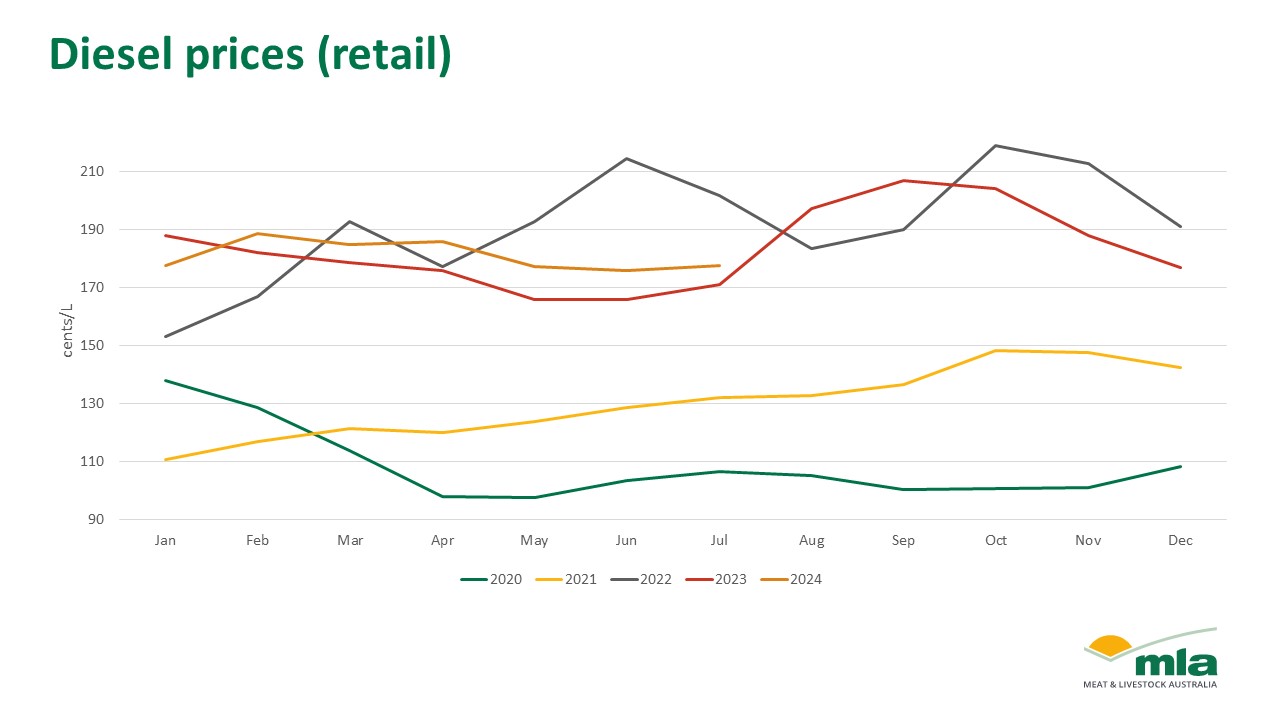
Diesel prices are currently about 5% above those of 2023. These prices are unlikely to ease, with inflation expected to maintain at 3.6% due to the cost-of-living. The result of these increased costs may encourage producers to weigh up the benefits of purchasing better quality cattle that is further away or average quality cattle that has lower transportation costs.
 Matt Dalgleish: Oct 20, 2026
There is a growing perception that Australian cattle prices are becoming increasingly volatile, with larger price swings becoming a more prominent...
 Ripley Atkinson