1 min read

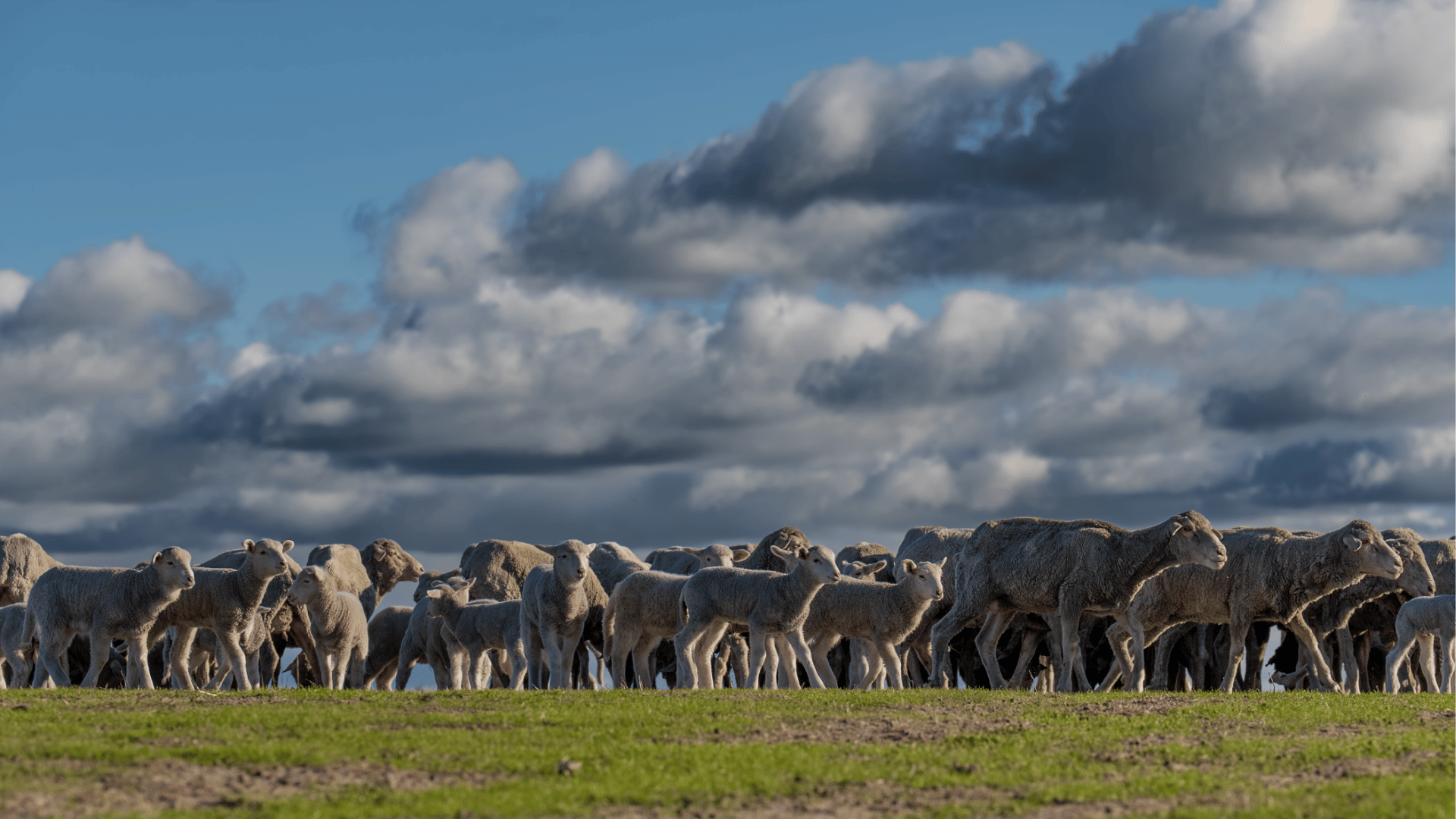
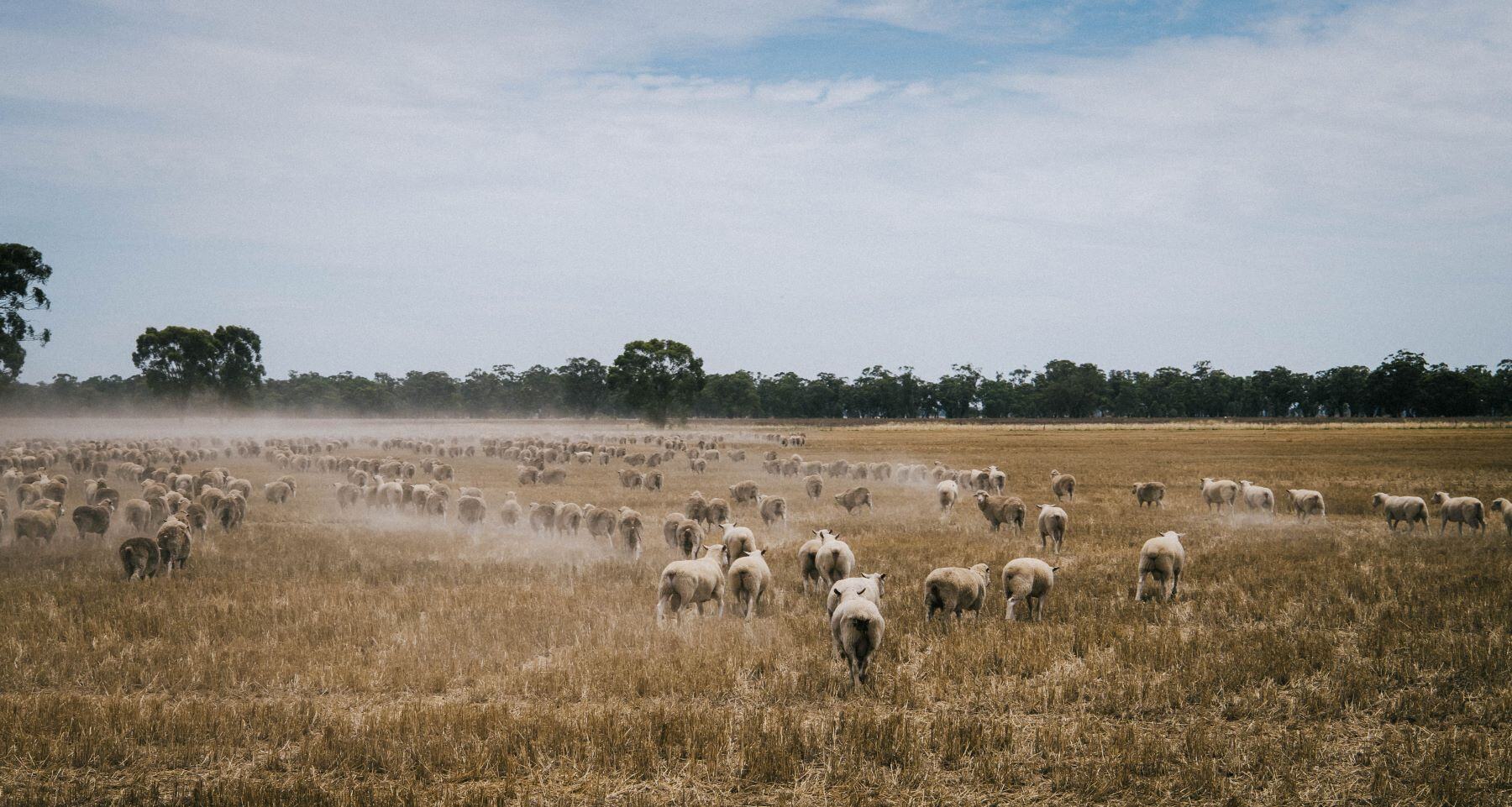
Grazing sheep on stubble in dry seasons

Grazing sheep on stubble in dry seasons

As the grain harvest draws to a close across Victoria and South Australia, sheep producers will be eyeing off the potential value of grazing their sheep on stubble.

A good rule-of-thumb is that the value of the feed equals the amount of residual grain and green plant growth from sprouted grain and summer weeds.

In drier years, the stems and leaves can be quite nutritious as less energy and protein has ended up in the grain. Windy weather can also cause grain to drop to the ground.

Graze sheep on crop stubble immediately after harvest to gain the most benefit.

Look to remove the sheep from the paddock no later than six weeks afterwards. Paddock size, stocking density, and how much grain and green shoots remain will be factors in your decision.

A key indicator will be animals no longer maintaining their weight.

Stubble doesn’t contain much calcium, but licks and supplements can make up for this. A simple solution is to provide your sheep with limestone plus 5% salt to help solve the deficiency.

Trace elements, vitamins, urea and topping up the nutrition shortfall with pellets and grain such as lupins to increase protein intake will help.

There are some animal health issues to watch out for when grazing sheep on stubble:

  • water belly

  • grain poisoning

  • Polioencephalomalacia or thiamine deficiency

  • nitrate and nitrite poisoning from oilseed crops like canola

  • Lupinosis from a fungus in lupins that produces a toxin.

Sheep are helpful at reducing high stubble load but be careful not to overgraze the paddock and leave at least 50% ground cover to prevent wind erosion and help retain moisture in the paddock.

For further information on grazing sheep on stubble see the following resources or contact your consultant nutritionist or veterinarian.


Cathy Bunter is a District Veterinary Officer, Ballarat.

2025: Record lamb prices and ‘tight supply’

2025: Record lamb prices and ‘tight supply’

Lamb prices reached unprecedented levels in 2025, with the Heavy Lamb Indicator peaking at 1,245¢/kg carcase weight (cwt) in August. The key question...

Read More >
China springs new year trade barrier

China springs new year trade barrier

We are less than two weeks into 2026, but already the beef industry has faced a multitude of events which will continue to impact markets...

Read More >
Early report card for the 2026 border regions weaner sales

Early report card for the 2026 border regions weaner sales

With southern weaner sales in full swing this week, the results of these provide a very timely, useful and broadly reflective barometer of where the...

Read More >