
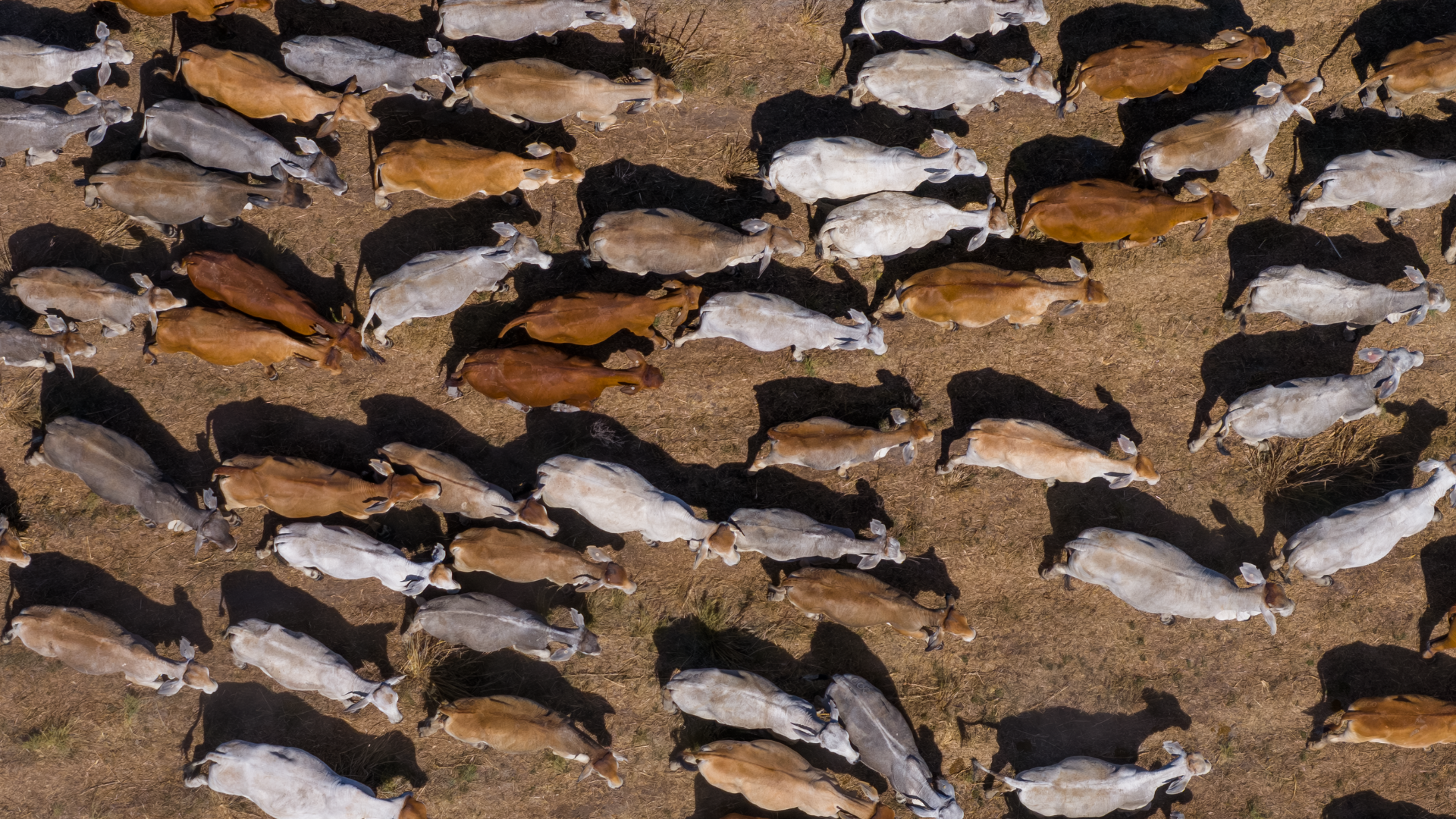
Brazil is the world’s largest beef exporter and, therefore, has a significant impact on global exported beef demand. Livestock pricing is heavily influenced by supply and demand dynamics. This means cattle prices in Brazil greatly affect the global competitiveness of Australian beef.

steer prices 1

Source: MLA's NLRS, ESALQ, Xero

Australian cattle prices have generally run higher than Brazilian prices over the last decade. This reversed in late 2023 when Australian finished steer prices briefly fell below Brazilian ones. This was mostly due to a sharp price drop in Australia and less affected by anything in Brazil. It reversed once Australian prices corrected.

The most significant price shift since was a sharp increase in Brazilian steer prices over 2024’s final quarter. They rose from A421¢/kg carcase weight (cwt) to A611¢/kg cwt, reducing the gap between Australian and Brazilian prices from A246¢ to A17¢.

steer prices 2

Source: MLA's NLRS, ESALQ, Xero

Brazilian prices were primarily driven by a substantial improvement in drought conditions. The National Center for Monitoring and Alerts of Natural Disasters (MCTI) reported the number of municipalities in extreme drought (the second-worst rating) fell from 201 to 9. Additionally, municipality numbers in severe drought fell from 1199 to 173. This improvement of on-farm conditions lessened the destocking need, seeing less cattle sold to processors.

Brazilian finished steer prices in 2025 have been historically high and remained relatively tight - ranging between A550-600¢/kg cwt. With a constant steady lift in Australian prices, the price gap has grown to A167¢/kg – in line with long-term averages.

Strong Brazilian prices ultimately increase production costs for Brazilian beef, therefore increasing Australian global market competitiveness. Brazil’s improved weather conditions and subsequent price increases will likely constrain Brazilian beef production and exports.


The Bottom Line

  • Brazilian cattle prices are near all-time highs in Australian dollar terms.

  • The Australian and Brazilian beef price gap nears the long-term average.

QLD Processors at Capacity as Production continues to lift: ABS Report Card

QLD Processors at Capacity as Production continues to lift: ABS Report Card

Yesterday, the Australian Bureau of Statistics (ABS) released the Quarter 3 2026 Slaughter & Production numbers for the red meat industry. This...

Read More >
How volatile are other livestock prices compared to young cattle?

How volatile are other livestock prices compared to young cattle?

Our recent analysis of Eastern Young Cattle Indicator (EYCI) volatility generated plenty of interest, particularly around whether the larger price...

Read More >
Cattle supply squeeze is on

Cattle supply squeeze is on

There is nothing like some early summer rain in the north to throw normal cattle supply trends into disarray. Cattle slaughter has tanked as rain has...

Read More >