
 Alex McLaughlin
Did US trade policy move cattle prices? The data says no
 Steven Jaffery: Oct 21, 2026
.png)
With a heatwave affecting much of Australia over the past week, concerns about heat stress and other heat-related impacts on livestock have been front of mind for many producers. While we’re still in the thick of summer, we spoke to veterinarian Angus Blackwood from Western Plains Veterinary Service about what to watch for in hot conditions and how to manage stock welfare through the heat. Angus Blackwood is one half of the duo of vets, who opened the Western Plains Veterinary Service in October 2025, with their bricks-and-mortar base at Narromine, NSW, who are currently servicing areas all across western NSW.
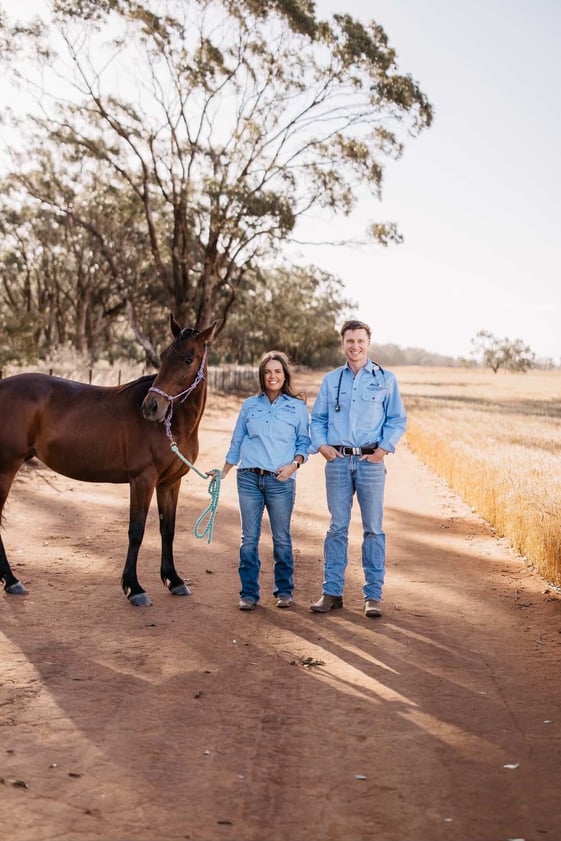
Veterinarians behind the Western Plains Veterinary Service, Grace Glynn and Angus Blackwood. Pic: Supplied
Originally from south west Victoria, Mr Blackwood has spent the past four years working in Far North Queensland. However, over the past few weeks, parts of the Western Plains have tracked temperatures above 45 degrees for multiple days in a row - putting livestock and producers under real pressure.
When asked whether he’s seeing more cases of heat-affected livestock than previous years, Mr Blackwood said it was difficult to compare, as this is his first summer working in the region. Even so, he believes it’s uncommon for a vet to be treating heat stress in production animals, because most producers are already well-prepared.
“Heat stress in pasture/paddock based production animals is often not a condition seen or treated by veterinarians as most producers have got the preventative measures down pat and have strategies in place to minimise the risk”, Mr Blackwood said.
“So it’s probably very rare … that we’re actually treating a heat-affected production animal.”
Mr Blackwood said heat stress occurs when environmental conditions overwhelm an animal’s ability to keep itself cool.
“It’s basically when the environmental conditions exceed a temperature where the animal’s able to regulate its body heat using its normal mechanisms and keep its body organs and normal body processes functioning within the optimal range,” Mr Blackwood said.
“So then it accumulates in the system, and then the animals try and find other ways to clear its heat that might compromise its organ function or its production.”
Mr Blackwood said some animals are more vulnerable than others.
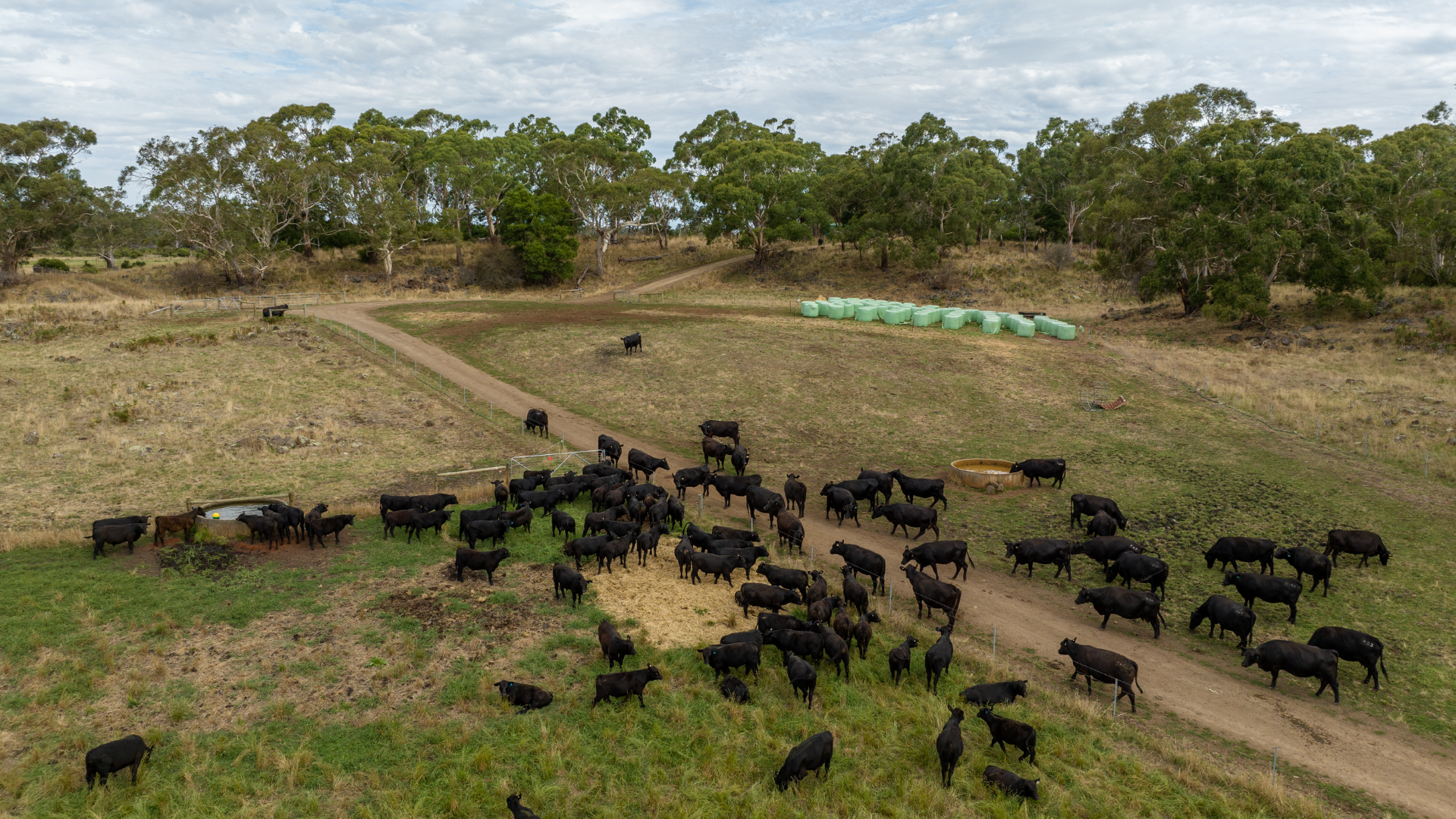
“Heat stress is probably younger animals … heavier animals, and then your British breeds like black cattle,” he said.
He added that animals in tighter conditions can also be at higher risk.
“Anything in feedlot or yard situations where there’s more animals in a smaller area, are more likely to be affected,” Mr Blackwood said.
Mr Blackwood said early signs can be subtle.
“The early signs … might not be noticeable at all, but probably the main one we’d see is animals standing up or separating from the mob,” he said.
“It might be starting to breathe a little heavily and more often … increasing its respiration to try and clear that heat through panting.”
As it worsens, he said signs can escalate.
“That can progress to full panting, salivating and drooling,” Mr Blackwood said.
He said severe cases can look obvious and urgent.
“Standing up with their head and neck stretched out … excessive panting and breathing,” he said.
“And then in the very late stages … an animal being down … which might look like seizure and paddling in a really bad way.”
Mr Blackwood said the signs are broadly similar, but there can be slight differences.
“In cattle, they are more likely to be drooling, extending the head and neck, and sheep may experience more panting,” he said.
Even when stock appear to cope, Mr Blackwood said underlying stresses from heat can affect production animals.
“Cattle might go off their food or eat less during that period,” he said.
“You see decreased weight gain, decreased production.”
He said sheep can also face longer-term impacts.
“In sheep, you can see reduced fertility as well if there’s prolonged periods of heat stress,” Mr Blackwood said.
Mr Blackwood said preparation is key.
“The main thing is being prepared before we’re in a heatwave,” he said.
He said water access is critical - not just having troughs, but ensuring animals can safely use them.
“Making sure troughs aren’t too close to fences,” he said.
“Making sure there’s enough trough space so animals aren’t crowding.”
He said keeping water cooler can help.
“Little things like burying the pipe so the water stays cooler,” Mr Blackwood said.
He also urged producers to check waters early.
“Check the waters during the cooler parts of the day … to make sure troughs are full going into the hot part of the day,” he said.
Shade is also important, but he warned small shaded areas can create crowding.
“If it’s only a really small area of shade available … animals come into really close proximity,” Mr Blackwood said.
“Then they’re also reducing their ability to clear their heat.”
Finally, he said to avoid unnecessary handling in peak heat.
“Not disturbing animals during the hottest parts of the day,” he said.
“Any sort of movement or yarding or stock handling can increase the risk of heat stress.”

 Matt Dalgleish: Oct 20, 2026
There is a growing perception that Australian cattle prices are becoming increasingly volatile, with larger price swings becoming a more prominent...
 Ripley Atkinson