
1 min read

How to reduce the impact of cold weather on cattle

How to reduce the impact of cold weather on cattle

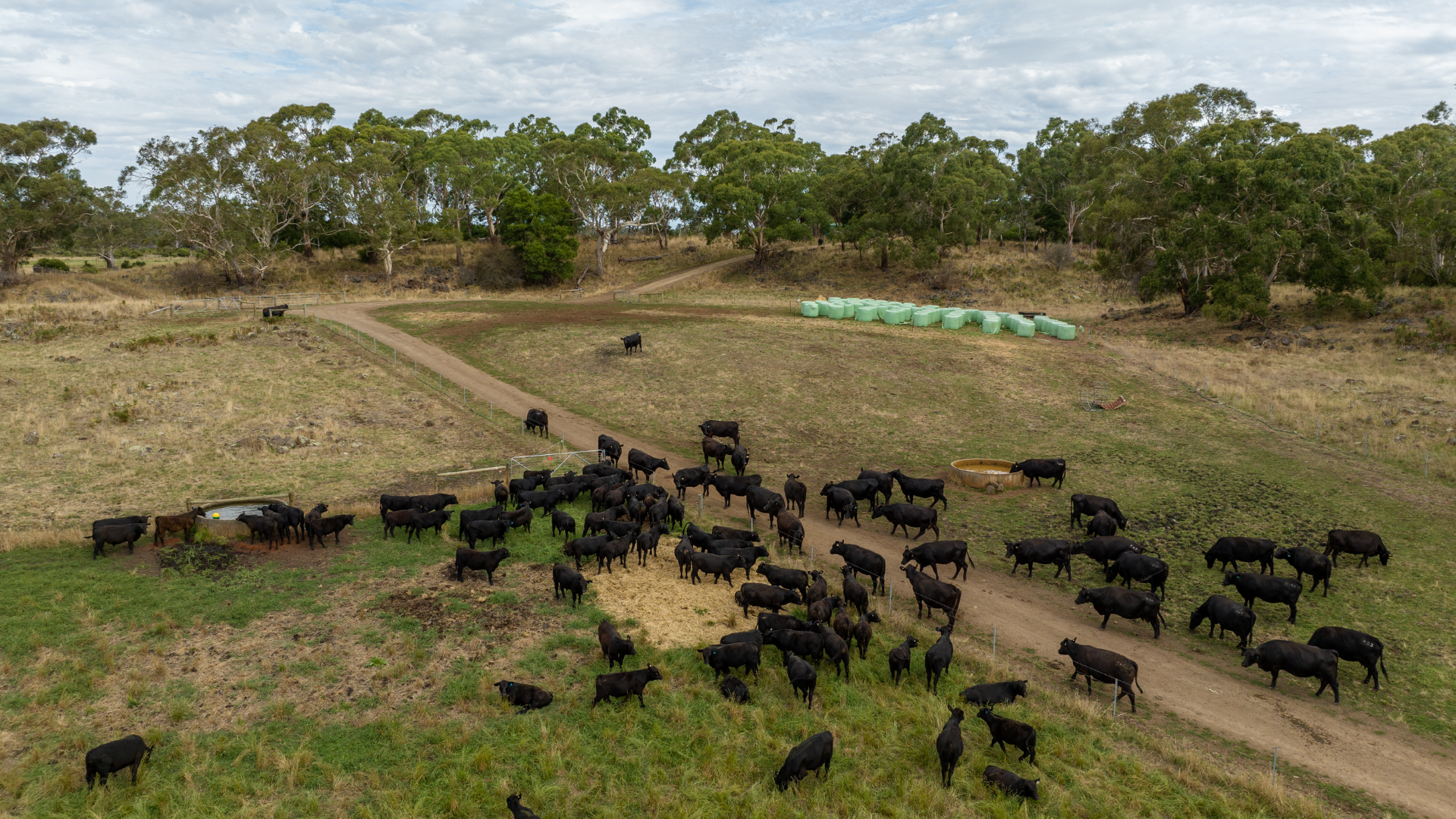
Reducing the impacts of cold weather on cattle is essential to both animal production and welfare.

During cold weather, the energy requirements of a cow can increase by up to 20%, with lighter cows being more affected than those in adequate condition.

Agriculture Victoria Livestock Industry Development Officer Nick Linden said the impact of cold weather, particularly when combined with wet and windy conditions and low pasture availability, can severely affect cows that are already low in body condition.

“It is important to keep an eye on the forecast weather conditions and if possible, move cattle into sheltered paddocks or those with windbreaks. This will reduce the impacts of chill by keeping animals out of the wind and give a better return on supplementary feeding,” Mr Linden said.

“Poorer condition cows have a higher maintenance requirement through winter as they have to work harder to stay warm.

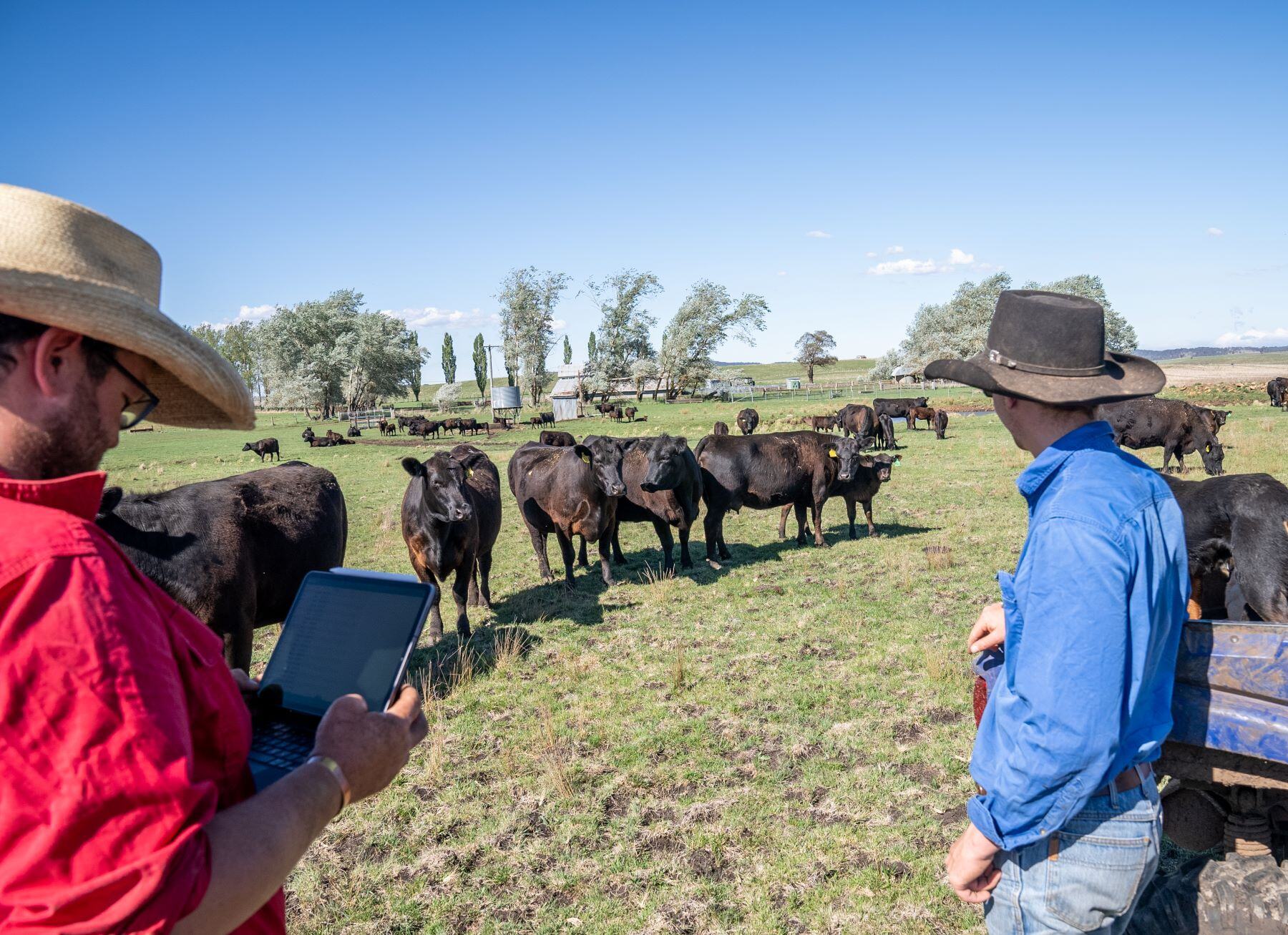
“Separating the lighter condition cows will enable producers to better manage these in-need cows with a specific feed and supplement plan and reduce competition for feed.

“Lighter cows will suffer more from cold stress than fatter cows - fat is an excellent source of insulation as well as being an important energy reserve. We really need to look out for the lighter cows.”

Lighter cows can also result in weaker calves being born in the spring, poor joining rates for autumn calvers or cow mortality.

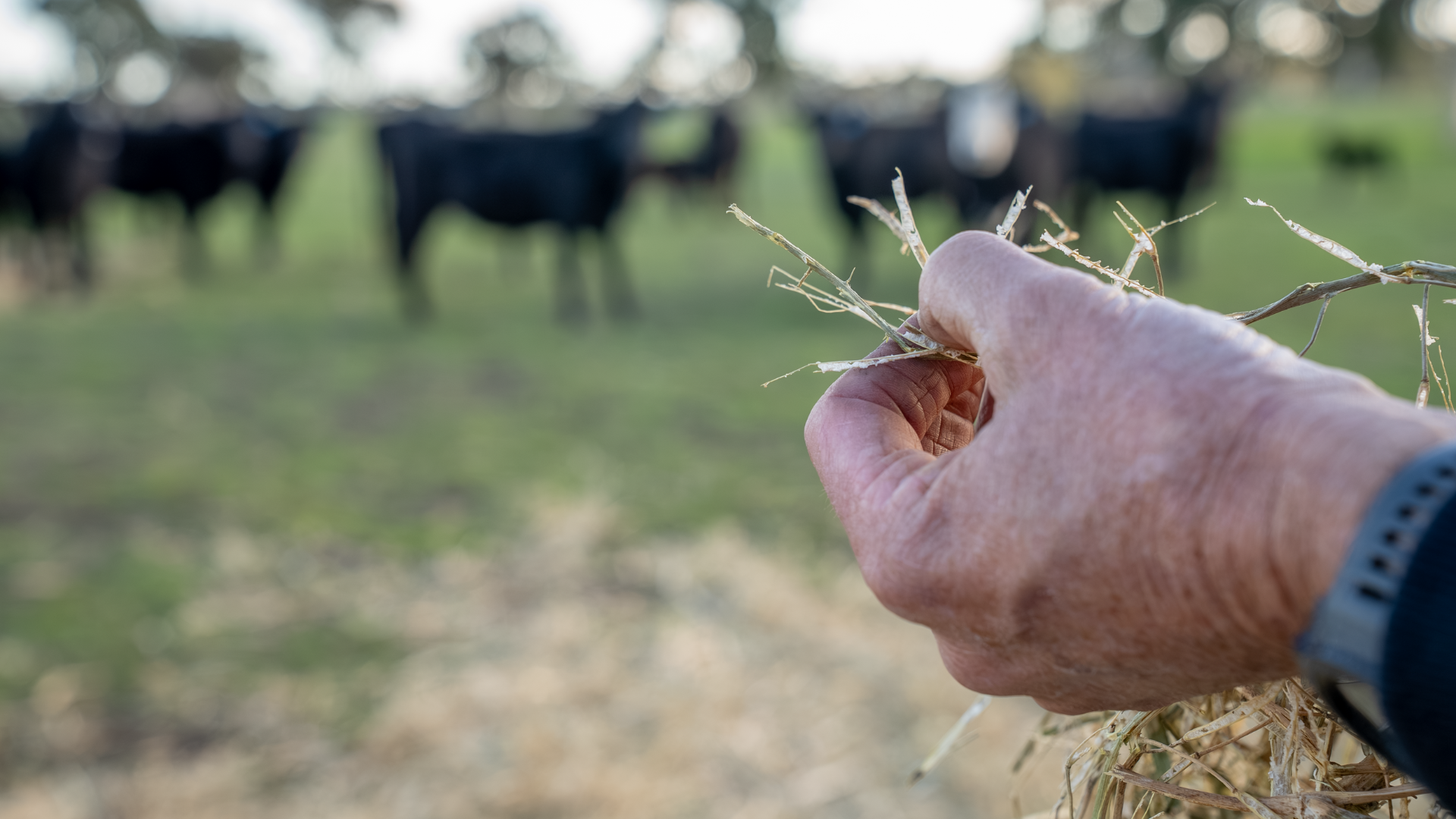
Mr Linden said hungry cows can be cold cows and cattle will eat more in cold weather to generate body heat. Roughages like hay are broken down by microbial action, and this process generates heat. In addition to roughage, it’s important to keep an eye on the protein and energy levels of the diet.

“While consuming roughages will help the cattle to stay warm, it is important to ensure adequate protein in the diet to feed the rumen bacteria,” he said.

“Without the rumen bacteria being well fed, cattle will struggle to consume the roughages needed to generate heat and stay productive.

“Managing lighter condition cows separately, using sheltered areas of the farm, knowing the energy and protein of the supplements being fed and monitoring fat scores of stock through winter are all important ways to minimise the impacts of cold weather on your stock, especially for animals in lighter condition as a result of the late autumn break experienced in many parts of the state.”

Why the cattle herd is unlikely enter a rebuild in 2026

Why the cattle herd is unlikely enter a rebuild in 2026

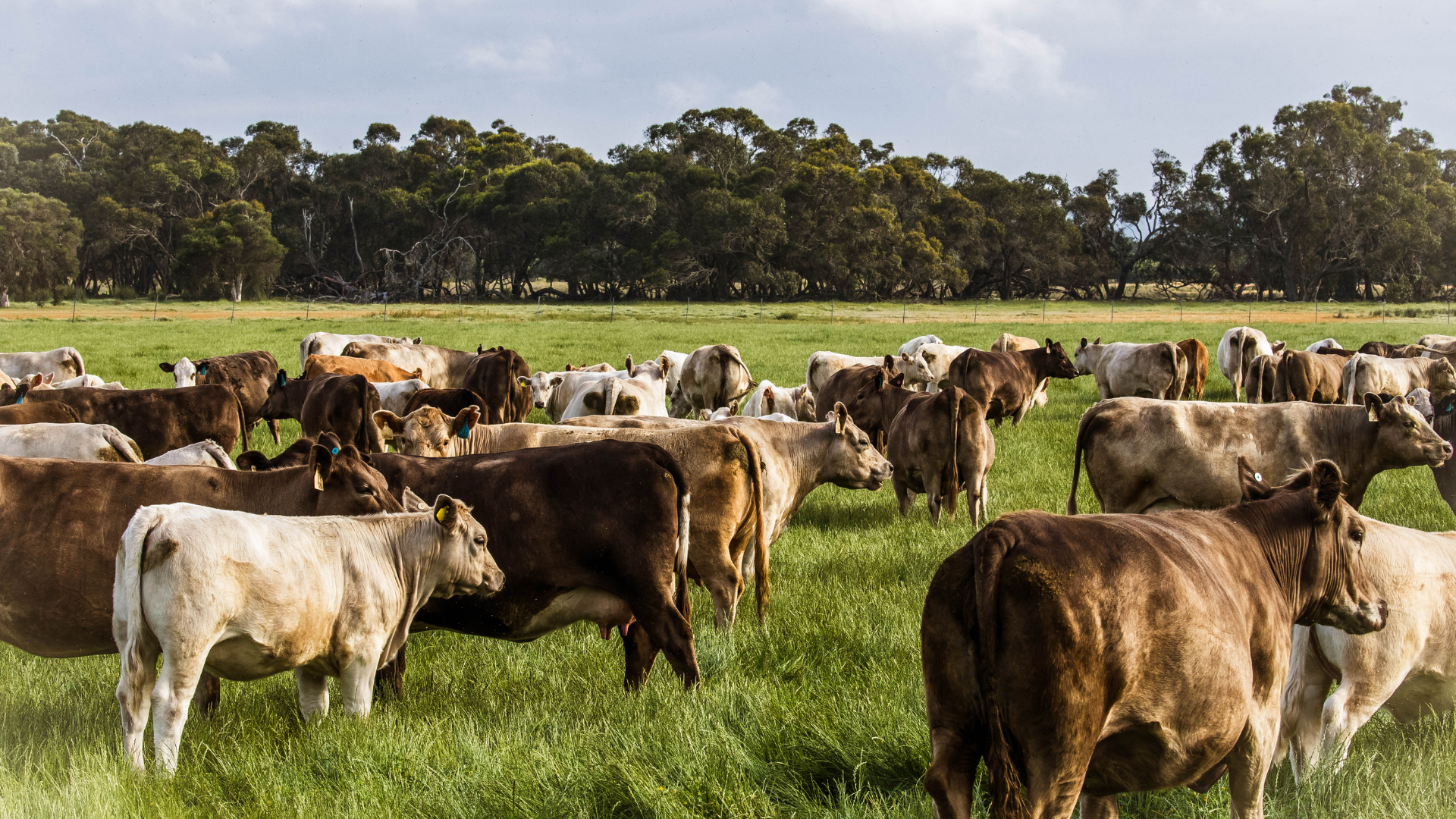
Much has been discussed in industry circles and events in recent months, around the big question of whether the herd will rebuild in 2026.

Read More >
Hay and feed grain rally starting in the north

Hay and feed grain rally starting in the north

Last year it felt like we were writing about tariff impacts every week, this year it’s the Middle East conflict and subsequent rising cost of energy....

Read More >
Southern markets transition to seasonally tight supply

Southern markets transition to seasonally tight supply

Since mid-March, east coast cattle markets have been battered by the sustained forced turnoff from areas south of the Warrego highway in Queensland...

Read More >