
Northern rain and the cost of freight
 Andrew Woods: Oct 14, 2026
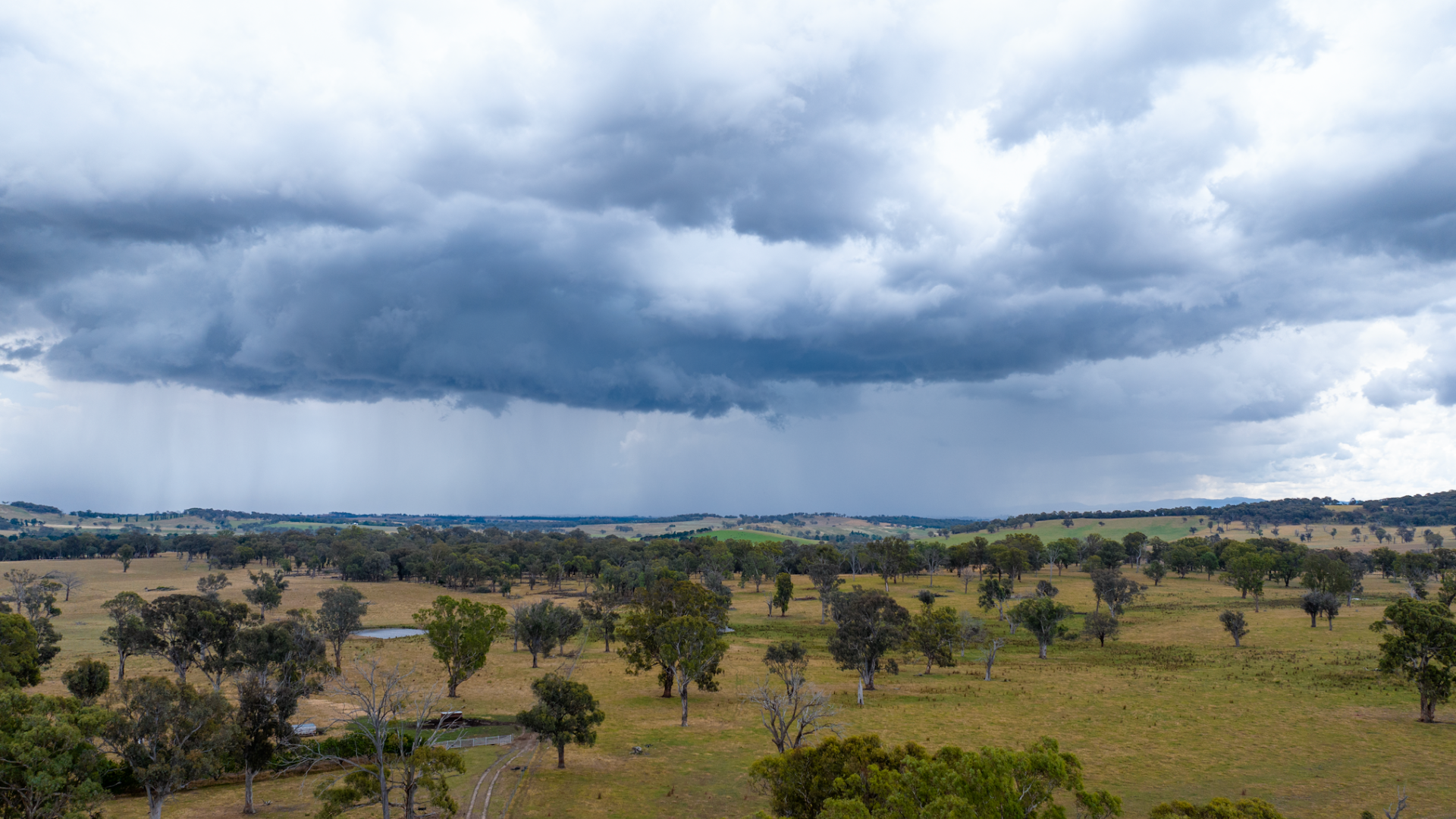
The forecast is looking promising for vast parts of Queensland and Northern NSW for the coming week.If you are looking for rain, of course.Rain will...
The Australian Bureau of Statistic (ABS) quarterly livestock products data dropped last week. While the data is seven weeks old, it is the only data we have on lamb and mutton production, and therefore carcase weights. We have a new record for lamb weights.
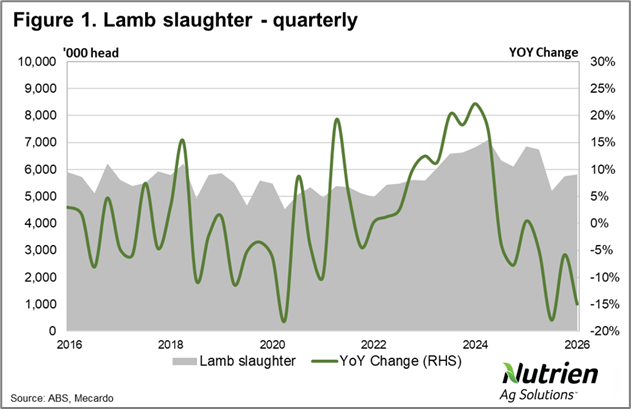
Lamb slaughter for the March quarter was down 15%, which is to be expected given the decline in the flock, and the drive to restock. Figure 1 shows that while slaughter was down, the quarterly level was still at levels which would have been considered very strong, before the peaks of 2023-2025.
Lamb meat production was also down, but only by 9.7%. Lamb production in the March quarter was the third highest on record for that period, and 5.5% above the five-year average. Increased weights of slaughter lambs have driven the continuation of strong lamb supply.
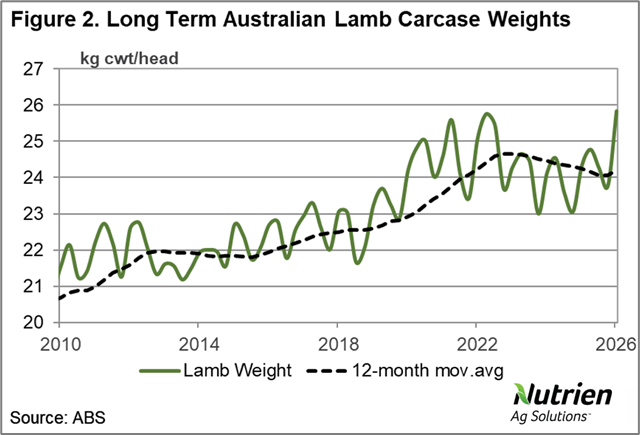
With fewer lambs, a boom in lot feeding, and increasing grid weights, lamb slaughter weights responded strongly in March. Figure 2 shows the average slaughter weight for lambs lifted 2kgs on December, and 1.5kgs on March last year to hit a new record of 25.84kgs per head. The March figure marginally eclipsed the June 2022 figure of 25.76kgs.
Slaughter weights increased in all states, with South Australia producing the heaviest lambs at 27.3kgs, while Tasmania was the lowest (excluding small numbers in Queensland) at 23.1kgs. Victoria, the largest lamb slaughter state, had an average weight of 25.6kgs, which, like Tasmania, might reflect the higher proportion of pasture finished lambs.
When lamb prices are strong, and feed prices are relatively weak, it makes sense to put more weight on lambs in grain feeding situations. When producers are pushing weights higher, it means processors who want lighter lambs have to pay more to get them to market earlier. Figure 3 shows the National Heavy Lamb Indicator dipping below the Eastern States Trade Lamb Indicator (ESTLI) thus far in 2026.
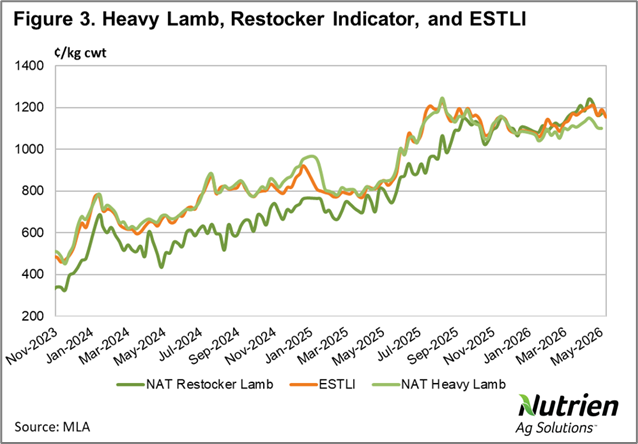
The difference of 80-100¢/kg cwt means that lambs which are 24kgs are making similar money to 26kg lambs. It’s likely many lambs are getting pushed out to 28- 30kgs, as it still makes sense to gain weights until the top of the grid is reached in the low 30kg range.
It’s reasonable to expect lamb slaughter weights to hit another record in the June quarter, with the incentive to push weights still in place. The relatively tight supply of lighter lambs will likely remain in place until new season lambs start coming market, in August and September.
ABS official lamb slaughter data shows a significant decrease on last year in March quarter.
Lamb meat production didn’t fall as far thanks to higher slaughter weights.
A larger proportion of heavy lambs saw the heavy discount widen in early 2026.
 Angus Brown brings over 20 years of expertise analysing Australian agricultural markets, and also runs a mixed farming operation in Hamilton, Victoria.

 Andrew Woods: Oct 14, 2026
The forecast is looking promising for vast parts of Queensland and Northern NSW for the coming week.If you are looking for rain, of course.Rain will...
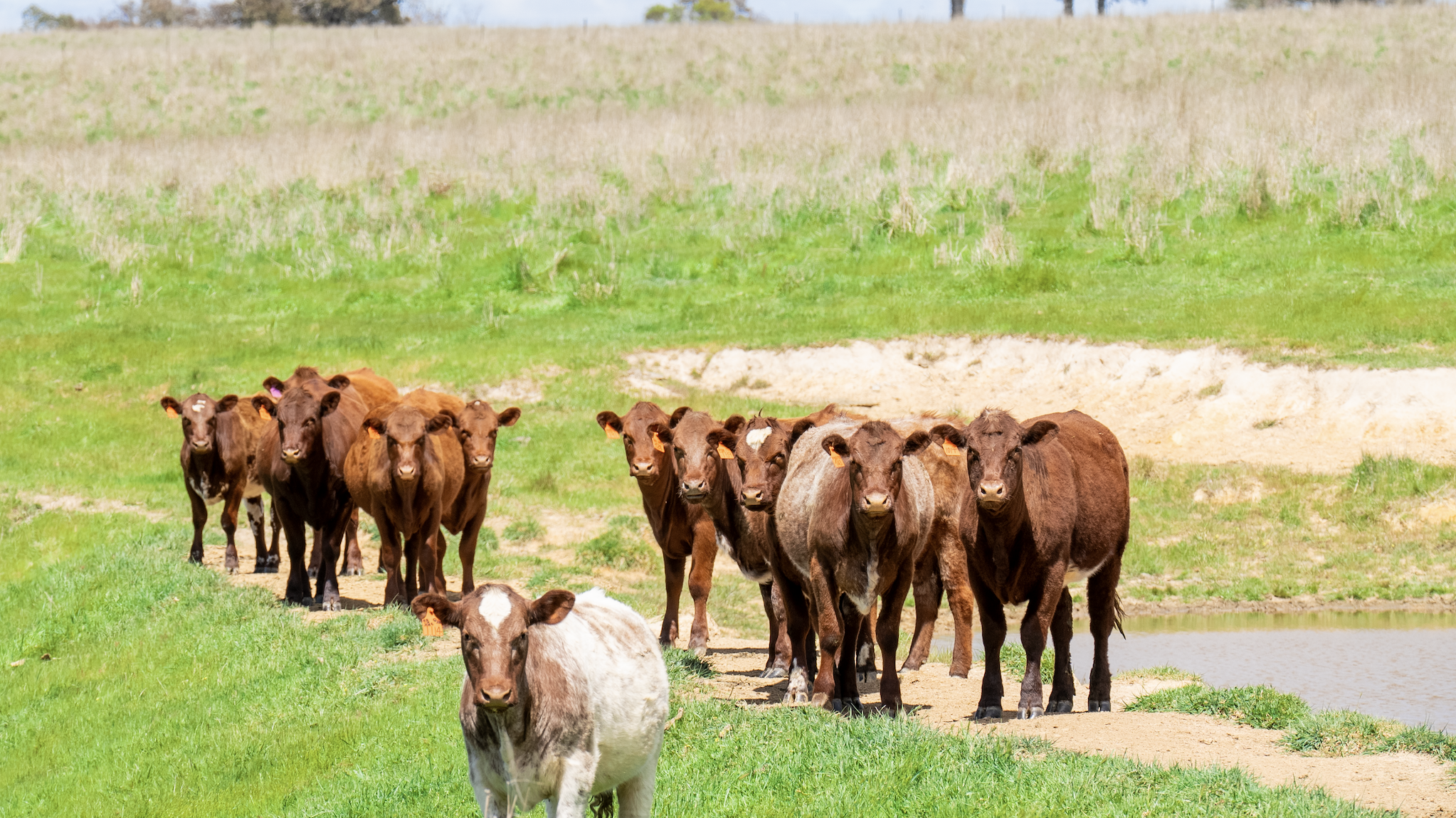
Grass is setting the pace in the cattle market, with restockers outbidding feedlots and processors on AuctionsPlus last week.
 Natasha Lobban: Oct 8, 2026
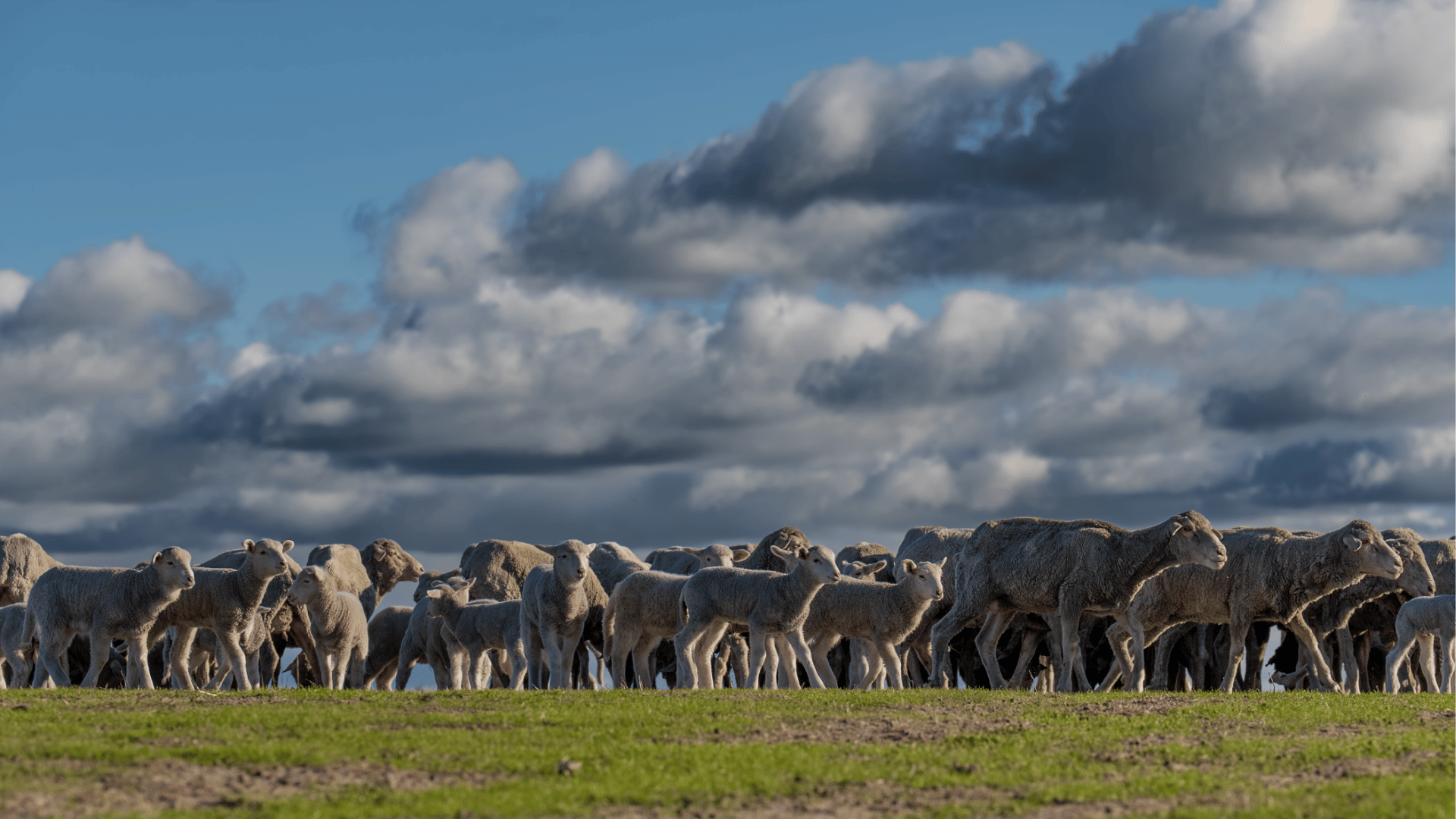
AuctionsPlus has recorded its biggest September for new season lambs in the past decade, with 218,871 head offered across the month.