
Little fanfare for record trades and mutton
There hasn’t been a lot of fanfare, as prices have been strong for some time, increases are marginal, and the heavy end is lagging. The Eastern...
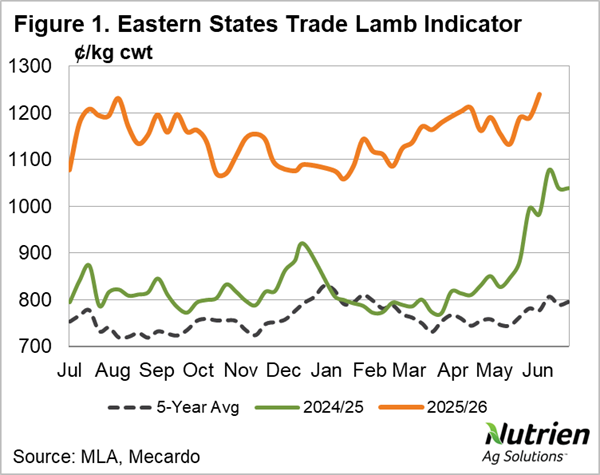
There hasn’t been a lot of fanfare, as prices have been strong for some time, increases are marginal, and the heavy end is lagging. The Eastern States Trade Lamb Indicator (ESTLI) hit a new record last week, with mutton also breaking new ground.
Back in August 2025 the ESTLI hit a peak of 1231¢/kg cwt, marking the highest point for the indicator on record. Since then, we’ve seen the ESTLI weaken somewhat, but it has maintained extreme levels for all of the 2025-26 selling season.
Last week the ESTLI made a jump higher, it was not huge in percentage terms, but the lift to 1240¢/kg cwt marks a new record. The lack of fanfare has a little to do with the relatively weak heavy lamb price.

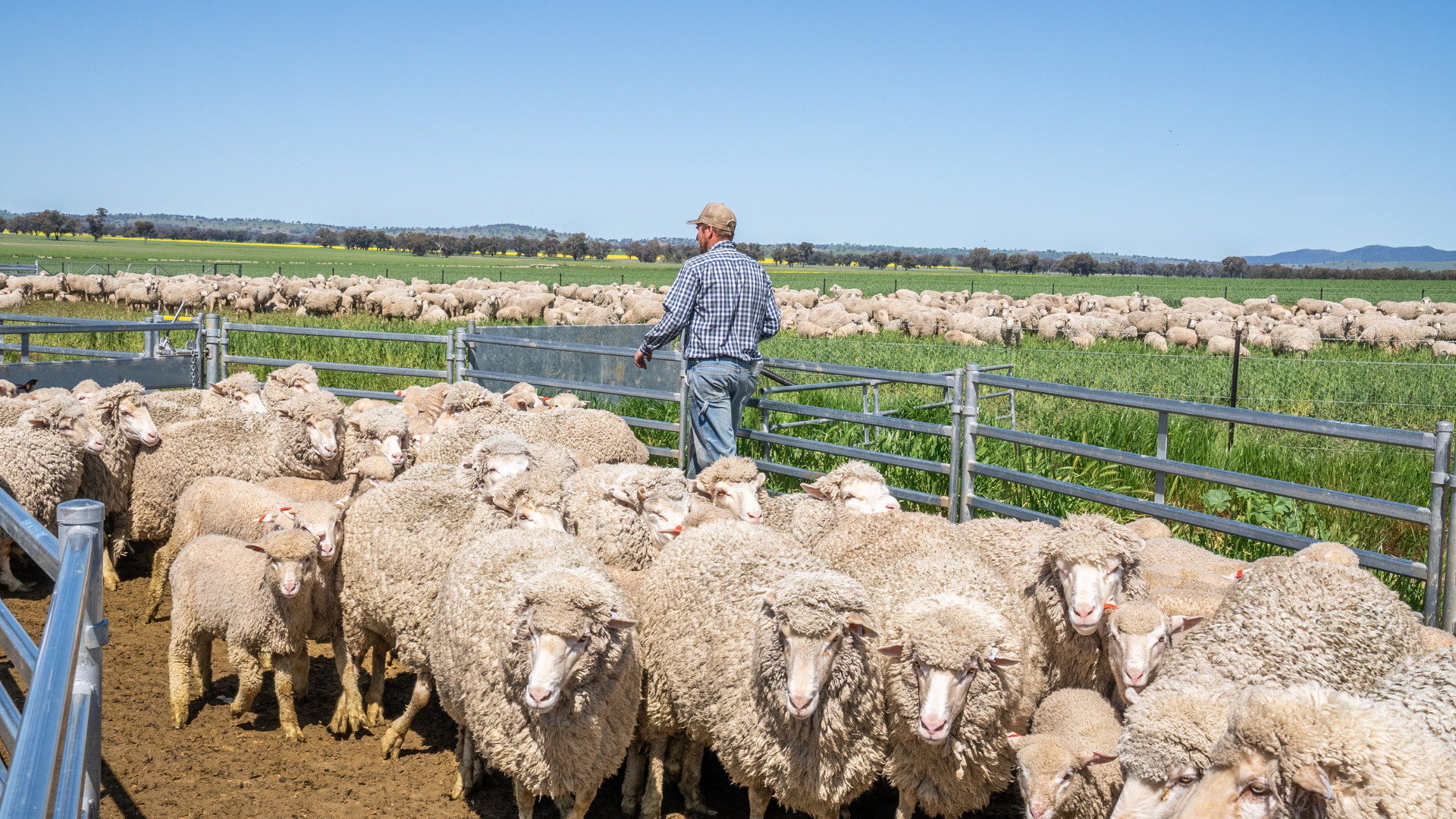
It has taken a while to play out, but two extremely dry years in southern sheep zones has seen a boom in sheep and lamb feeding facilities. The boom has no doubt been assisted by lamb prices outstripping the cost of gain, making feeding lambs a profitable enterprise. When lambs are above 1000¢/kg there is plenty of incentive to continue to pile on the weight in an intensive feeding situation.

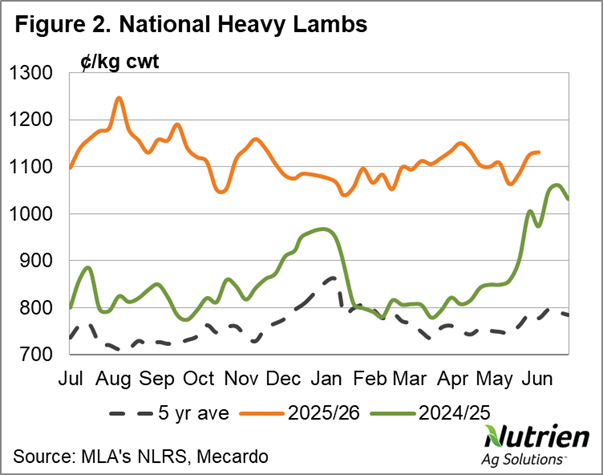
Figure 2 shows the impact on markets. The National Heavy Lamb Indicator is around 100¢ behind the peaks of 2025 and at a similar discount to trade lambs. The higher proportion of trade lambs in the market, along with feeder competition for processors trying to buy trade lambs, has led to a heavy lamb discount at a time of year when they are usually at a premium.
Mutton prices also hit a record last week. After consistently rising from the low induced by the northern NSW autumn sell off, the National Mutton Indicator hit 858¢/kg cwt last week. It was only 13 months ago that the ESTLI was at 800¢, such is the boom in sheepmeat markets.
The flock rebuild is limiting sheep supply, and winter is traditionally a time of tight numbers and high prices.
We’re approaching the time of year when processors shut down for maintenance, which will take some demand out of the market. This should see markets steady at some stage, but the coming short week will be telling as to where the peaks will be.
If this is the peak in lamb and mutton, it’s come early. It is some time until August when prices generally turn downwards as new season lambs rush to market to take advantage of high prices. Flock rebuilds tend to extend peaks, but we need to keep the forecast El Nino in mind.
Trade lamb and mutton indicators reached new record highs last week.
Heavy lamb prices are lagging as supply remains relatively strong.
Prices usually don’t turn lower until August, but El Nino remains a factor.
Angus Brown brings over 20 years of expertise analysing Australian agricultural markets, and also runs a mixed farming operation in Hamilton, Victoria.
There hasn’t been a lot of fanfare, as prices have been strong for some time, increases are marginal, and the heavy end is lagging. The Eastern...
May brought solid rain to much of the eastern seaboard, but the year-to-date picture tells a different story. Across inland NSW, Victoria and SA,...
The end of March seems a lifetime ago given what has gone down in cattle markets since. But it is the end of March slaughter and beef production data...