Why the cattle herd is unlikely enter a rebuild in 2026
Much has been discussed in industry circles and events in recent months, around the big question of whether the herd will rebuild in 2026.
1 min read
Emily Tan - MLA Market Information Analyst : Oct 28, 2024
Lamb prices have bounced back to late 2021 and early 2022 levels.
Producer cautiousness will likely impact market prices.
Seasonal conditions have impacted quality and timing of new season lambs being sold.
The spring flush is in full swing, with more new-season lambs hitting the market. However, after a turbulent 18-month period in the livestock market, producers are increasingly cautious about their stocking decisions.
Over the third quarter, lamb prices began to rise in June, peaking in July as supply slowed. On average, prices increased by 12–25% during the quarter and have since stabilised at around 800 to 820¢/kg carcase weight (cwt) for the Heavy and Trade Lamb Indicators.
Higher-quality lambs have commanded the best prices, while lower-quality stock has experienced less demand. This has led buyers to focus on heavy lambs, pushing prices close to $300 at Wagga Wagga, NSW. Although prices have returned to late 2021 and early 2022 levels, it is unlikely they will continue to reach new highs. Mutton prices have dropped by 24% since early July, potentially driven by the early turn-off of older breeding ewes.
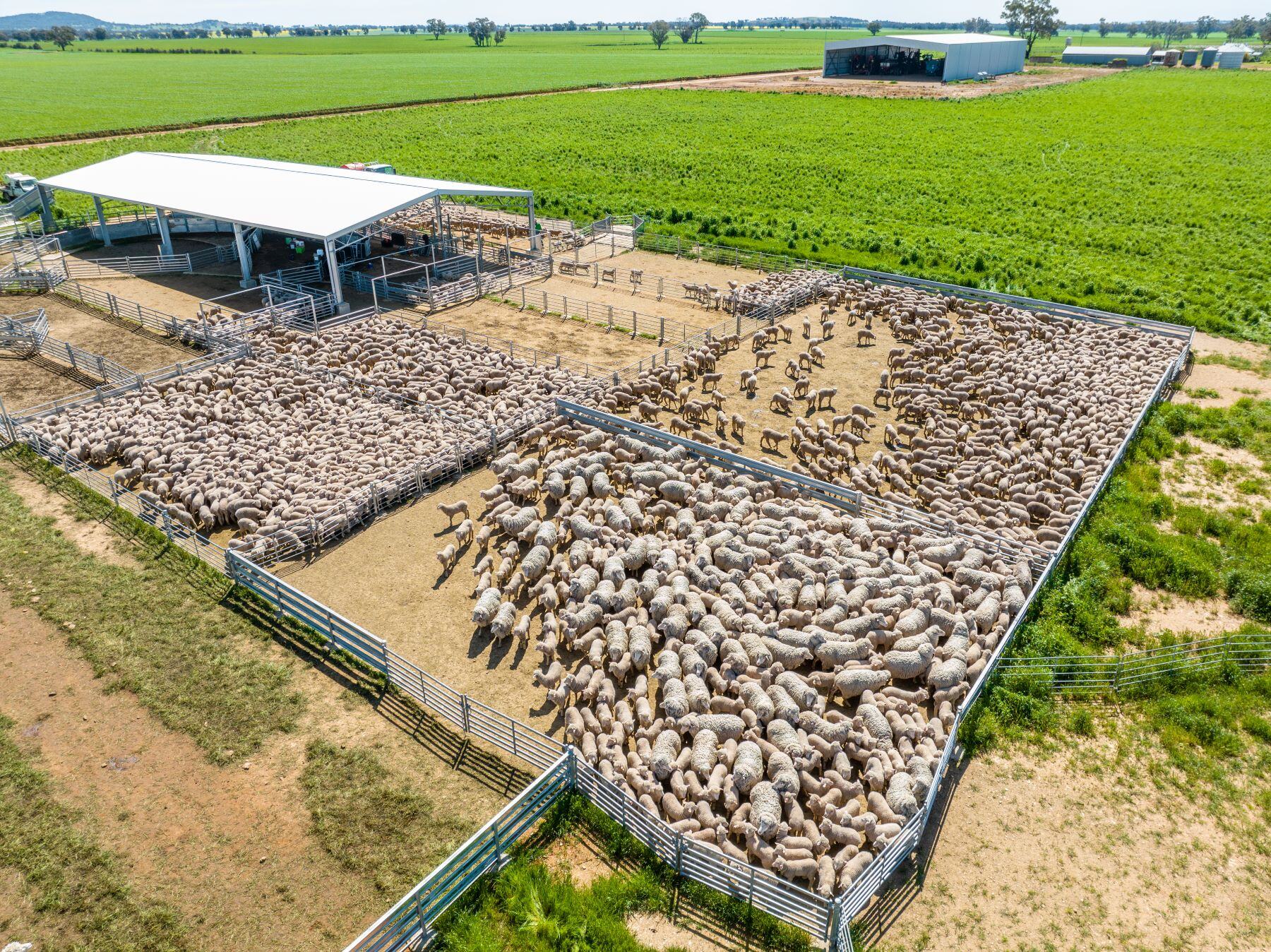
A stellar season in NSW has resulted in more new-season lambs coming to market earlier than in Victoria. The market witnessed a 20–40% increase in lamb supply compared to 2023 during the third quarter. NSW lamb yardings increased by almost 2% compared to last year as new-season lambs began arriving by mid-August. In contrast, Victorian yardings in September were down by 5% compared to last year.
The seasonal conditions in Victorian have resulted in lighter new-season lambs and a higher number of lambs under 22kg cwt. In early September, there were reports of ewes being sold earlier in the hopes of keeping younger lambs to sell in early spring. Better-quality, heavier lambs are becoming scarce at Victorian saleyards.
It is a tale of two states, with NSW experiencing one of its strongest seasons, marked by a higher number of heavy lambs, while Victorian saleyards have seen more lighter lambs and older ewes being sold.
Much has been discussed in industry circles and events in recent months, around the big question of whether the herd will rebuild in 2026.
Last year it felt like we were writing about tariff impacts every week, this year it’s the Middle East conflict and subsequent rising cost of energy....
Since mid-March, east coast cattle markets have been battered by the sustained forced turnoff from areas south of the Warrego highway in Queensland...