
 Andrew Woods
Northern rain and the cost of freight
 Andrew Woods: Oct 14, 2026
The forecast is looking promising for vast parts of Queensland and Northern NSW for the coming week.If you are looking for rain, of course.Rain will...
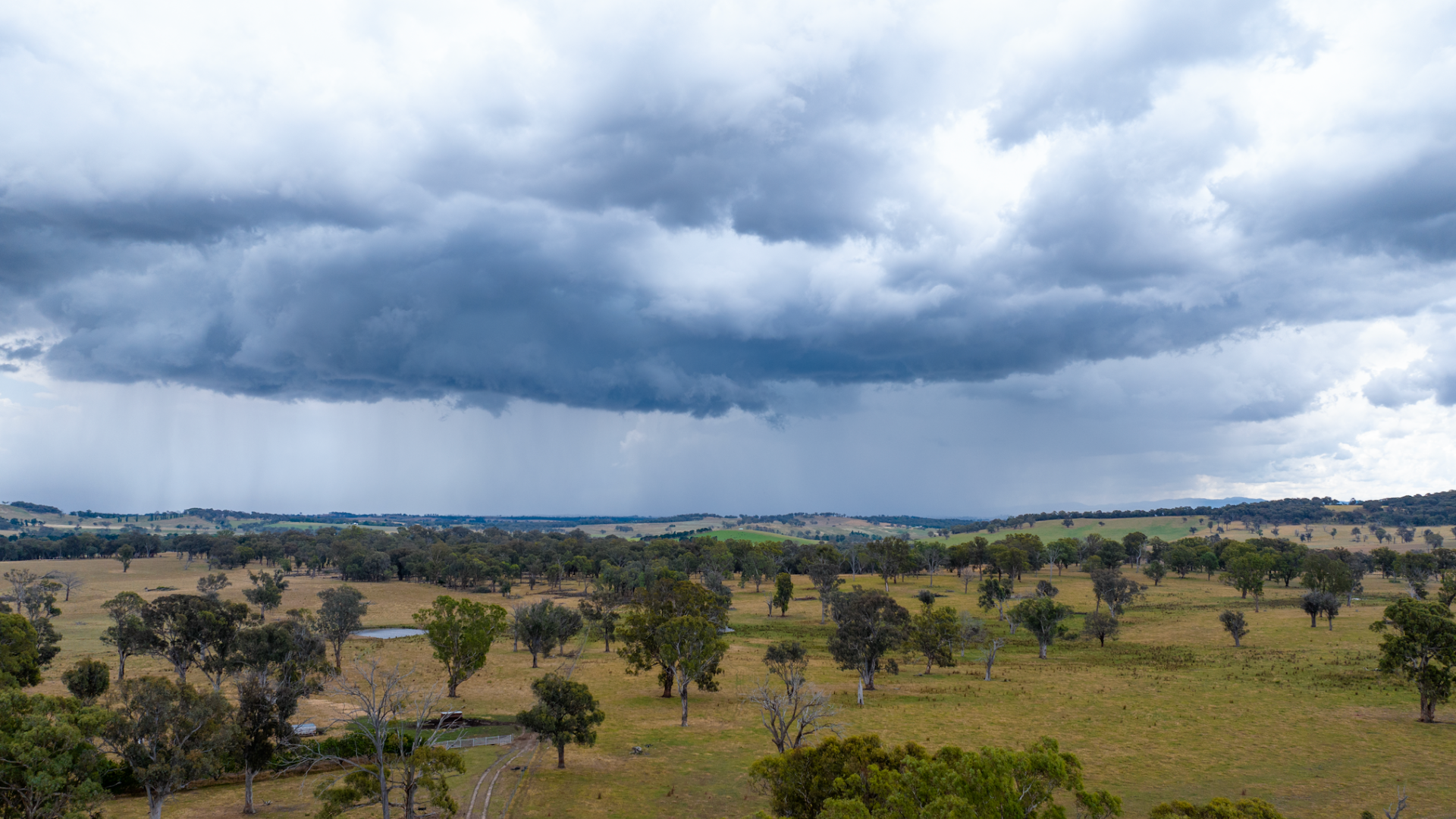
The forecast is looking promising for vast parts of Queensland and Northern NSW for the coming week. If you are looking for rain, of course. Rain will impact supply, and the price of diesel is high again, so it’s time to take another look at price spreads.
Rainfall patterns continue to defy the El Nino forecasts. For a few weeks now, weather models have turned more towards wet than dry. The fact that sea surface temperatures in the Pacific have never been this warm is throwing up unprecedented results.
The coming week is a case in point, with a weather system coming through which will deliver much of the October average rainfall to southeast Queensland and Northern NSW. After a dry September, which has in part contributed to falling cattle prices, this system should tighten supply and support prices.
The discount of northern finished cattle to those in the south is generally at its widest in late winter and early spring. As southern supply improves, and northern supply wanes through spring, this discount narrows, and that is what we have seen in late September and early October.
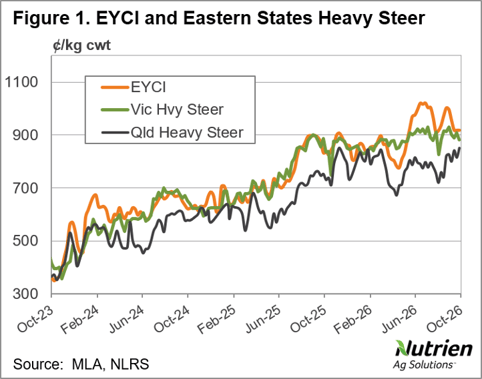
Figure 1 shows the Eastern Young Cattle Indicator (EYCI), along with the Queensland Heavy Steer Indicator, and the Victorian Heavy Steer. Since the start of September, the Queensland discount has narrowed from 170¢/kg cwt to just 31¢/kg. For a 650kg lwt steer, the spread has narrowed from $1,040 per head to $195, which is a massive difference.
The price of diesel has driven up freight costs, and we can break down a $1.80 to $2.80 increase in the price of diesel. Increasing diesel prices by $1/L comes in at 2.5-3¢/kg cwt increase in cost per 1000km for heavy cattle.
If we work on 54 head of heavy steers, a price difference of $195/hd, it comes in at $10,530 per load. Depending on how far cattle are being carted, the margins on shipping cattle south will be significantly tightening.
Young cattle markets will be an interesting study if the forecast rain appears. Figure 1 shows the EYCI has fallen back in line with Victorian Heavy Steers. Good rain will tighten supply and boost demand, which will see young cattle prices head back to recent highs, or possibly higher.
Cattle suitable for processors have a little further to increase in the north, but the top is likely limited to what processors are paying in the south.
Recent volatility in young cattle markets is likely to continue. Strong export beef markets, feeder cattle values and low grain prices are keeping a floor under the heavier end of the market, but light cattle will swing wildly on rainfall and sentiment.
 Andrew Woods is the founder of Independent Commodity Services providing tailored insights to growers, brokers, traders and exporters, with decades of experience, Andrew’s analysis bridges practical farming knowledge and market expertise, with a strong focus on the wool industry.
 Andrew Woods: Oct 14, 2026
The forecast is looking promising for vast parts of Queensland and Northern NSW for the coming week.If you are looking for rain, of course.Rain will...
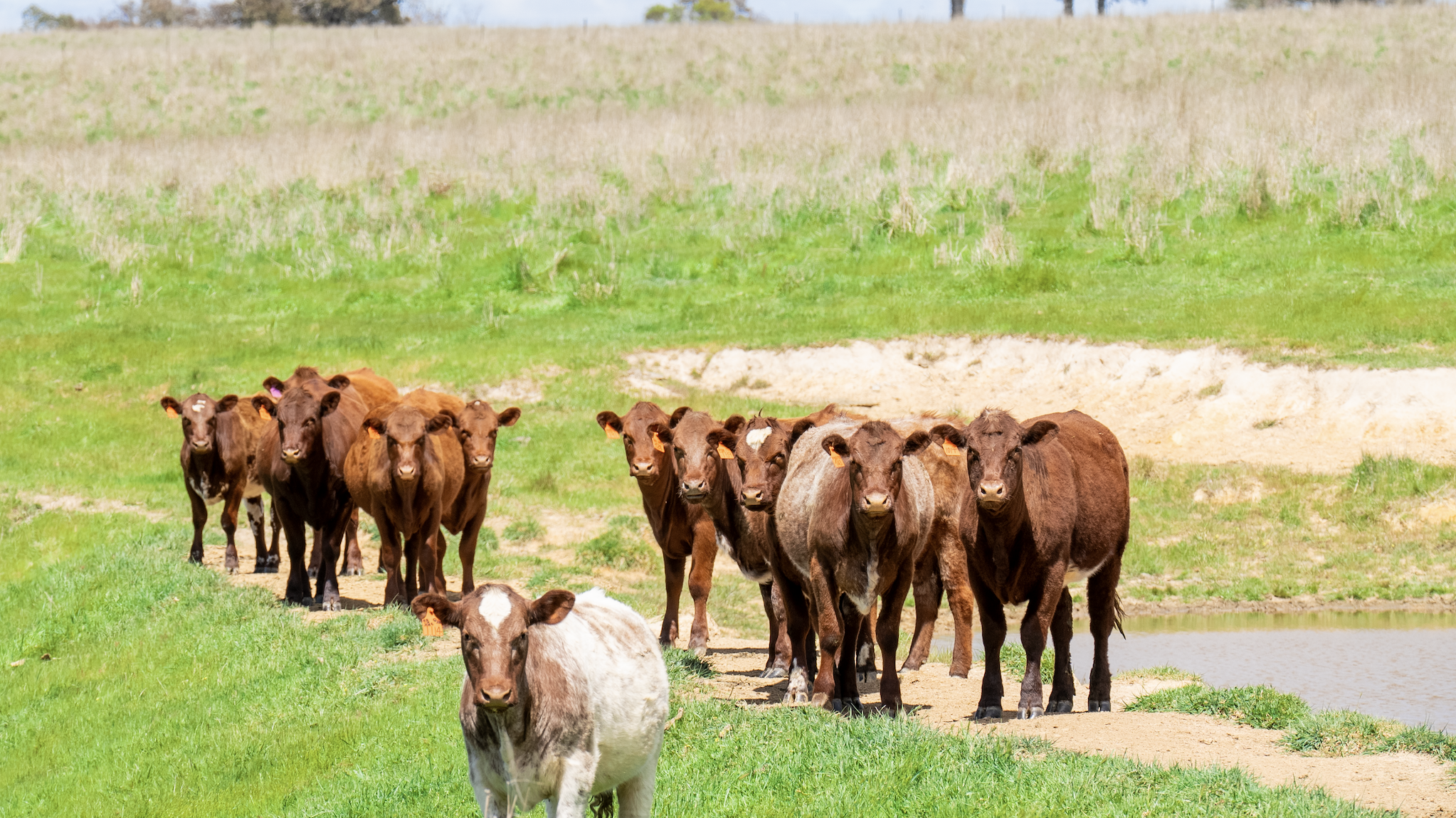
Grass is setting the pace in the cattle market, with restockers outbidding feedlots and processors on AuctionsPlus last week.
 Natasha Lobban: Oct 8, 2026
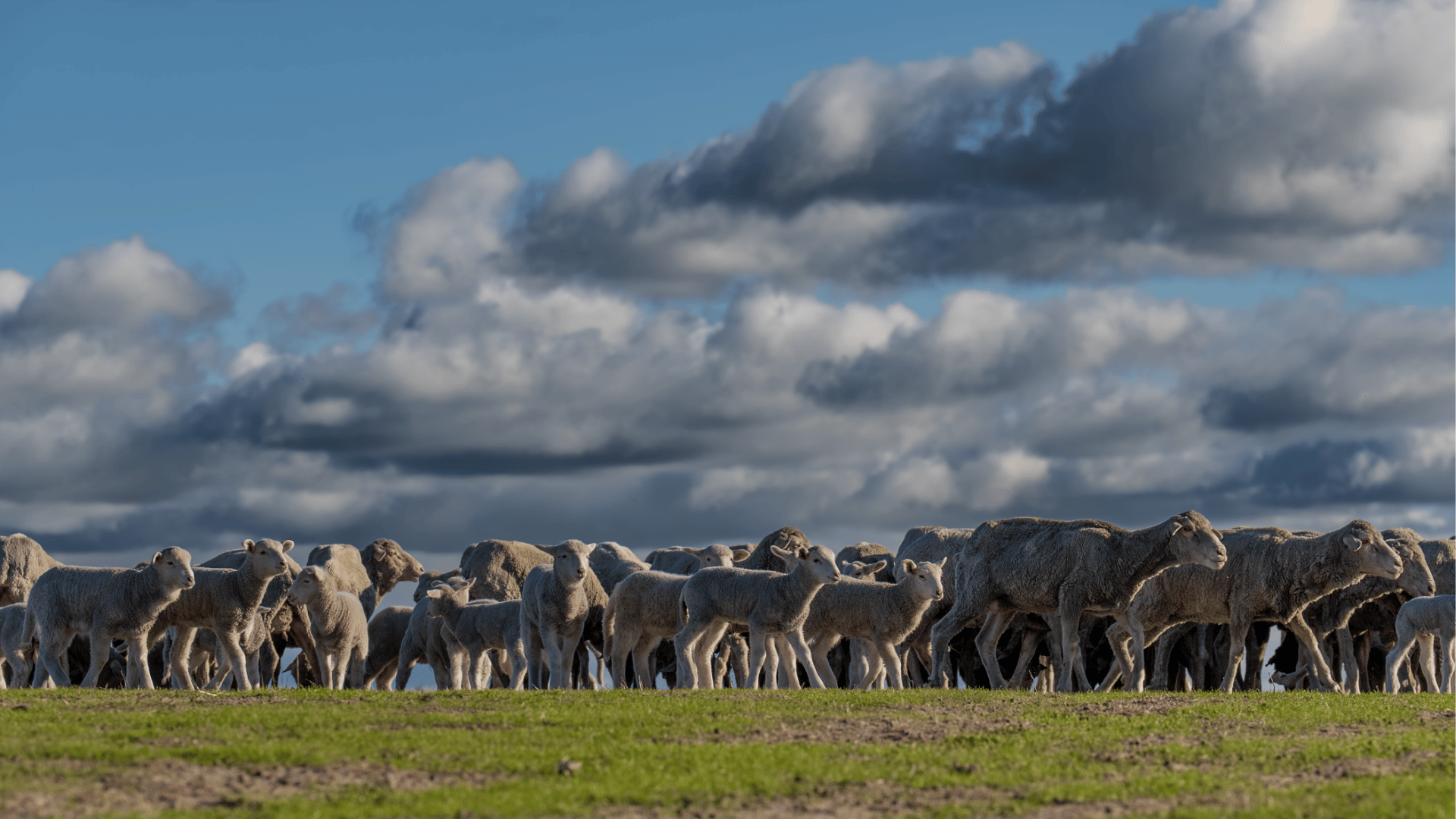
AuctionsPlus has recorded its biggest September for new season lambs in the past decade, with 218,871 head offered across the month.