
Northern rain and the cost of freight
 Andrew Woods: Oct 14, 2026
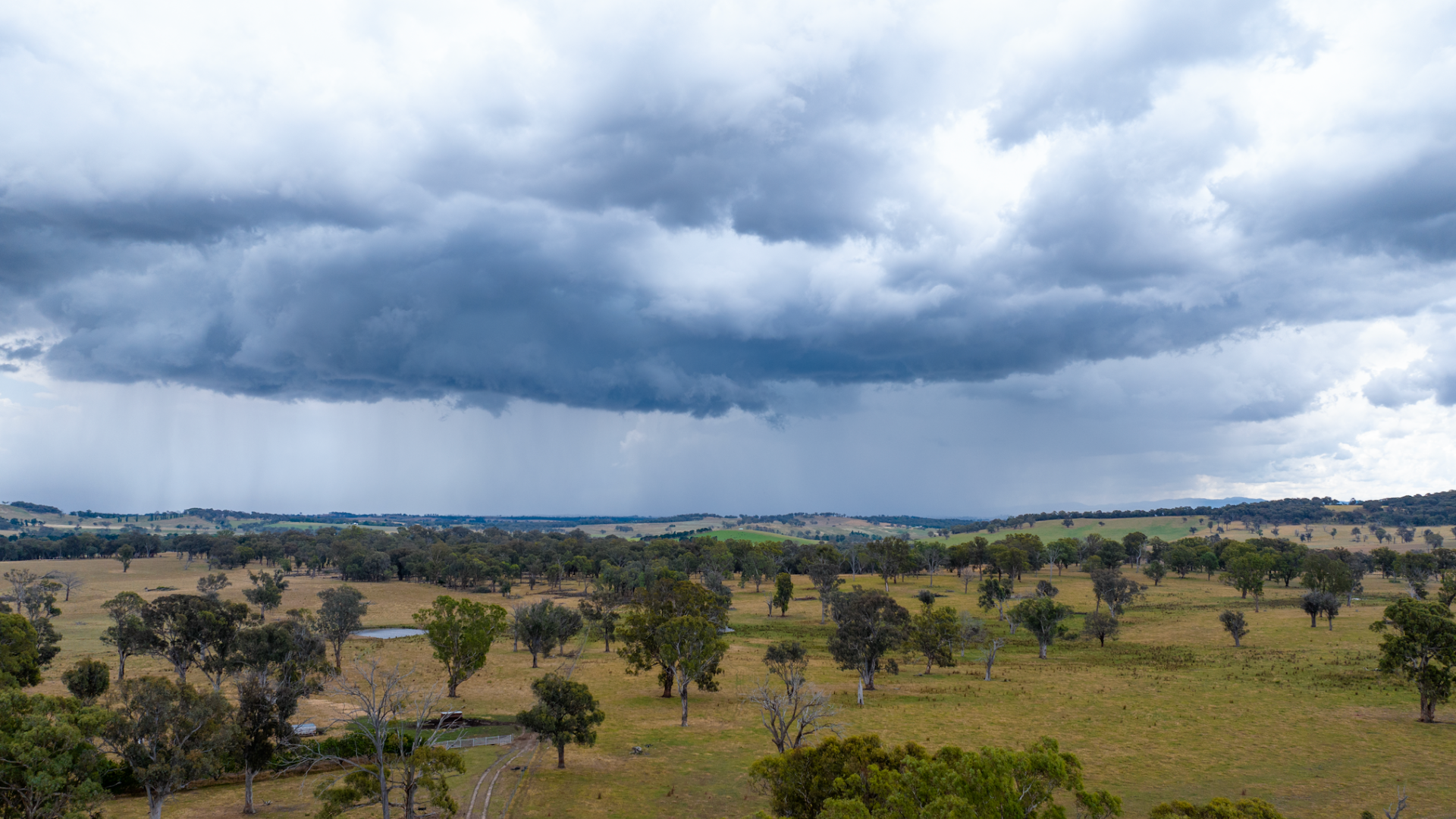
The forecast is looking promising for vast parts of Queensland and Northern NSW for the coming week.If you are looking for rain, of course.Rain will...
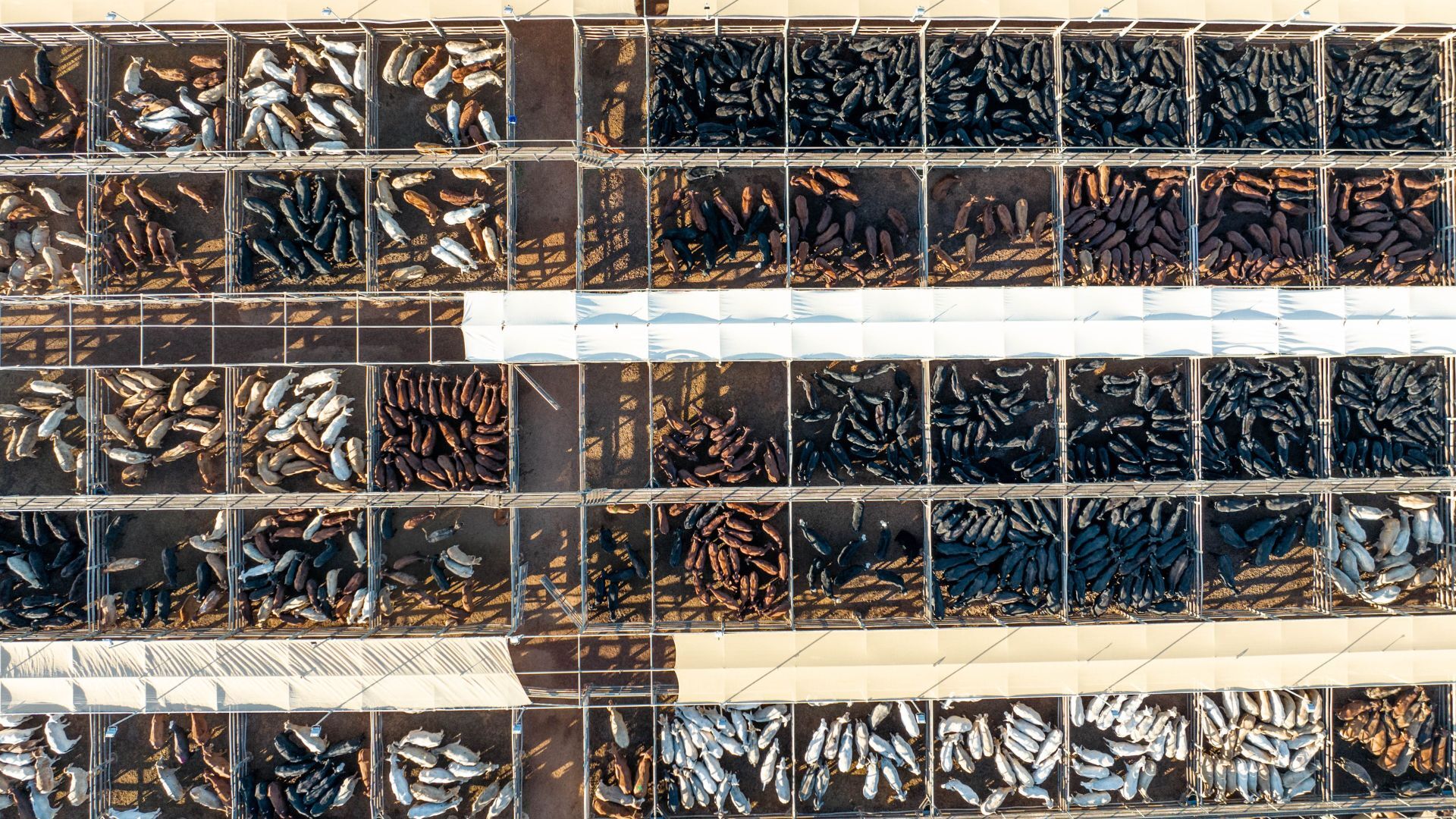
The Australian Bureau of Statistics (ABS) has released livestock slaughter and production data for the third quarter of the 2025 calendar year. Australia’s cattle industry continues to set new benchmarks, confirming record beef production for the September quarter.
The Australian cattle sector continues to break records as Q3 ABS data is released. With positive conditions holding on across northern Australia, production has continued to climb – reaching records once again.
Cattle slaughter reached 2.48 million head, up 6% on the previous quarter and 10% year-on-year.
Queensland led the charge, recording one of the largest processing quarters ever, while NSW and Victoria also posted strong numbers.
Beef production hit a quarterly record of 759,270 tonnes, with NSW, Victoria and Queensland all setting new highs. Only Tasmania saw a slight decline.
Carcase weights remained steady at 307kg − slightly below last year’s average but consistent with seasonal trends. Female slaughter rates eased nationally to 53% (down from 54.5% in Q2) with reductions in NSW and Queensland, following record highs earlier in the year. WA was the only state to increase female slaughter.
National sheep slaughter fell to 2 million head, down 20% on the previous quarter and 26% below Q3 2024. NSW recorded the largest drop, falling by 190,000 head to 740,000, followed by WA and SA. Victoria remained the largest turnoff state with 825,600 head but was down 5%.
Mutton production mirrored this trend, dropping 13% to 52,341 tonnes − the lowest since Q3 2022. Victoria was the only state to lift output, rising 5% to 19,816 tonnes. NSW, SA and WA all recorded double-digit declines.
Despite lower volumes, average sheep carcase weights rose to 26.1kg − the heaviest since late 2023. NSW averaged 28.2kg.
Lamb slaughter eased sharply – falling 23% to 5.2 million head – the lowest since March 2022. Tasmania saw the steepest decline with 48%, followed by SA and WA.
Production dropped 25% to 126,171 tonnes, the lowest since December 2021. Victoria, the largest lamb-producing state, was down 22% to 66,922 tonnes.
Nationally, carcase weights remained stable at 24.3kg. Slight lifts in SA and Tasmania are likely due to increased grain feeding in those regions that suffered dry weather conditions.
Attribute content to Emily Tan, MLA Market Information Analyst.
Information is correct at time of publishing 20 November 2025.

 Andrew Woods: Oct 14, 2026
The forecast is looking promising for vast parts of Queensland and Northern NSW for the coming week.If you are looking for rain, of course.Rain will...
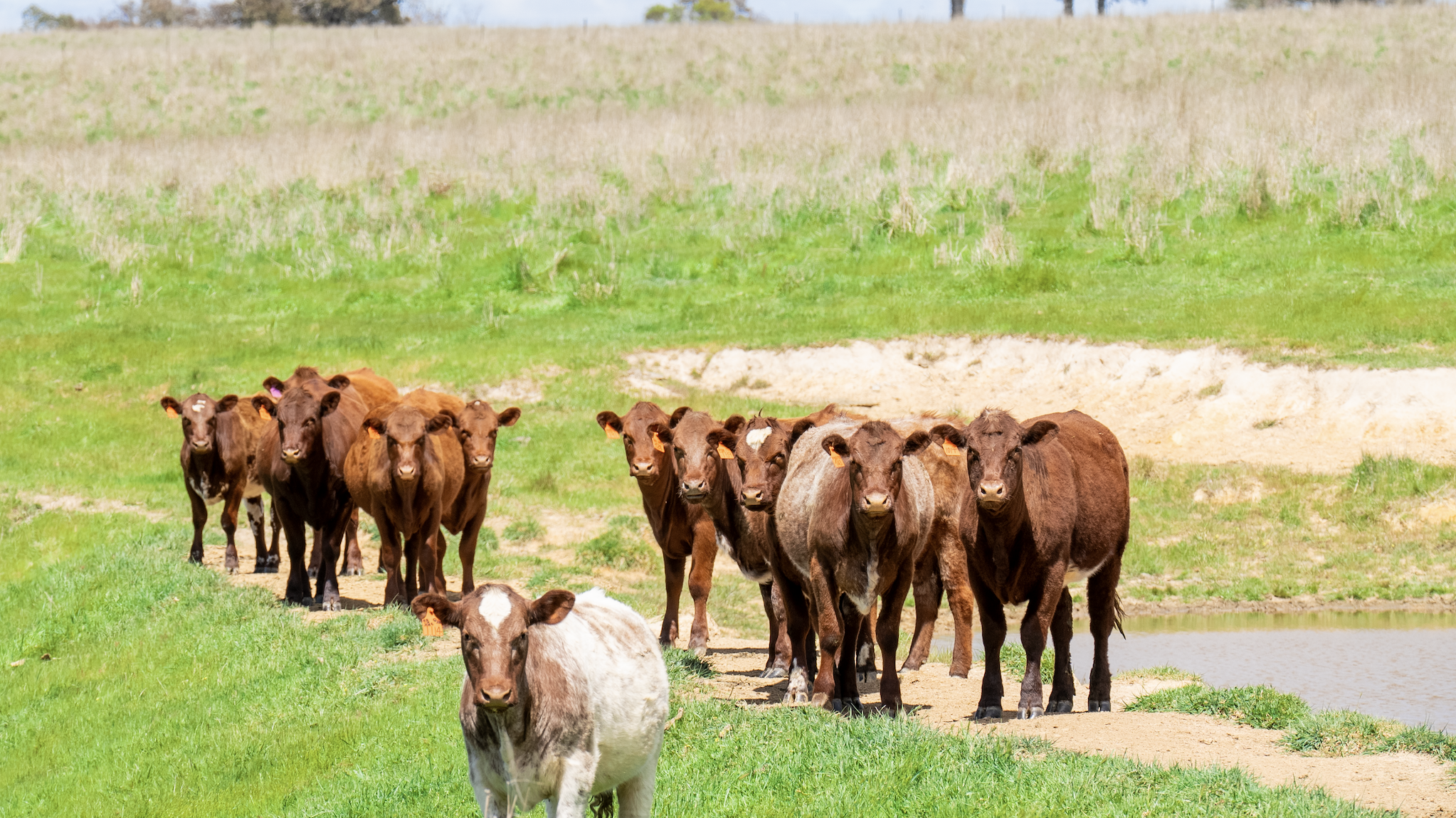
Grass is setting the pace in the cattle market, with restockers outbidding feedlots and processors on AuctionsPlus last week.
 Natasha Lobban: Oct 8, 2026
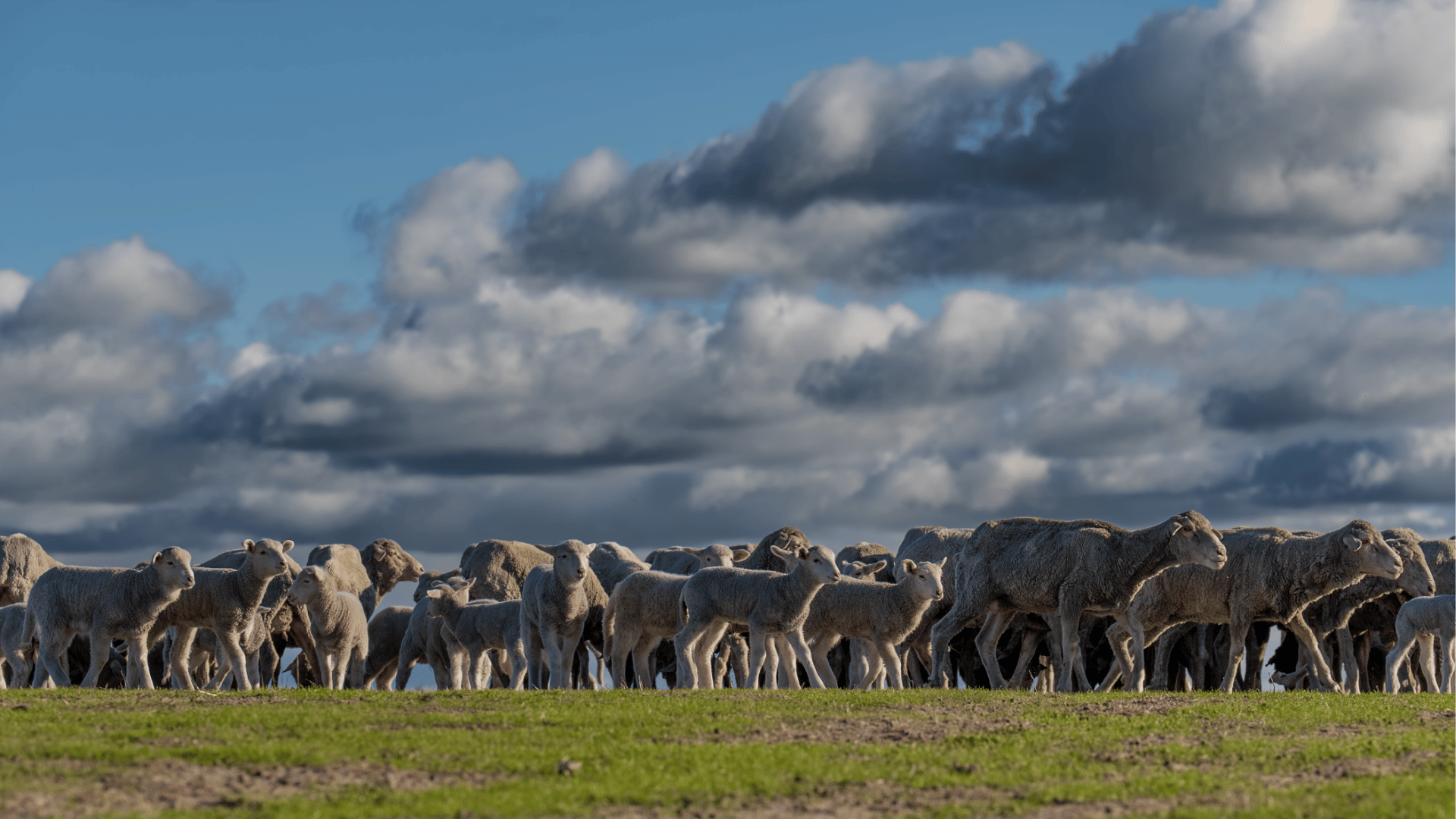
AuctionsPlus has recorded its biggest September for new season lambs in the past decade, with 218,871 head offered across the month.