
May rain masks a deeper dry but cattle are moving
May brought solid rain to much of the eastern seaboard, but the year-to-date picture tells a different story. Across inland NSW, Victoria and SA,...
1 min read
Alex McLaughlin
:
Jan 16, 2026
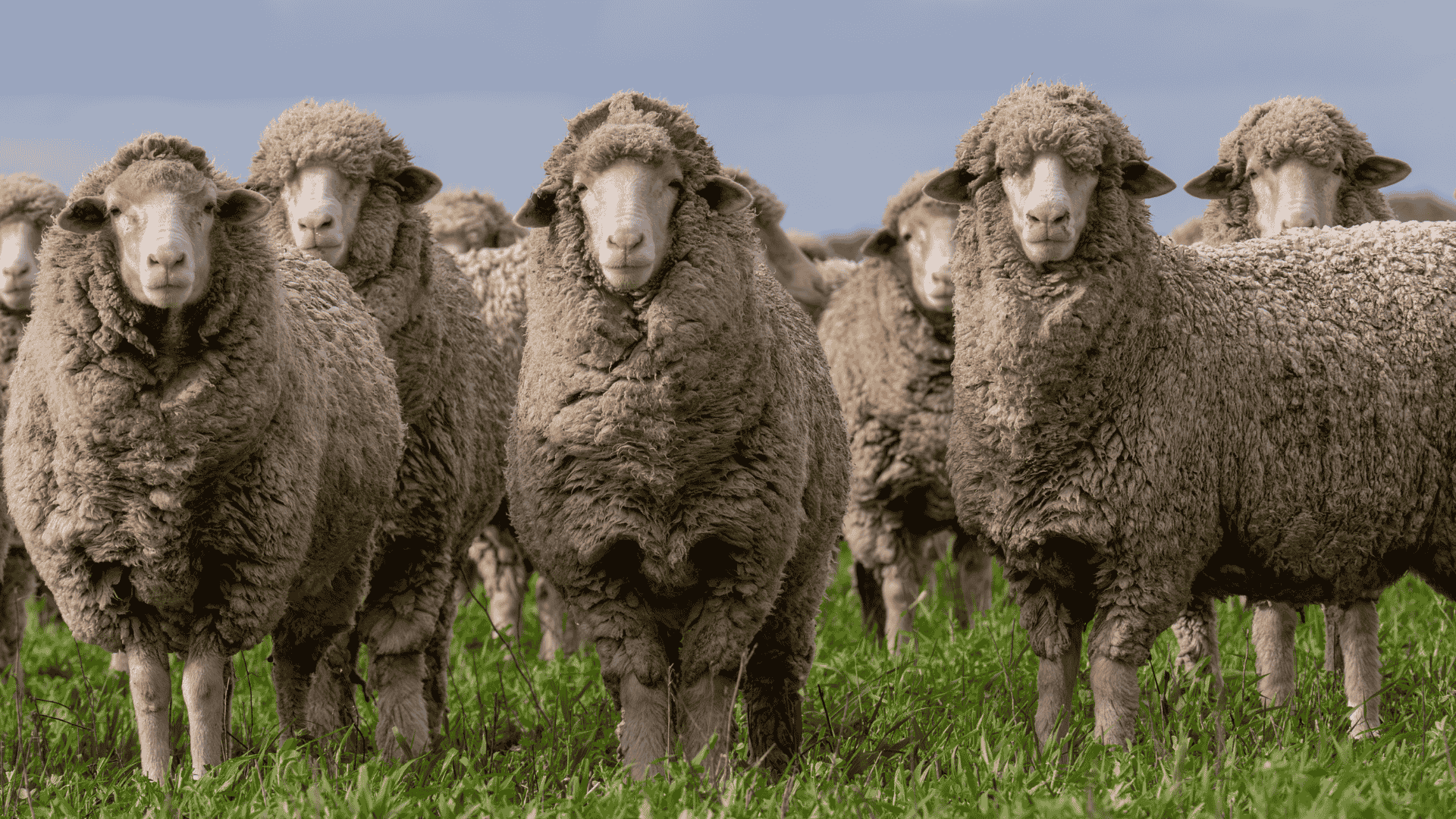
The Australian wool market has returned from the Christmas recess with a powerful start to the calendar year, delivering sharp gains across most categories for the second week of January (week 29).
According to the Australian Wool Innovation (AWI), the first sale week of the 2026 calendar year saw the Eastern Market Indicator (EMI) rise 107 cents to 1,648 c/kg clean. AWI said the EMI is now 38.5% above the same time last year, and at its highest level since January 2020. In the west, AWI reported the Western Market Indicator (WMI) climbed 131 cents to 1,846 ac/kg clean.
AWI reported gains were broad-based, led by Merino fleece. Fine Merino (≤19.0 micron) lifted 120–130 cents, while medium Merino fleece (19.5–24.0 micron) recorded the strongest improvement, up 130–140 cents. Crossbred fleece gained 30–40 cents, and cardings improved 60–70 cents.
Meanwhile, the Elders Wool team said many industry observers were expecting a firmer market based on overseas sales during the break, “however the strength in the market surprised many”.
Elders reported bidding opened in the east as “extremely spirited”, with a wide spread of buyers competing hard for market share.
By the end of the first day, Elders noted the Micron Price Guides (MPGs) in the eastern centres were 47 to 119 cents higher, lifting the EMI 69 cents, and "the best opening-day start to a calendar year since 1979", according to the report.
The Elders Wool team said buyer focus sharpened on “the higher yielding wool”, particularly lots with favourable additional measurement results, but reported all types and descriptions recorded gains as buyers pushed to secure volume in the rapidly rising market.
The AuctionsPlus Wool Board has recently been updated, delivering an improved user experience. The AuctionsPlus Wool Offerboard continues to provide another valuable selling avenue for agents and growers. More than 1,000 bales are currently listed, with 43 broking and 48 buying companies registered to trade nationally. Since 2013, more than 220,000 bales have been sold through the online platform.
May brought solid rain to much of the eastern seaboard, but the year-to-date picture tells a different story. Across inland NSW, Victoria and SA,...
The end of March seems a lifetime ago given what has gone down in cattle markets since. But it is the end of March slaughter and beef production data...
In late May, the Australian Bureau of Statistics (ABS) released the quarter 1 slaughter and production numbers for livestock and in the same week,...