
 Natasha Lobban
Trump pushes for beef country-of-origin labelling in US
US President Donald Trump has signed executive orders aimed at helping cattle ranchers protect their herds from wolves, expand meat processing and...
.png)
What's making news this week.
The National Farmers' Federation (NFF) and the Tractor and Machinery Association of Australia (TMA) have both welcomed the Federal Government's move to release proposals extending Australia's Right to Repair laws to agricultural machinery. NFF President Hamish McIntyre said the announcement reflected years of advocacy to tackle costly delays and barriers to repairing farm machinery. "This is a win for the sector after a period of uncertainty. Modelling by the Productivity Commission shows this reform could lift agricultural production to $97 million and greater competition in the repair sector will lead to a $311 million increase to GDP," Mr McIntyre said. "That means less downtime, lower costs, and more control over their own businesses." TMA Executive Director Gary Northover said the association had long supported practical right to repair outcomes that reduce downtime while keeping machinery operating safely and reliably. "This consultation is an opportunity to build on those efforts through a balanced framework that improves repair outcomes while protecting safety and equipment integrity," Mr Northover said.
Elders reported underlying EBIT of $76.6 million for the six months to March 31, up 33% on the prior corresponding period. Statutory profit after tax was $39.5 million, while sales revenue increased 32% to $1.77 billion. An interim dividend of 18 cents per share, fully franked, was determined. Managing Director and Chief Executive Officer Mark Allison said the result reflected disciplined execution across the business alongside encouraging seasonal conditions. Elders also progressed the integration of Delta Agribusiness, which contributed $10.4 million in EBIT during its first five months under Elders' ownership. During the half, Elders announced the appointment of René Dedoncker as Chief Executive Officer, to succeed Mr Allison from October 1, 2026.
AACo generated a net profit of $107.3 million in fiscal 2026, a major turnaround from last year's $1.1 million loss. Its preferred operating profit measure came to $71.6 million, up 23%, on revenue of $422.1 million for the year ended March 31. Beef sales totalled $314.4 million, up 7%, while cattle sales came to $107.7 million, up 15%.
Australia's beef industry has started 2026 with its strongest first quarter on record. New ABS data analysed by Meat & Livestock Australia (MLA) shows 730,077 tonnes of beef were produced in the March quarter, up 8% year-on-year. Cattle slaughter reached 2.30 million head, a 6% lift on the March 2025 quarter. The value of cattle transactions reached a record $6 billion for the quarter. MLA Market Information Manager Stephen Bignell said favourable seasonal conditions across northern Australia were supporting productivity, while dry conditions in northern NSW had contributed to higher yardings and turn-off.
Grain Producers Australia (GPA) has secured a national emergency permit allowing grain growers to access stronger mouse bait as significant mouse numbers plague several states. The Australian Pesticides and Veterinary Medicines Authority (APVMA) approved GPA's emergency permit application for access to 50g/kg zinc phosphide mouse bait - double the strength of what has previously been available. GPA Research Development and Extension Spokesperson Andrew Weidemann said the standard bait was not strong enough to tackle current mouse activity. "Mouse plagues can cause massive crop and financial losses in the absence of adequate management tools, as well as significant psychological stress for farmers, their families and those living in affected areas," Mr Weidemann said. Growers will need to complete a short online training course and report baiting details to comply with permit conditions.
New research from Meat Business Women has revealed a divide in gender representation across the food industry, with uneven progress threatening recruitment and talent pipelines. The 2026 Gender Representation Report found women make up 46% of the workforce in leading organisations, compared to just 26% in lagging businesses. Global Chair Laura Ryan said the gap was visible at six out of seven career stages. "This sustained gap is reducing the industry's future leadership pipeline, limiting the progression of women into senior roles, and reducing the diversity of talent available at the top. This is no longer simply an industry-wide challenge, but increasingly a reflection of individual leadership choices," Ms Ryan said. To meet the Food Business Charter's ambition of 40% female representation by 2035, the report estimates a 0.6% annual increase in women entering and staying in the workforce is required.
The Australian Fodder Industry Association reported mixed signals in the fodder market this week, with dry conditions in southern Queensland and inland NSW keeping livestock on hay for longer and lifting winter demand, while low soil moisture is limiting winter fodder cropping on the Darling Downs and parts of Central West NSW. Wet and flood-affected paddocks on the North Coast NSW are also delaying sowing, pushing greater reliance on bought-in hay. On the other side of the ledger, May rainfall across southern regions has improved feed conditions and reduced urgent buying, with surplus stored fodder across Victoria and SA keeping buyer urgency low. Seeding progress is well advanced in the south, adding confidence to new-season supply. Freight and fuel costs continue to lift delivered pricing and limit movement into distant markets. Did you know fodder can be bought and sold on AuctionsPlus? Check it out.

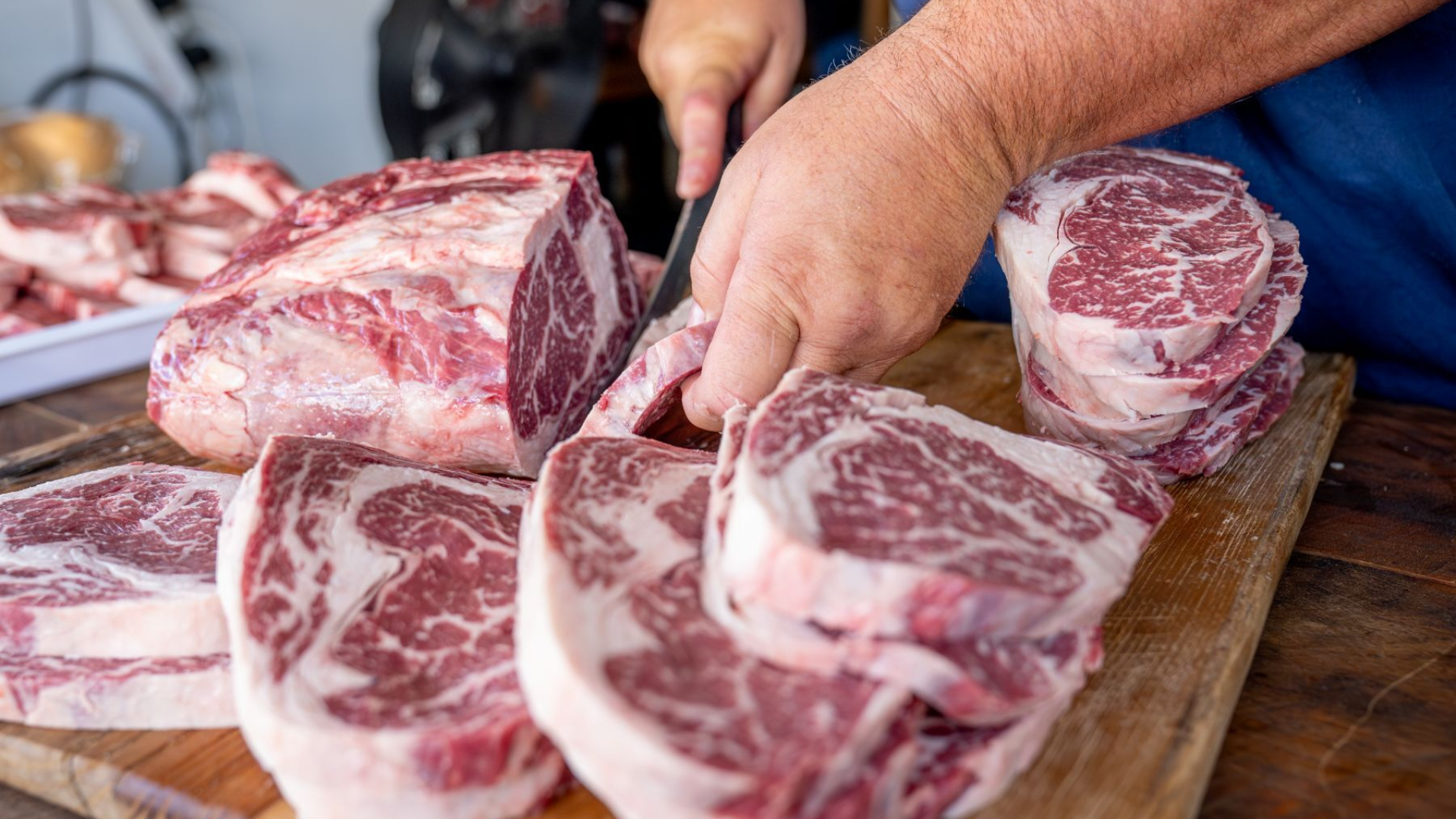
US President Donald Trump has signed executive orders aimed at helping cattle ranchers protect their herds from wolves, expand meat processing and...
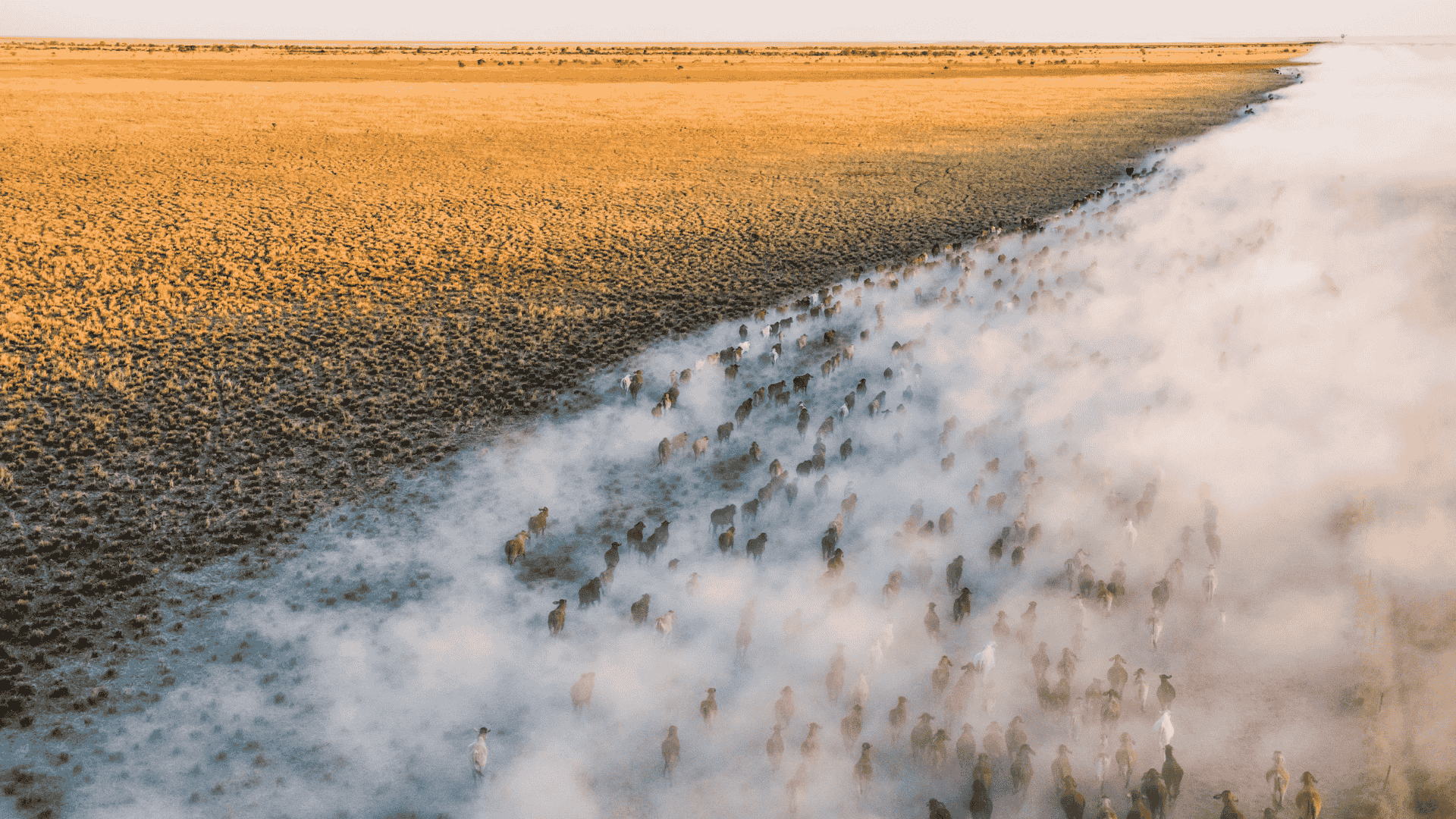
A cattle farming couple are making a call-out for information after the theft of more than 140 prized stock from their rural property.

 Natasha Lobban: Aug 13, 2026
Gary Driscoll's LandCruiser is up for sale just short of the 1,000,000km mark, and he reckons he'd have got there a lot sooner if AuctionsPlus hadn't...