
Weaner steer premium lifts to 20% amid increased northern supply
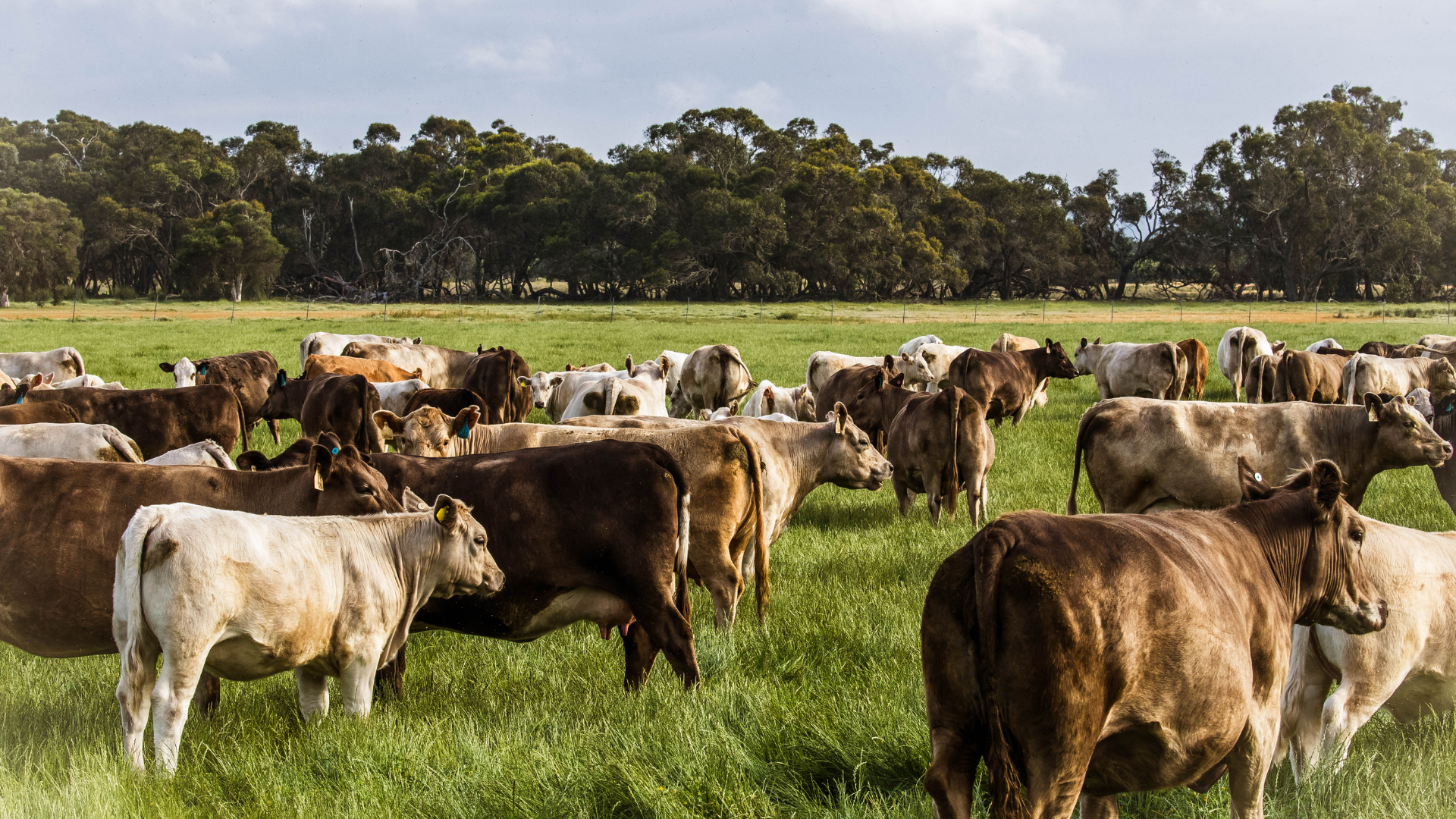
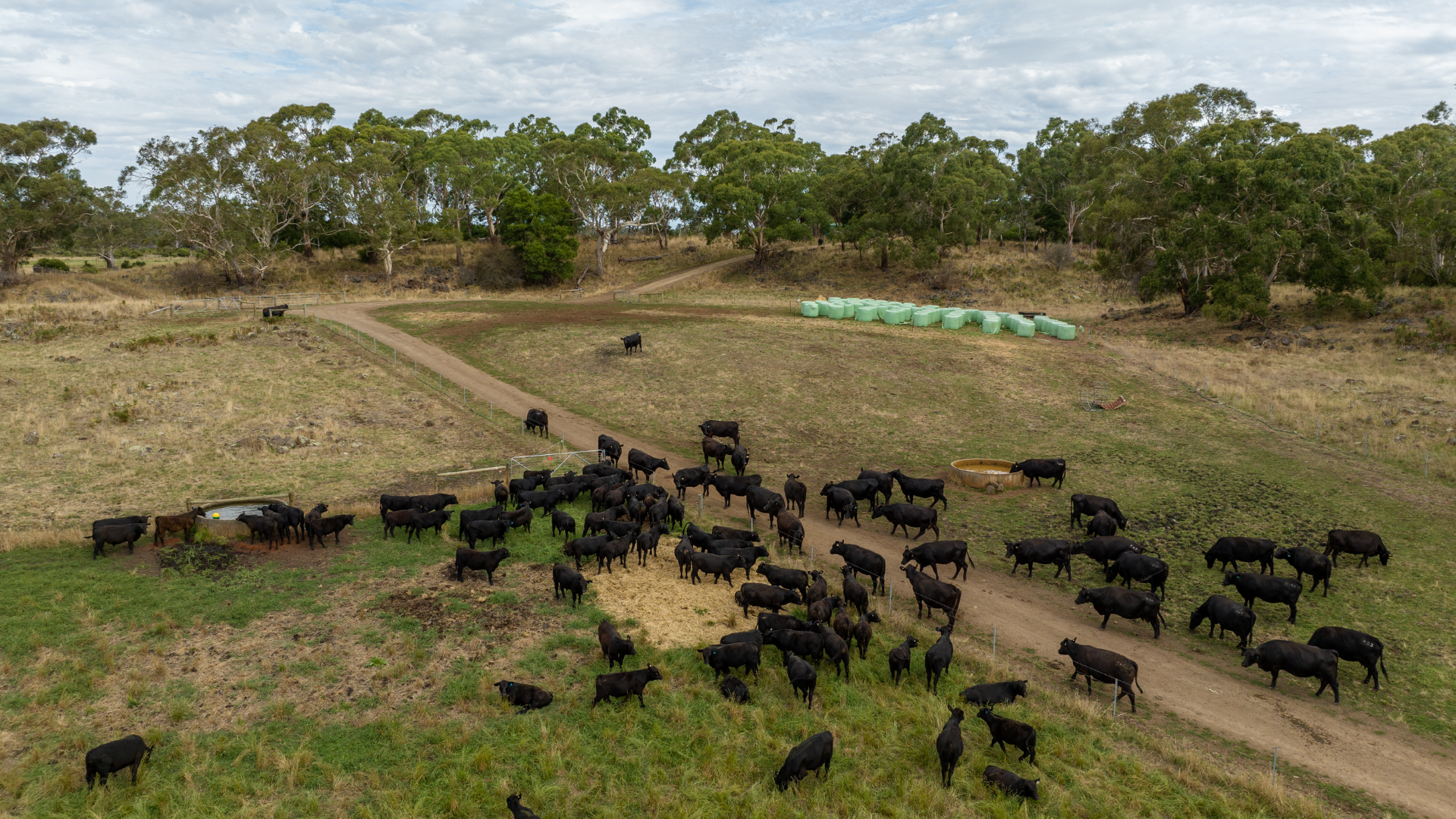
The Weaner Steer Premium lifted to 20% last week as the market adjusted to increased turnoff, largely driven by seasonal conditions across northern...
1 min read
Alex McLaughlin
:
Aug 20, 2024
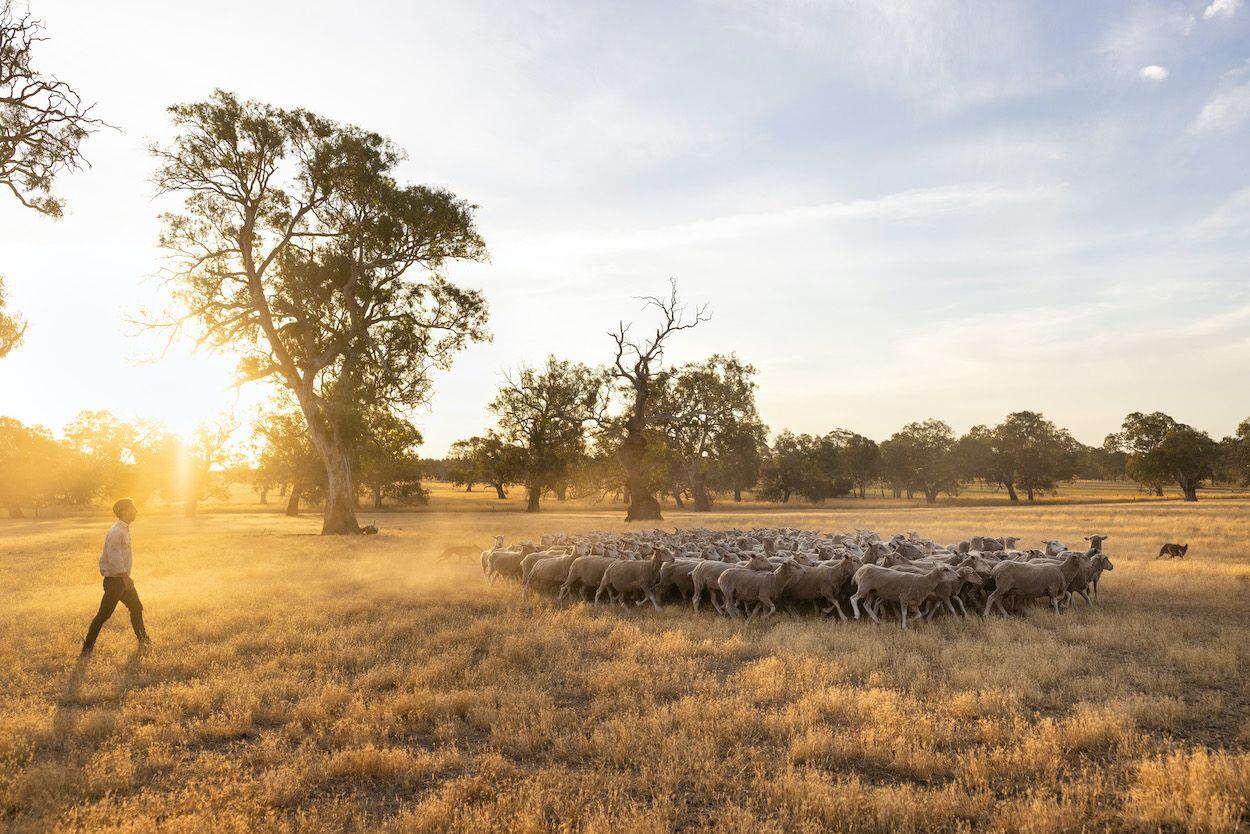
Opportunities for Australian lamb production to move towards a low-carbon economy are gaining momentum, thanks to innovative approaches like legume-based pasture systems.
According to Victorian Nuffield scholar Johnny Gardner, these systems can help graziers increase lamb output while reducing their carbon footprint, without sacrificing productivity or profitability.
Mr Gardner, a fourth-generation farmer from Cavendish, Victoria, explored these strategies in a recently released report by Nuffield Australia.
The report, titled "Building a Balanced Australian Lamb Industry," is the result of Gardner's research conducted across eight countries, where he examined how the lamb industry can adapt and thrive in a low-carbon economy.
The study conducted through the Nuffield Scholarship and supported by the William Buckland Foundation, found that out of the 100 largest entities committed to reducing emissions, 69 are companies and 31 are countries.
The report emphasises the necessity for Australian production systems to align with international market expectations to maintain the country's status as a leading lamb exporter.
“Our industry must embrace change and adopt well-planned strategies to reduce emissions while maintaining our competitive edge,” Gardner said, noting the rapid evolution of the global regulatory environment.
One of the report’s key findings is the potential for legume-based farming systems, such as clover and lucerne, to significantly boost productivity while reducing emissions.
Mr Gardner observed successful implementations of these systems at “Bog Roy” station in New Zealand, where 14% of grazing land was planted with lucerne, resulting in higher lamb production and reduced weaning times by 19 days.
“This approach offers a triple win: social, environmental, and financial benefits”, Mr Gardner said.
The report also underscores the importance of comprehensive data capture and benchmarking to track and improve farm emissions. Gardner stressed the need for innovation and adaptation, calling for increased industry and government support.
He pointed to successful examples in the U.S., where farms received backing to embrace new technologies and practices.
Mr Gardner advocates for government collaboration with the agricultural sector to transition towards low-carbon production while ensuring food security. He suggests that any introduction of carbon limits or emissions caps should include positive and practical timelines.
Looking ahead, the report identifies promising avenues for emissions reduction, including feed additives, methane-inhibiting vaccinations, and precision livestock farming technologies.
Gardner’s study calls on industry stakeholders to work together in achieving a sustainable and economically viable future for Australian lamb production, balancing emissions reduction with ongoing productivity and profitability.
The Weaner Steer Premium lifted to 20% last week as the market adjusted to increased turnoff, largely driven by seasonal conditions across northern...
Ripley Atkinson assesses the major upside and downside factors shaping the outlook for Australia’s beef sector.
The conflict in the Middle East has had minimal impact on local grain or livestock prices as of yet, especially sheep meat. Forward pricing for lambs...