
Northern rain and the cost of freight
 Andrew Woods: Oct 14, 2026
The forecast is looking promising for vast parts of Queensland and Northern NSW for the coming week.If you are looking for rain, of course.Rain will...
Last year it felt like we were writing about tariff impacts every week, this year it’s the Middle East conflict and subsequent rising cost of energy. With hay and silage being back of mind while winter crops and pastures are planted, it’s time we had another look at feed and fodder markets.
Since the hay and fodder harvest of last spring, the market has avoided the headlines made last winter. It is hard to believe now that pasture hay prices peaked at $600-700 per tonne, but no doubt that helped drive production, which pushed prices back into the normal range.
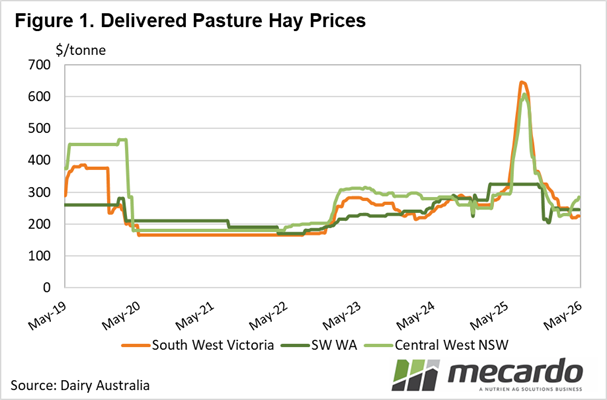
Figure 1 shows pasture hay prices came back into the low $200/t range on average in both NSW and Victoria, but the dry summer and autumn in the northern half of NSW has seen the market start to move.
Central west NSW hay prices have gained $60/t, or 26% since the start of the year as demand has increased and supplies have been eaten. Any local shortage of hay this year will no doubt be exacerbated by the increased cost of freight. Many cattle producers are taking the option of getting rid of mouths instead, with large sales and a big exodus of cattle out of the northern half of NSW.
Hay prices get more expensive as you go north, but Darling Downs levels are similar to those in the central west of NSW. The spread in grain prices is more pronounced, with supplies in the Darling Downs and Northern NSW seemingly exhausted.
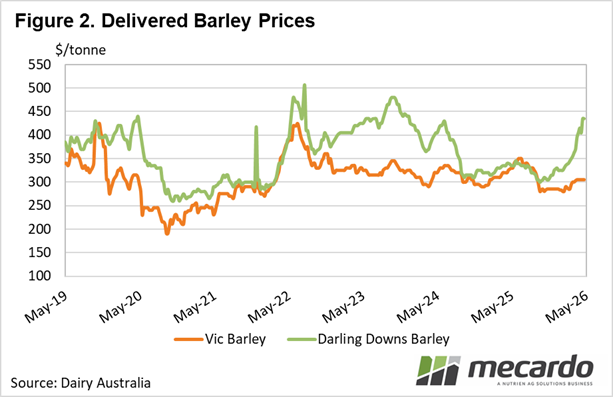
Figure 2 shows the price of barley on the Darling Downs and in southwest Victoria. Southern and central NSW barley prices are closer to Victoria. The Darling Downs premium suggests the freight cost to take it north is boosting the price. Increasing feed grain prices will help lift hay prices, as the two are substitutable to an extent.
Just as grain is going to more expensive to grow this year, hay is going to more expensive to make, grow and freight. Prices are likely going to have to move to encourage hay making this year.
The rising cost of energy will impact fodder, just as it is and will impact grain. Just as last year it was time to run hand to mouth as prices were almost guaranteed to fall, this year it might be prudent to secure some supplies to avoid the next spike.
After falling back to normal levels, hay prices are on the rise in NSW.
Feed grain prices have also rallied in southern Queensland.
Increasing costs of production will likely push hay prices higher this year.
 Angus Brown brings over 20 years of expertise analysing Australian agricultural markets, and also runs a mixed farming operation in Hamilton, Victoria.

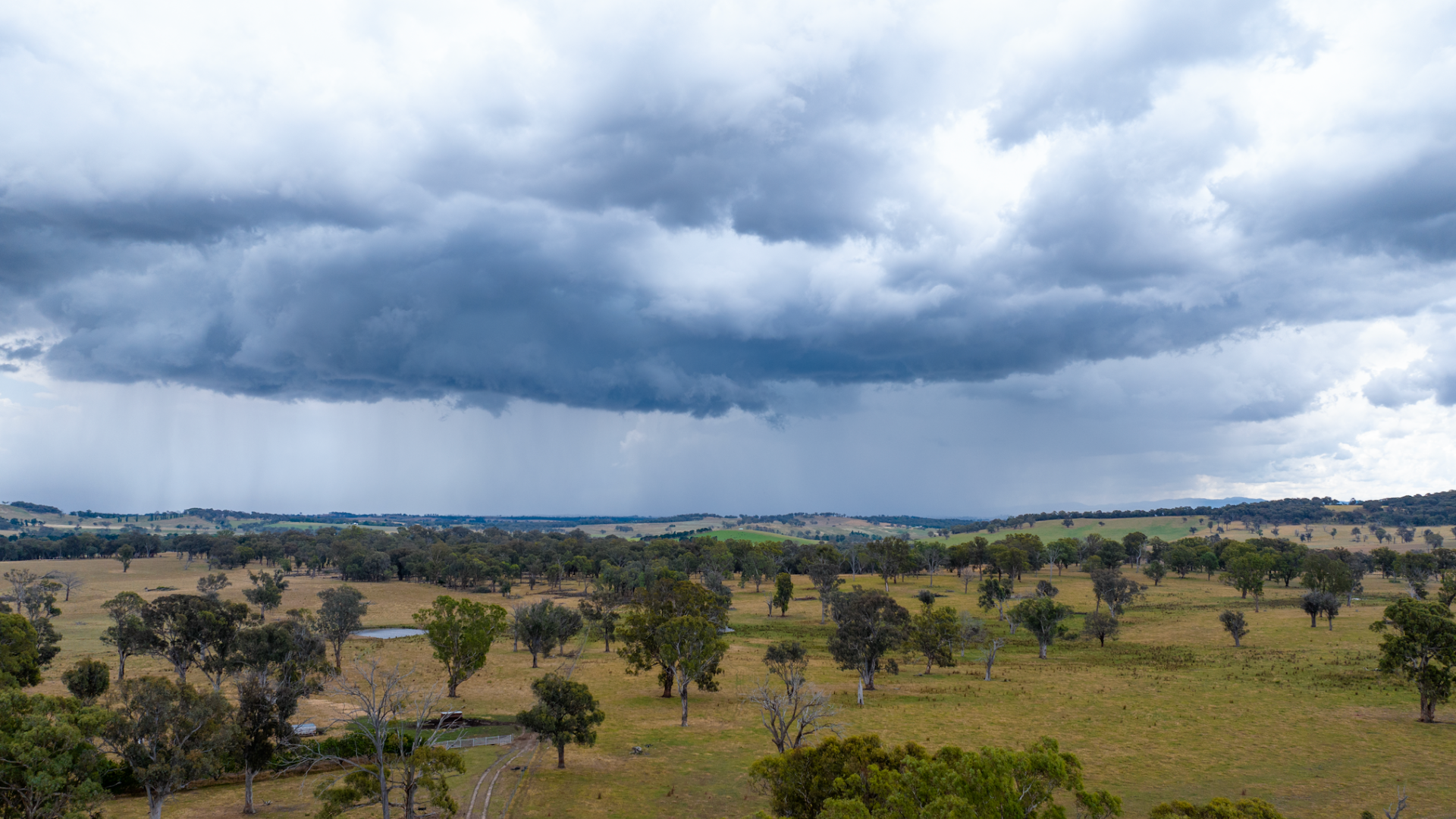 Andrew Woods: Oct 14, 2026
The forecast is looking promising for vast parts of Queensland and Northern NSW for the coming week.If you are looking for rain, of course.Rain will...
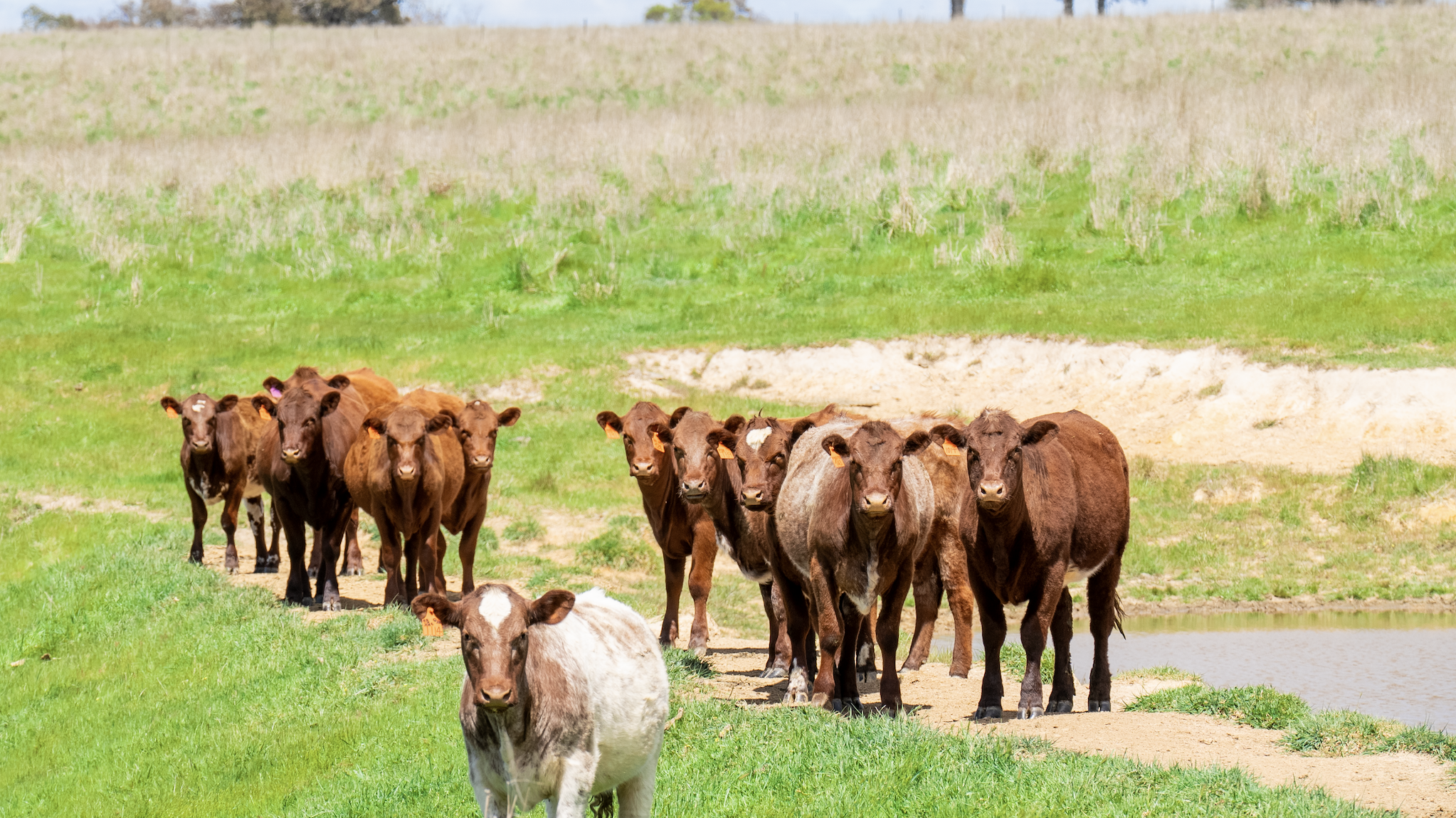
Grass is setting the pace in the cattle market, with restockers outbidding feedlots and processors on AuctionsPlus last week.
 Natasha Lobban: Oct 8, 2026
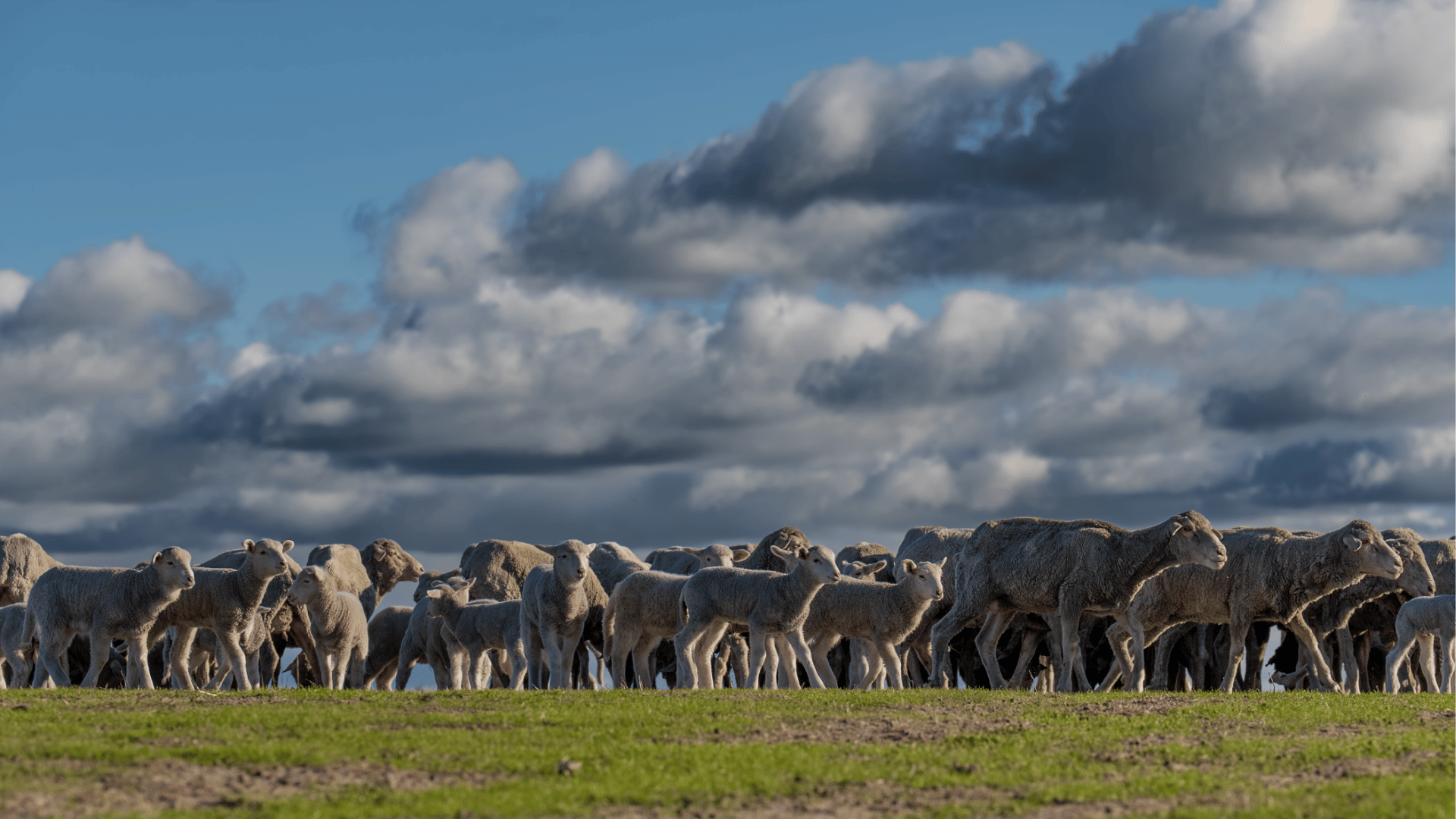
AuctionsPlus has recorded its biggest September for new season lambs in the past decade, with 218,871 head offered across the month.