
 Matt Dalgleish
Northern rain and the cost of freight
The forecast is looking promising for vast parts of Queensland and Northern NSW for the coming week.If you are looking for rain, of course.Rain will...
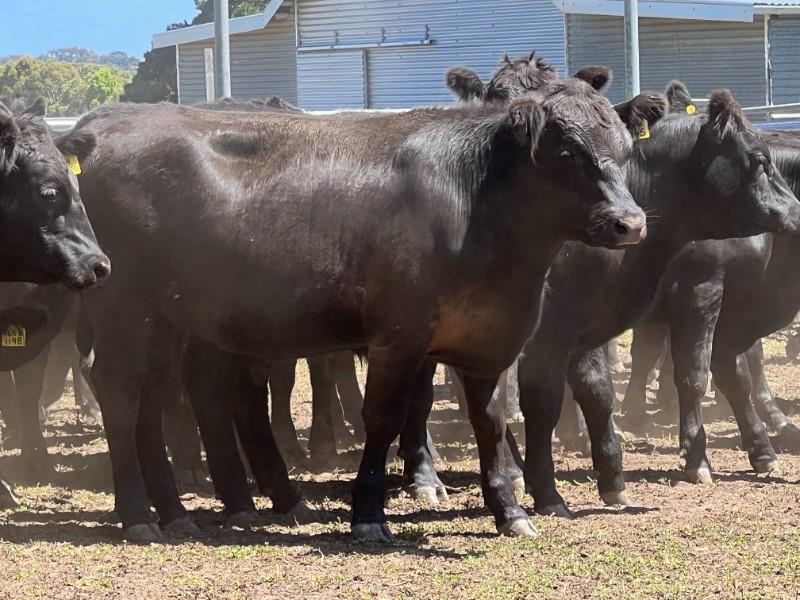
The recent release to the Meat & Livestock Australia (MLA) cattle projections and baseline forecasts for the US beef industry from USDA have allowed us to re-calculate the Episode3 fair value modelling on the National Heavy Steer Indicator (NHSI).
Expectations of a tighter US market for cattle and beef into the middle of the decade have seen an upward revision to previous forecasts published on the EP3 National Heavy Steer model.
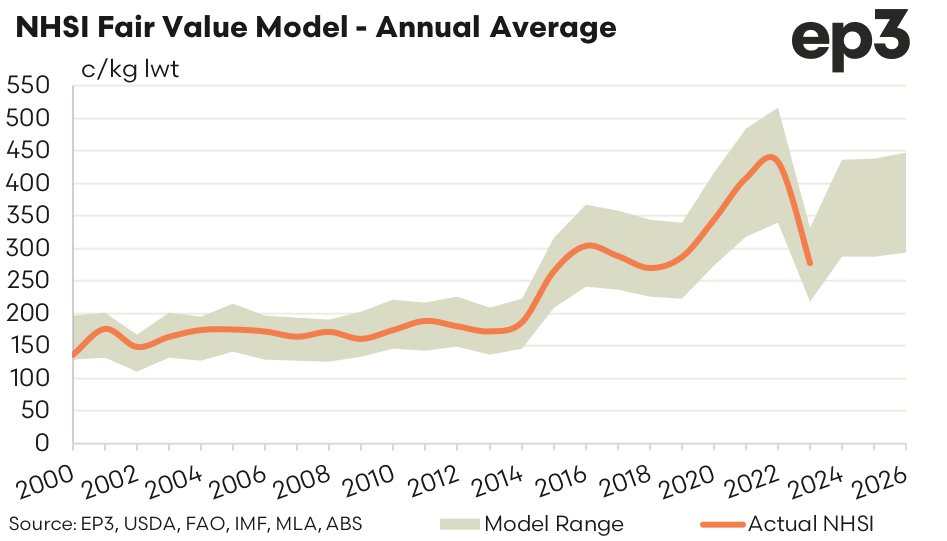
The model predicts a fair value range between 286c/kg lwt to 436c/kg lwt for the NHSI in 2024 and an annual average of 361c/kg lwt. In 2023 the NHSI averaged 277c/kg lwt so the model is projecting finished cattle prices will improve by about 30% from the levels seen last year.
Into 2025 and 2026 there is further upward bias expected, based on current model inputs. Although, a move into extended dry conditions and increased domestic cattle slaughter in Australia beyond what MLA are currently projecting would likely see the model outputs revised lower for 2025 and beyond.
The fair value range in 2025 is forecast to be between 287 cents and 437 cents per kilogram on a live weight basis. Into 2026 the range is lifted slightly to sit between 293 to 446 c/kg lwt, with an annual average NHSI forecast at 370 cents.
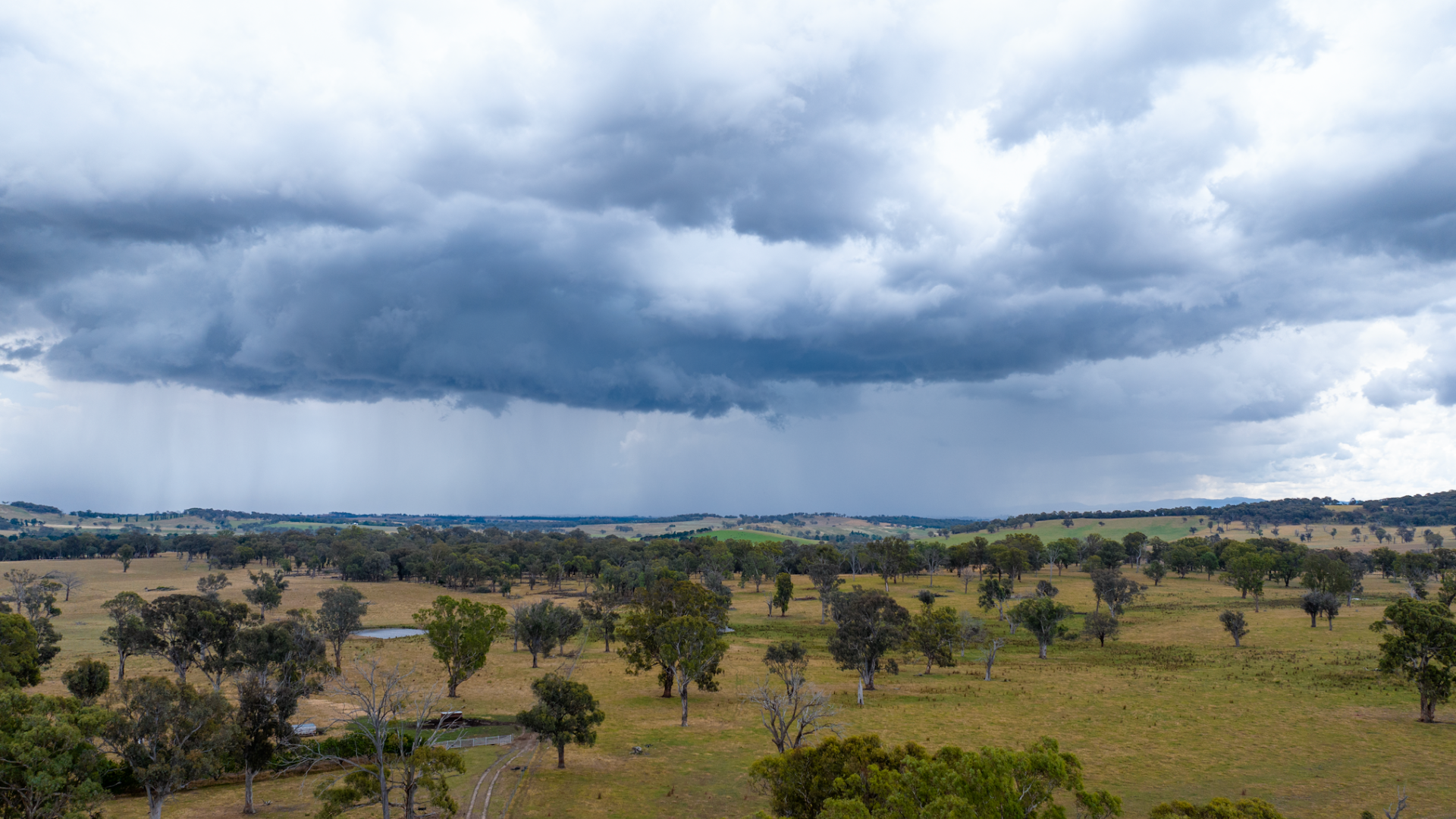
The forecast is looking promising for vast parts of Queensland and Northern NSW for the coming week.If you are looking for rain, of course.Rain will...
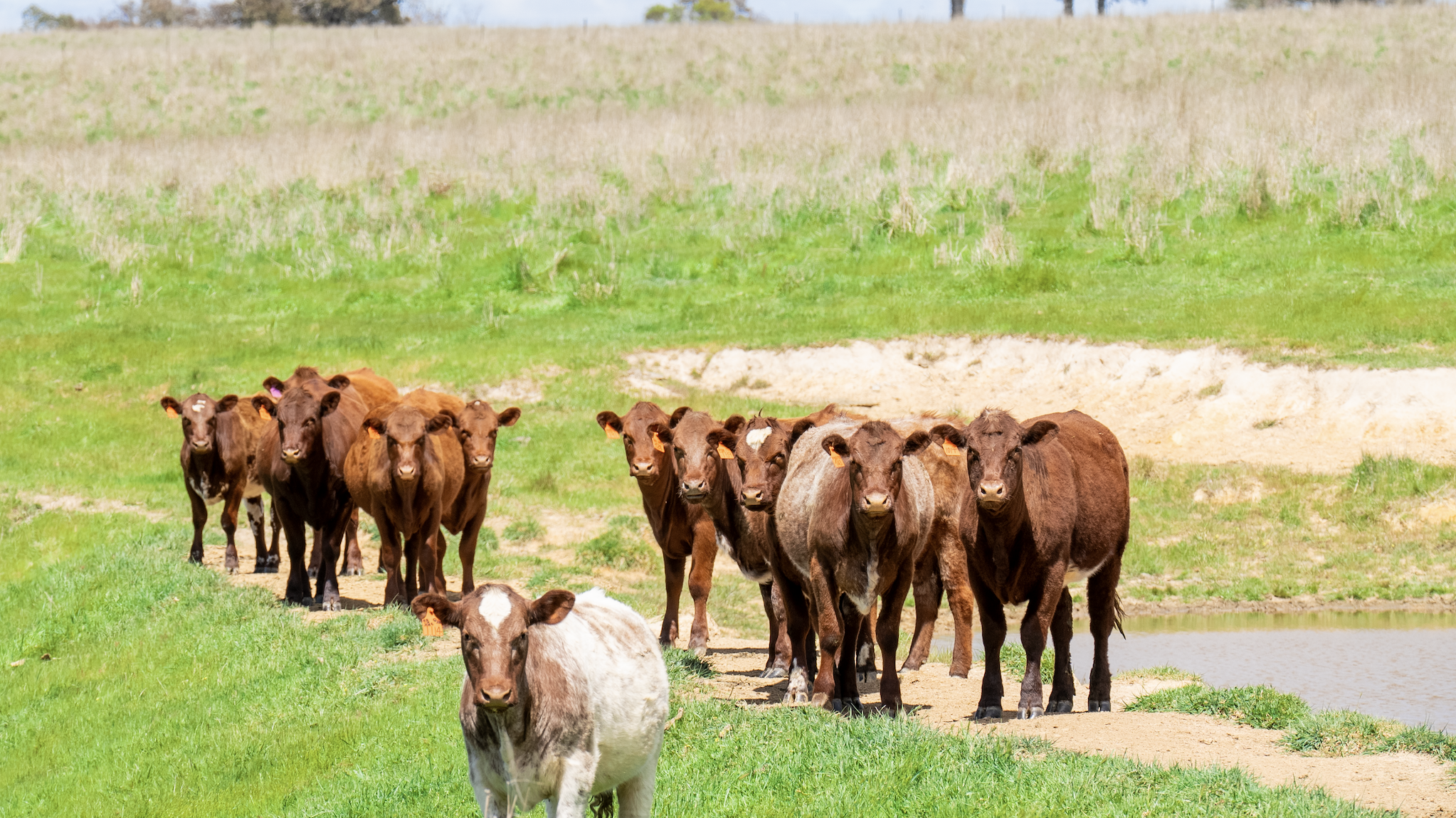
Grass is setting the pace in the cattle market, with restockers outbidding feedlots and processors on AuctionsPlus last week.
 Natasha Lobban: Oct 8, 2026
AuctionsPlus has recorded its biggest September for new season lambs in the past decade, with 218,871 head offered across the month.