
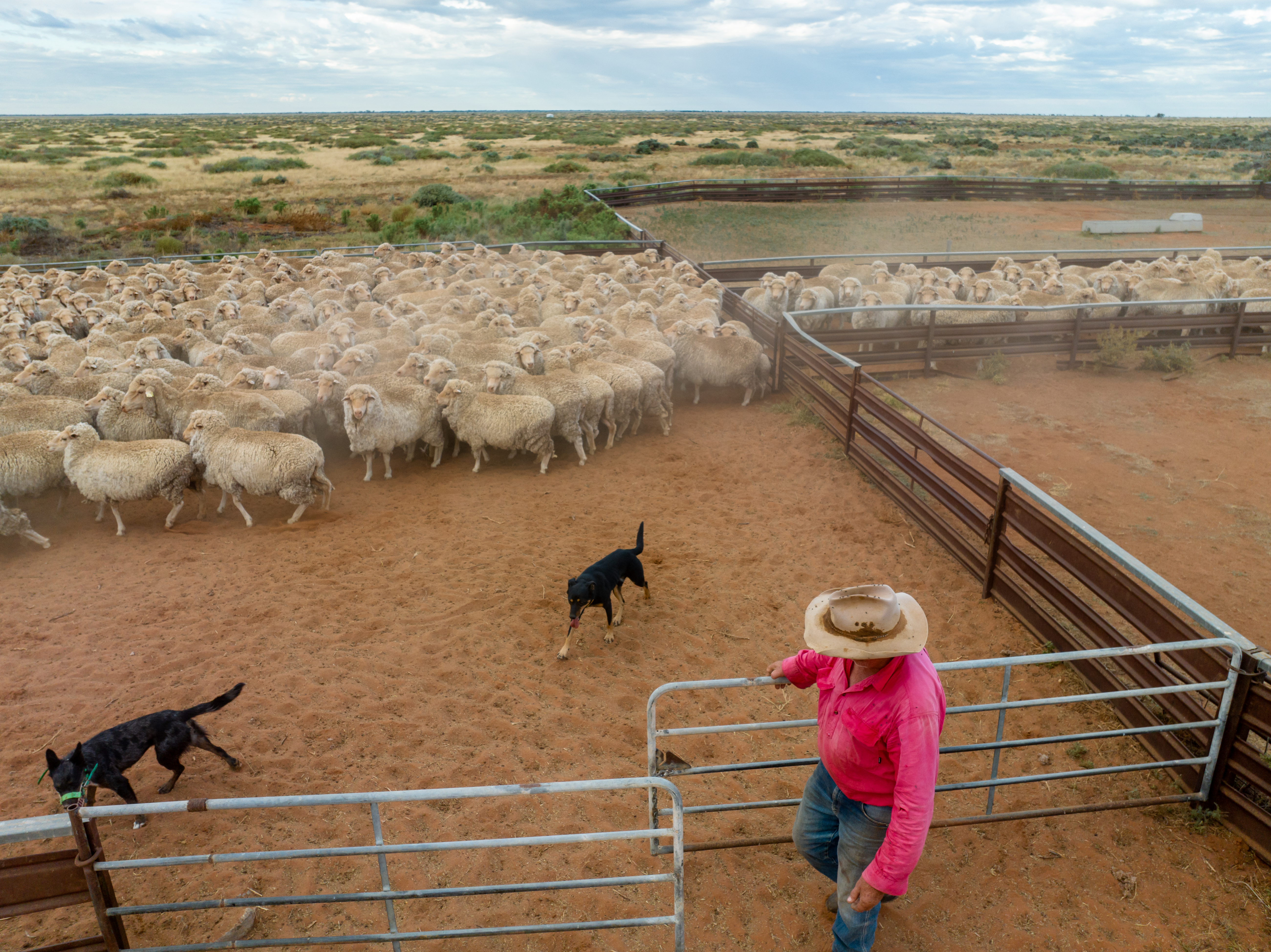
Northern rain and the cost of freight
The forecast is looking promising for vast parts of Queensland and Northern NSW for the coming week.If you are looking for rain, of course.Rain will...
The lamb and mutton markets are facing some potential challenges over the coming months, if the conflict in the Middle East continues. They are not the sort of conditions that will see price plummet overnight, but they could put a stop to the growth in demand.
Long time readers will know that lamb supply is most definitely in charge of the weekly and monthly changes in lamb prices. However, long time readers will also know that over the past 25 years Australian lamb has seen strong jumps in demand every few years.
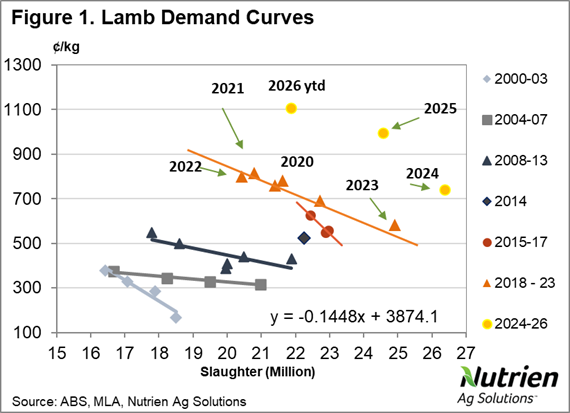
Figure 1 is one of our favourite lamb charts, as it says a lot in a simple chart. Along the X axis is the annual Australian lamb slaughter. On the Y axis is the average annual price of the Eastern States Trade Lamb Indicator (ESTLI). Figure 1 tells us, on a yearly basis, how much lamb was produced, and how much processors paid for it.
The interesting thing about figure 1 is how there are periods where we see a uniform relationship between lamb supply and price. When supply increases, price decreases, and vice versa. The years when demand jumps, like in 2024, are when supply increases but so does price.
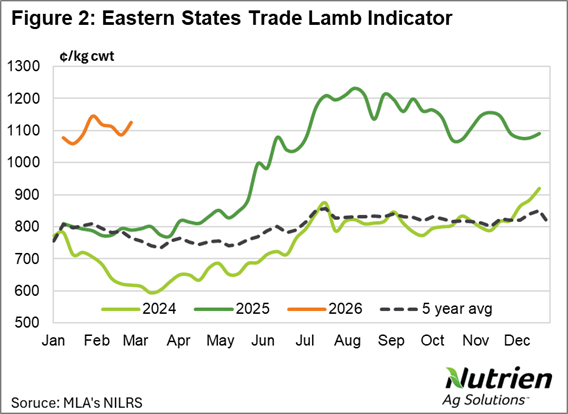
In 2025, we saw supply fall and price rise, and for the year to date in 2026 we have seen the same again. For 2026 we converted year to date slaughter numbers to an annual figure. The slope of the demand curve for 2024-2026 is very similar to the 2018-23 curve.
Demand for Australian lamb has benefitted from declining supply in both the US and New Zealand, which has seen more buyers looking for lamb. Figure 1 shows we have not really seen any decline in demand
Current geopolitical events and economic ructions make a solid foundation for at least a softening of demand for lamb. Rising oil prices typically will eat into disposable incomes both here and in export markets if conditions persist long term.
Recent rain and subsequent tightening supply may have masked some of the impacts of the conflict in the Middle East. It will also take a little time for softening demand to flow through the market. Tight supply and a flock rebuild should provide solid support for lamb, but while oil prices are rising, we might see a limited upside.
 Angus Brown brings over 20 years of expertise analysing Australian agricultural markets, and also runs a mixed farming operation in Hamilton, Victoria.

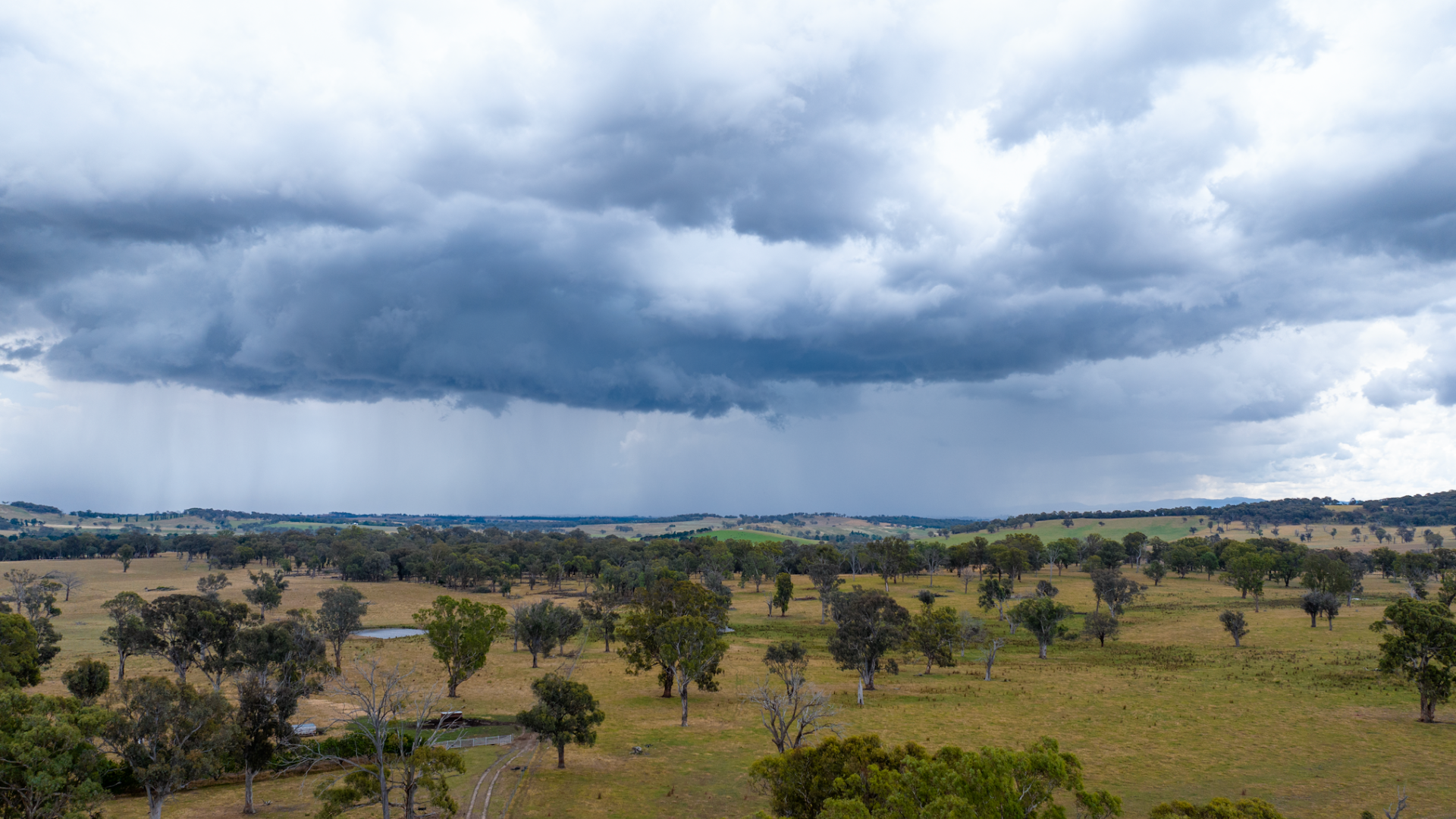
The forecast is looking promising for vast parts of Queensland and Northern NSW for the coming week.If you are looking for rain, of course.Rain will...
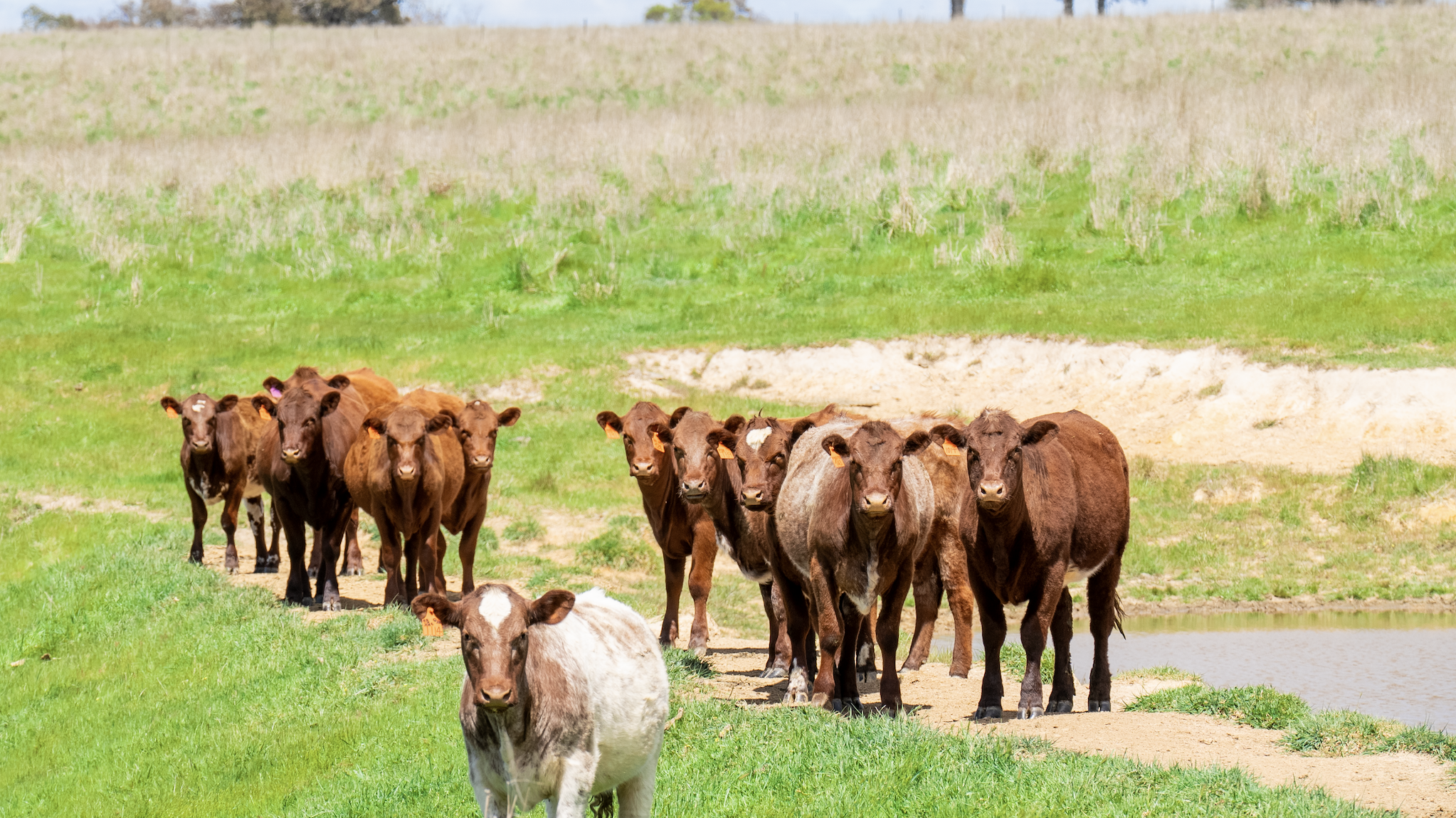
Grass is setting the pace in the cattle market, with restockers outbidding feedlots and processors on AuctionsPlus last week.
 Natasha Lobban: Oct 8, 2026
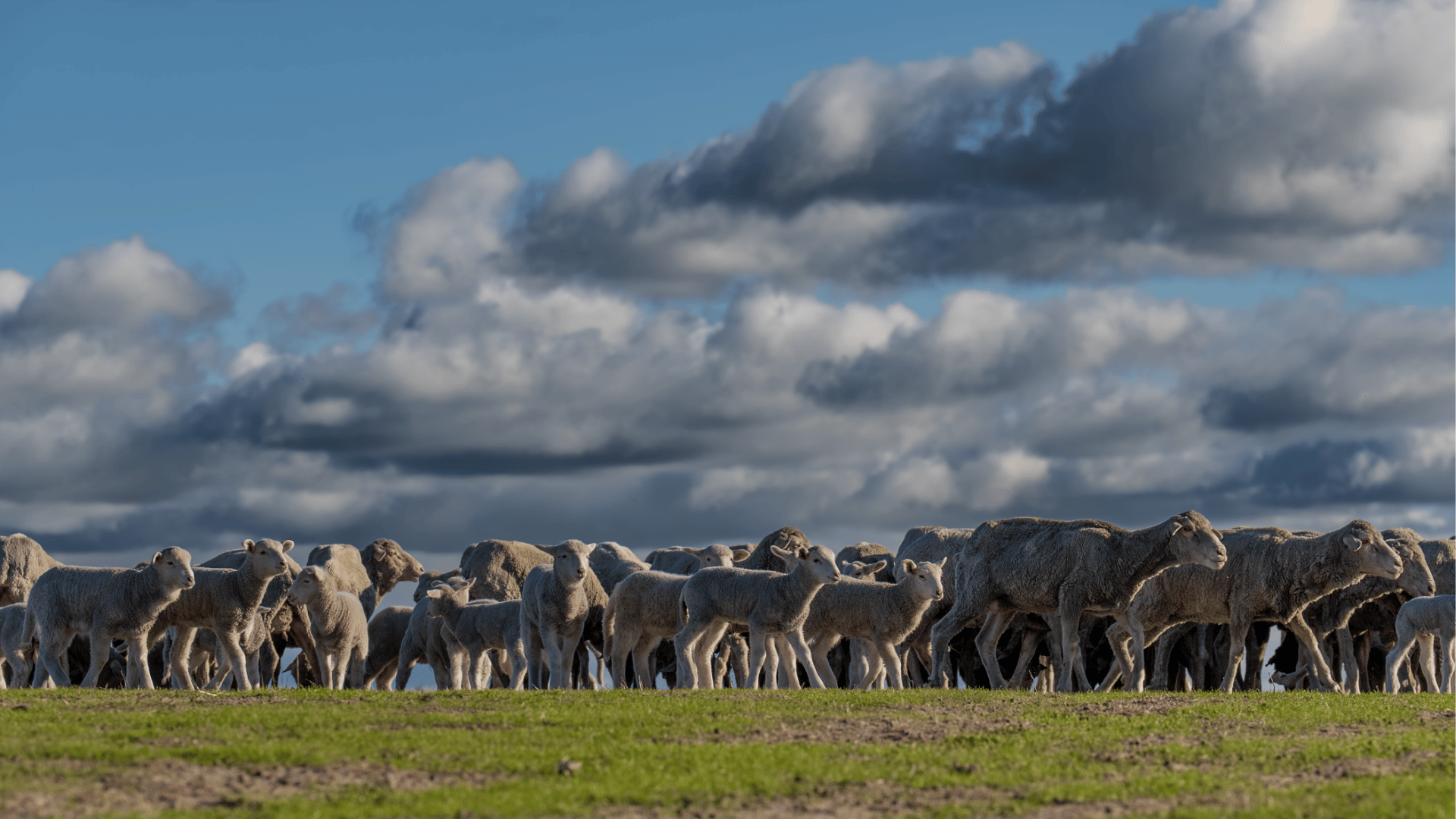
AuctionsPlus has recorded its biggest September for new season lambs in the past decade, with 218,871 head offered across the month.