
Northern rain and the cost of freight
The forecast is looking promising for vast parts of Queensland and Northern NSW for the coming week.If you are looking for rain, of course.Rain will...
Over the past week, producers across eastern and southern states have seen some quality rainfall − supporting a 11¢–39¢ lift in cattle market prices. This recent rain has interrupted producer turnoff decisions, shifting processor supply and demand through to the end of the year.
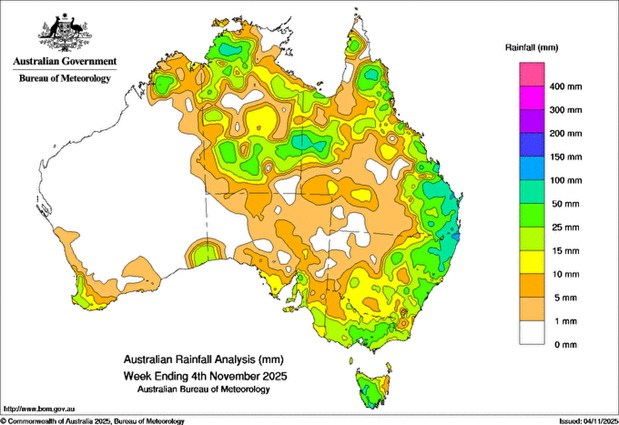
The rainfall has caused a drop in cattle numbers across major saleyards. With the indication of strong demand forecast to the end of the year, producers have gained confidence to hold on to animals for weight in some saleyards.
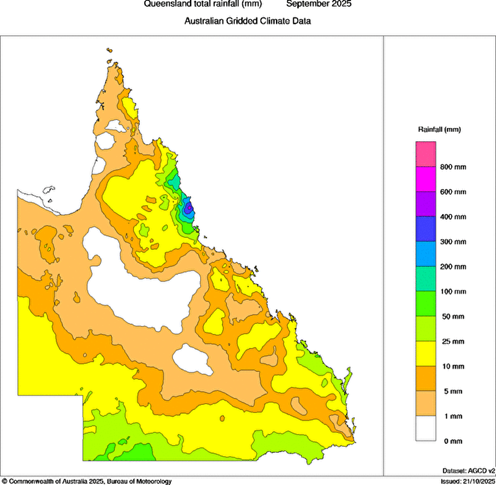
Over September, regions across Queensland (shown below) saw a lack of rainfall − pushing more stock into saleyards and directly through to processors. This was evident in the slaughter numbers reached two weeks ago, which were close to annual high numbers.
Saleyard buyers in the south were purchasing finished animals for processing. While the market was dear, stock was available. Moving through to this week’s sales, market reports indicate a southern purchasing shift to lighter-weight restocker animals.
Looking closely at the finished saleyard indicators, the National Heavy Steer Indicator and the National Processor Cow Indicator have both continued to climb.
Processor Cows are now fetching 399¢/kg liveweight (lwt) − the strongest price on record. Across NSW, these prices jumped 20¢ to 405¢/kg lwt.
Similarly, the National Heavy Steer Indicator is now sitting at 445¢/kg lwt. This is the indicator’s highest price since 2022.
Cattle going back to paddocks is often in high demand after significant rainfall. Both the National Restocker Yearling Steer Indicator and National Restocker Yearling Heifer Indicator lifted over the week. Steers were up 17¢ to 485¢/kg lwt and heifers up 17¢ to 403¢/kg lwt.
After the past two weeks of high slaughter numbers, there is likely to be a drop in the coming weeks as producers hold their stock. However, with cattle out in paddocks and feedlots, it appears 2025 slaughter records are still on track to be broken.

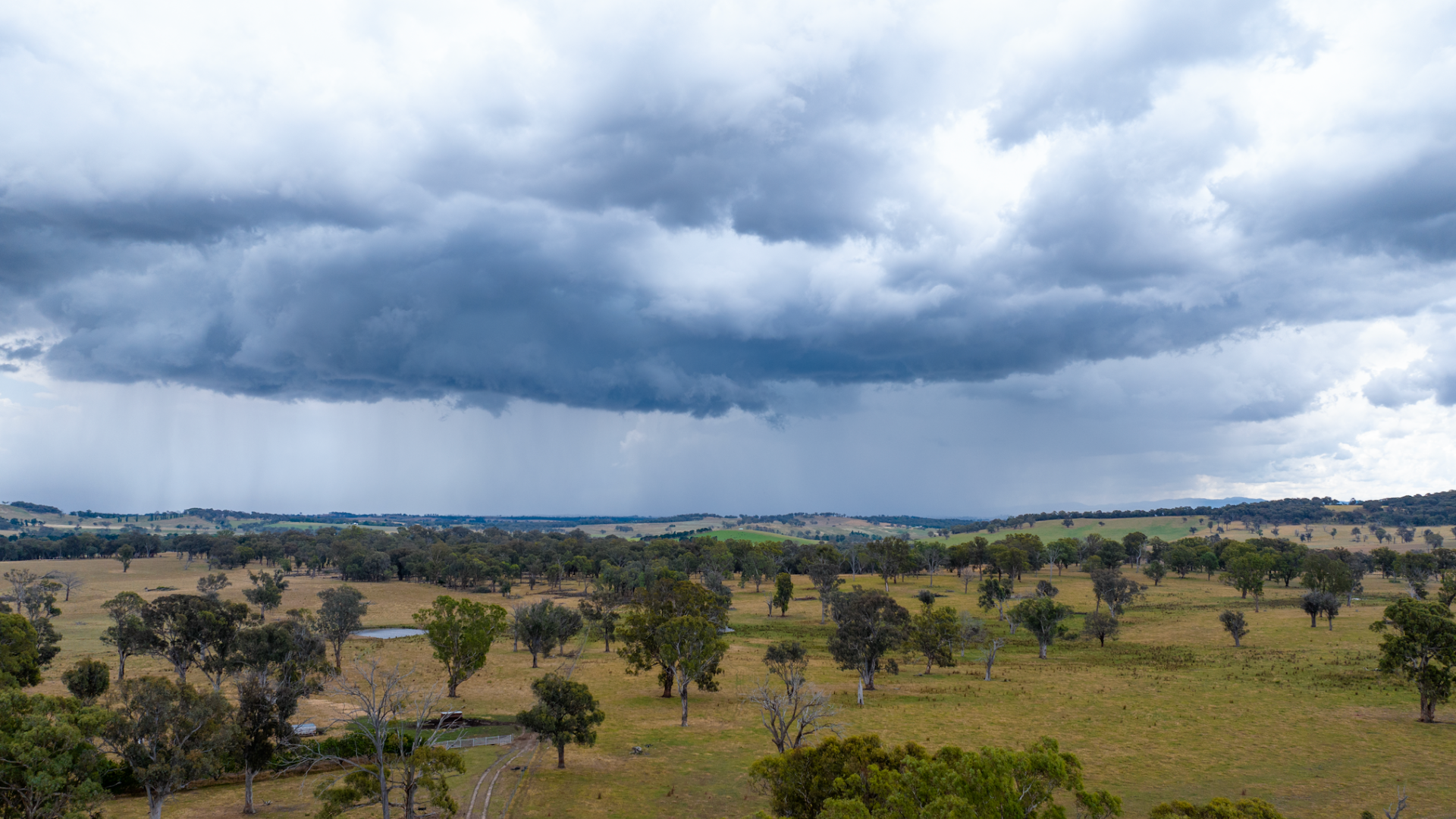
The forecast is looking promising for vast parts of Queensland and Northern NSW for the coming week.If you are looking for rain, of course.Rain will...
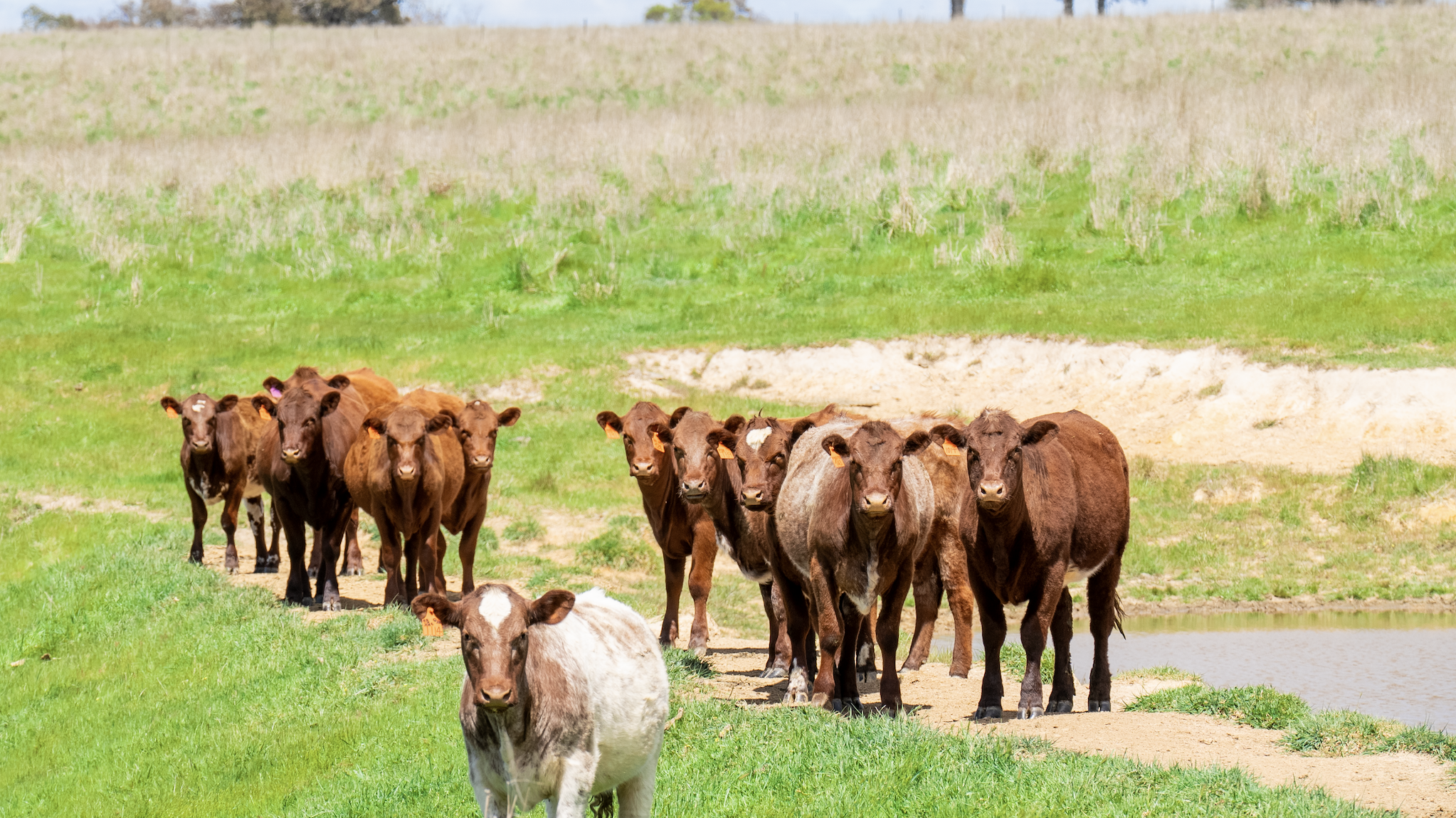
Grass is setting the pace in the cattle market, with restockers outbidding feedlots and processors on AuctionsPlus last week.
 Natasha Lobban: Oct 8, 2026
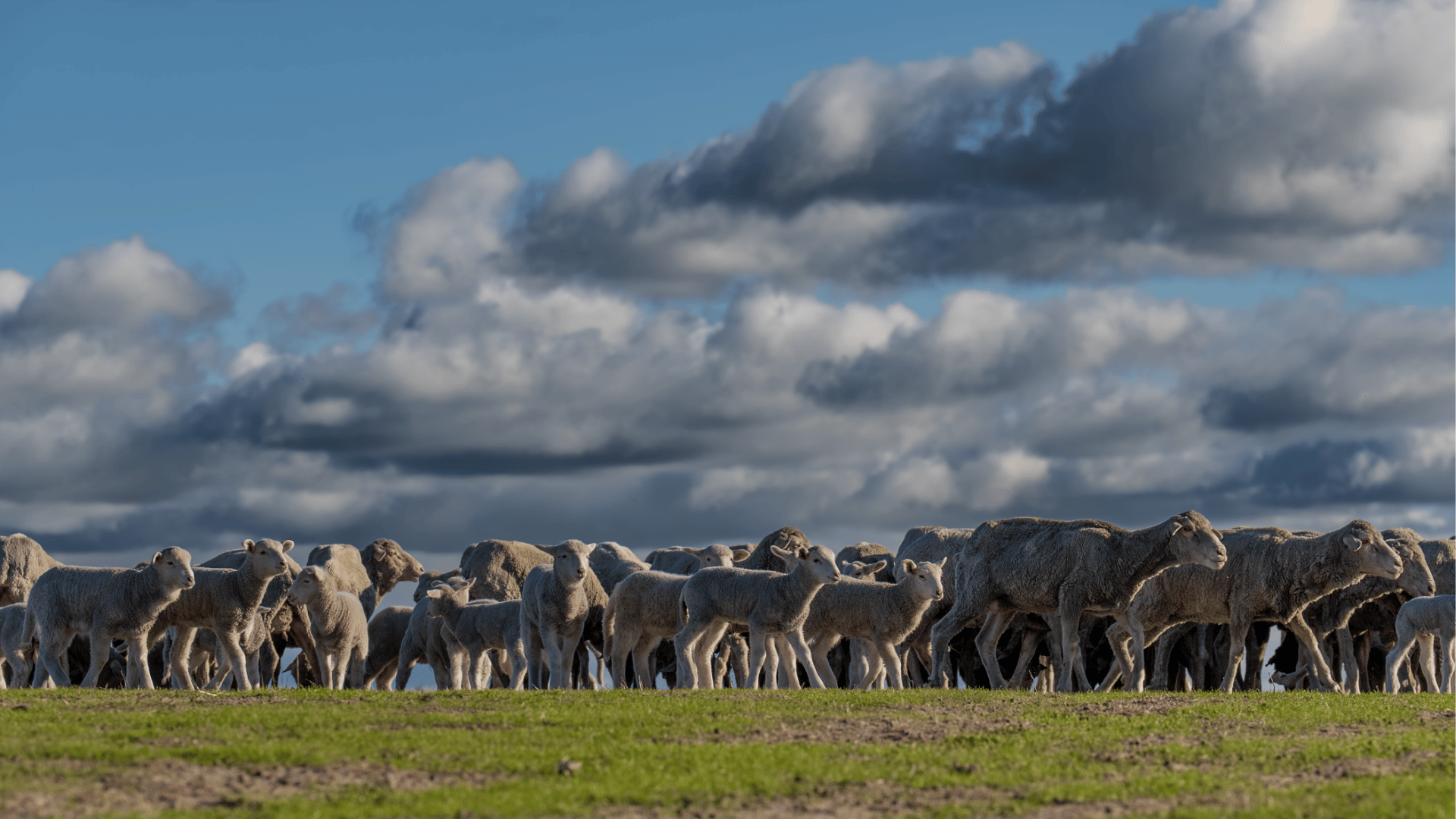
AuctionsPlus has recorded its biggest September for new season lambs in the past decade, with 218,871 head offered across the month.