
 Alex McLaughlin
Northern rain and the cost of freight
 Andrew Woods: Oct 14, 2026
The forecast is looking promising for vast parts of Queensland and Northern NSW for the coming week.If you are looking for rain, of course.Rain will...
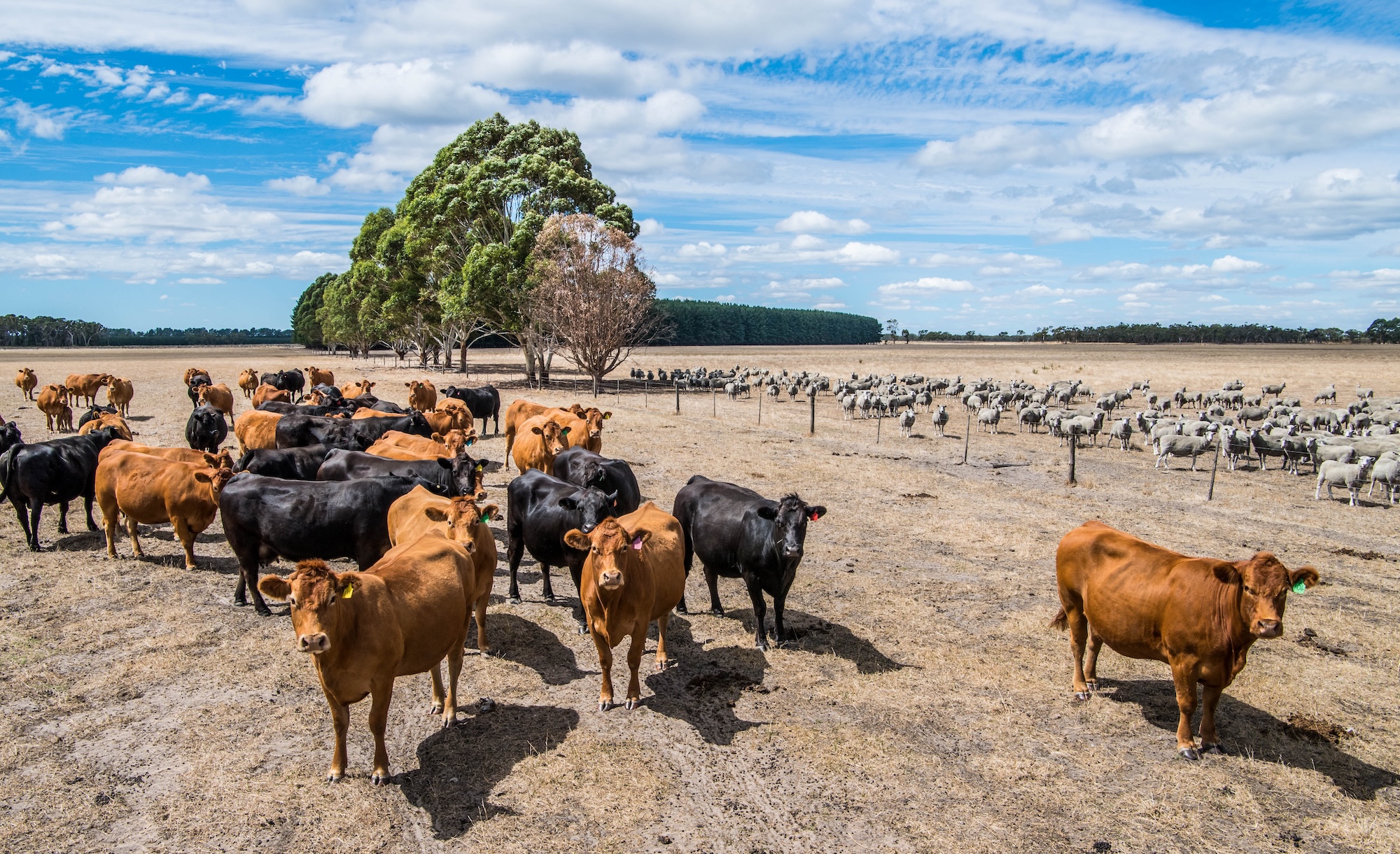
Our State of the Market Report tracks market trends across every state during FY2025. By looking at throughput, regional strengths, price indicators and top sales, the series aims to highlight both local dynamics and how each state compares on the national stage.
This week, we turn to South Australia - a consistent performer in both sheep and cattle, with the South East remaining the backbone of supply and standout top prices highlighting buyer demand for quality breeding lines.
South Australia contributed 3% of AuctionsPlus' national cattle throughput in FY2025. On a regional basis, supply was heavily concentrated in the South East, with the Lower South East accounting for 57% of listings, followed by the Upper SE, and Kangaroo Island.
While much of the state endured some of its driest seasons on record, the South East of Australia may of been able to retain their livestock longer possibly due to easier access to fodder and grain.
The broader catalogue over the year was led by breeding stock, with PTIC and NSM cows and calves drawing the highest premiums. Trade-weight steers and heifers also sold well when weight and genetics aligned, although buyer competition was more selective on lighter drafts.
Highlights from the weekly commercial cattle sales on AuctionsPlus included a small line of Simmental PTIC Cows & Calves which topped at $3,400/head.
Another highlight included a line of 66 Feeder Steers offered by the Kerr Family Pastoral Company from Allendale, in the state's lower South East.
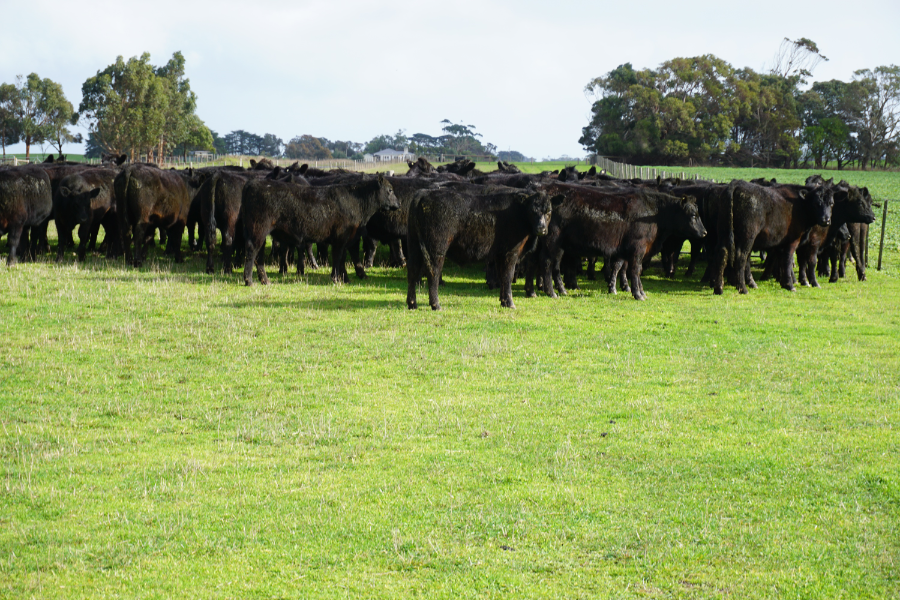
66 Feeder Steers offered by the Kerr Family Pastoral Company. Pic: Supplied via AuctionsPlus
The 14-month-old pure Angus steers averaged 420kg and sold for $2,170/head, equating to 943.5c/kg DW. They were assessed by Ethan Bronca, O’Connor & Graney, as “Greenhams Never Ever Accredited, Grass Fed Only, and Antibiotic Free.”
The AuctionsPlus Young Cattle Indicator (AYCI) for SA peaked at 448c/kg liveweight, (September 24, 2024), with an average assessed liveweight of 268kg. While lighter than Tasmanian or Victorian benchmarks, the figure still reflects steady restocker and feeder competition through the South East.
South Australia contributed 8% of AuctionsPlus' national sheep and lamb throughput in FY2025. Within the state, the Lower South East region delivered 28% of listings, followed by Kangaroo Island (22%) and the Upper SE (15%). This reinforced the South East as the engine room of SA’s sheep industry, with other districts constrained by extreme drought conditions that forced earlier turnoff or reduced sale volumes.
The AuctionsPlus Restocker Lamb Indicator (ARLI) for South Australia peaked at 1,185c/kg DW (10 May 2025), with an average liveweight of 39kg. This is the heaviest ARLI lamb profile among all southern states, underlining the finishing ability of South Australian lambs even in a dry season.
Among the top sales, joined and replacement ewe categories led the way. SIL composites and crossbred ewes consistently drew premiums, while Merino breeding ewes also held their ground as buyers looked to secure proven bloodlines despite the seasonal squeeze.
When it came to purchasing, South Australian bidders acquired around 22% of all national AuctionsPlus sheep sales in FY2025. Demand was led by the Lower South East (16%), Mid & Upper North (15%) and the Riverland & Mallee (13%), which together accounted for more than half of all SA buying activity.

 Andrew Woods: Oct 14, 2026
The forecast is looking promising for vast parts of Queensland and Northern NSW for the coming week.If you are looking for rain, of course.Rain will...
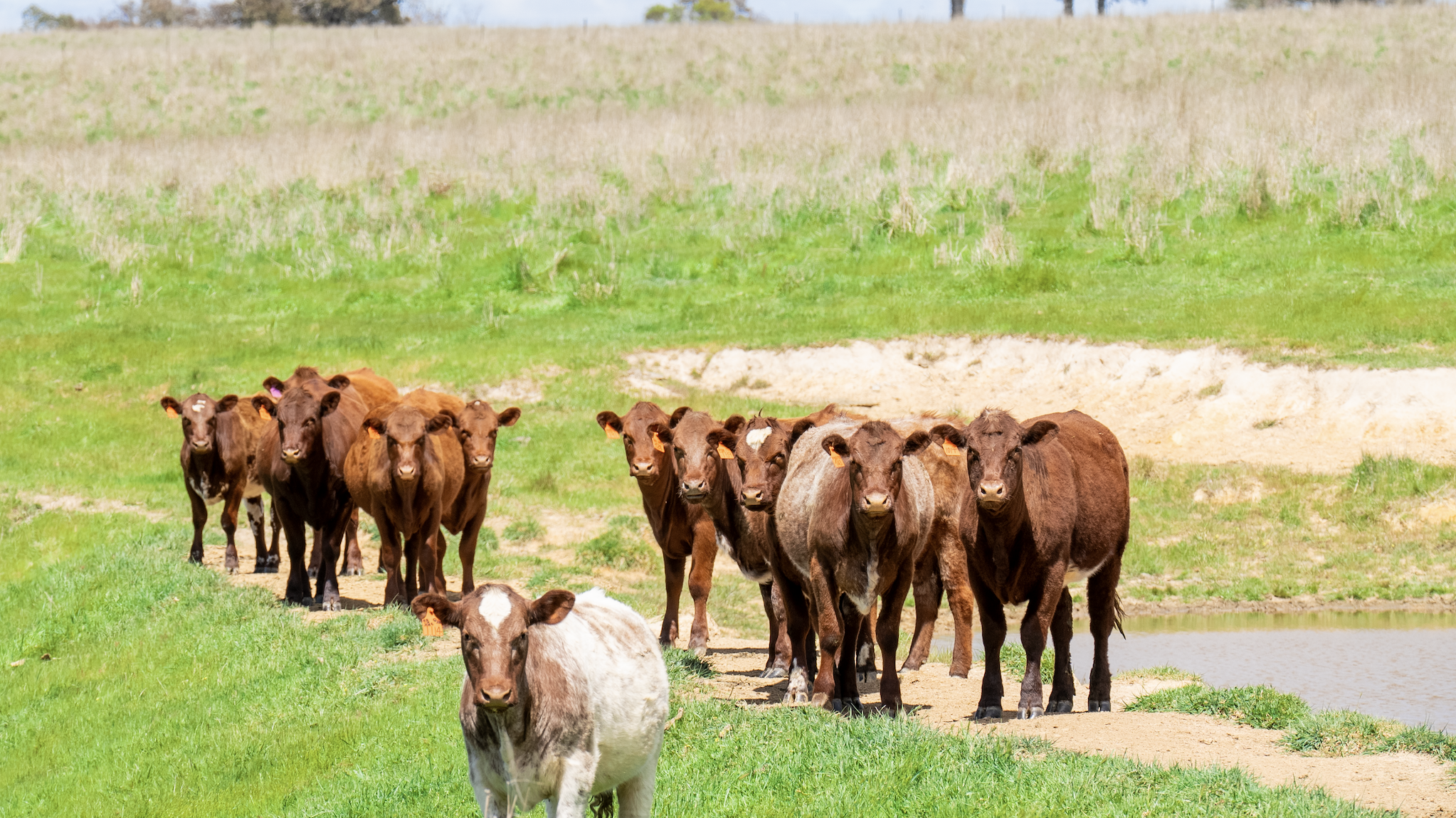
Grass is setting the pace in the cattle market, with restockers outbidding feedlots and processors on AuctionsPlus last week.
 Natasha Lobban: Oct 8, 2026
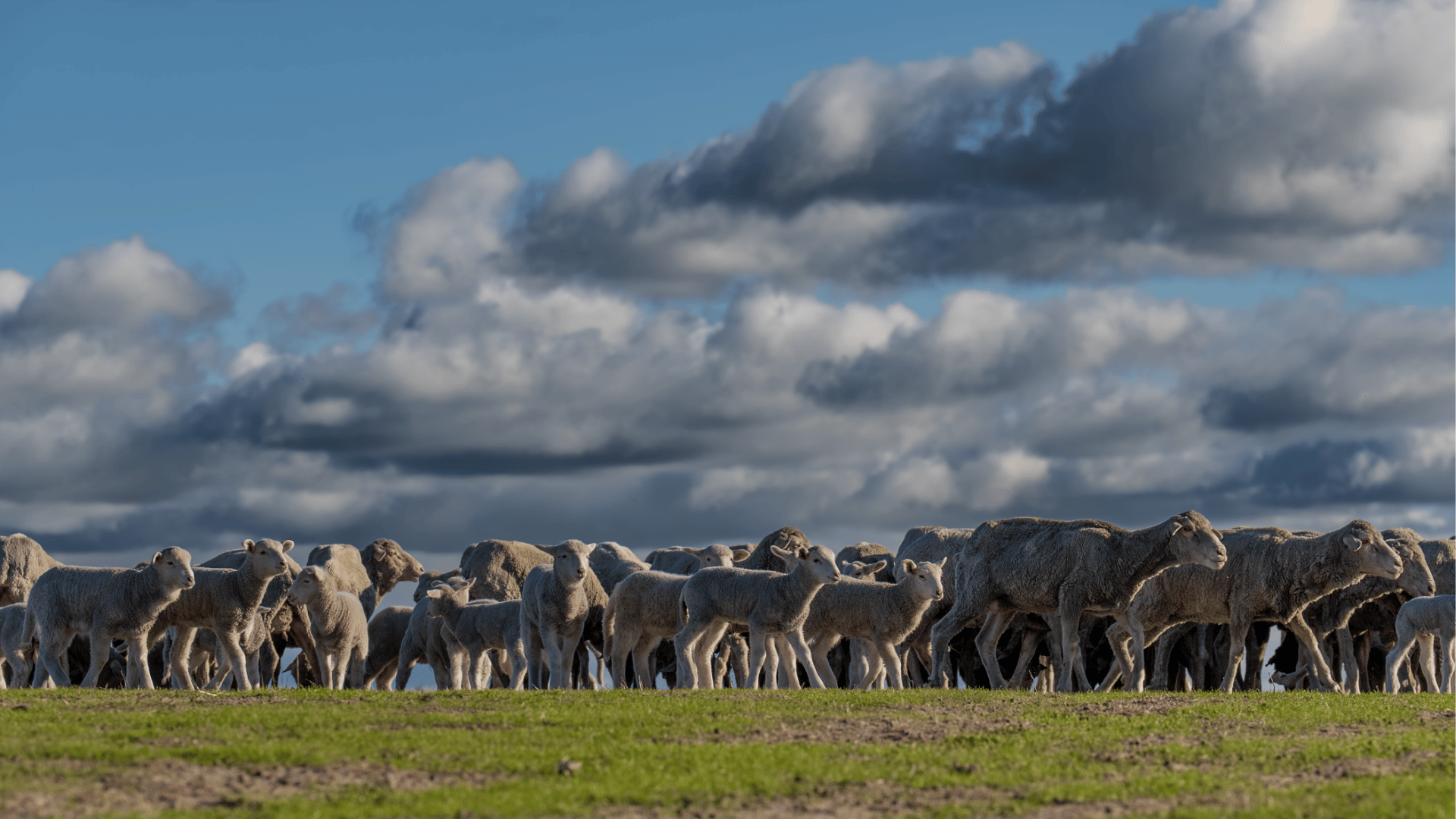
AuctionsPlus has recorded its biggest September for new season lambs in the past decade, with 218,871 head offered across the month.