
2 min read

Sheep flock contracts as industry braces for tighter supply

Sheep flock contracts as industry braces for tighter supply
3:25

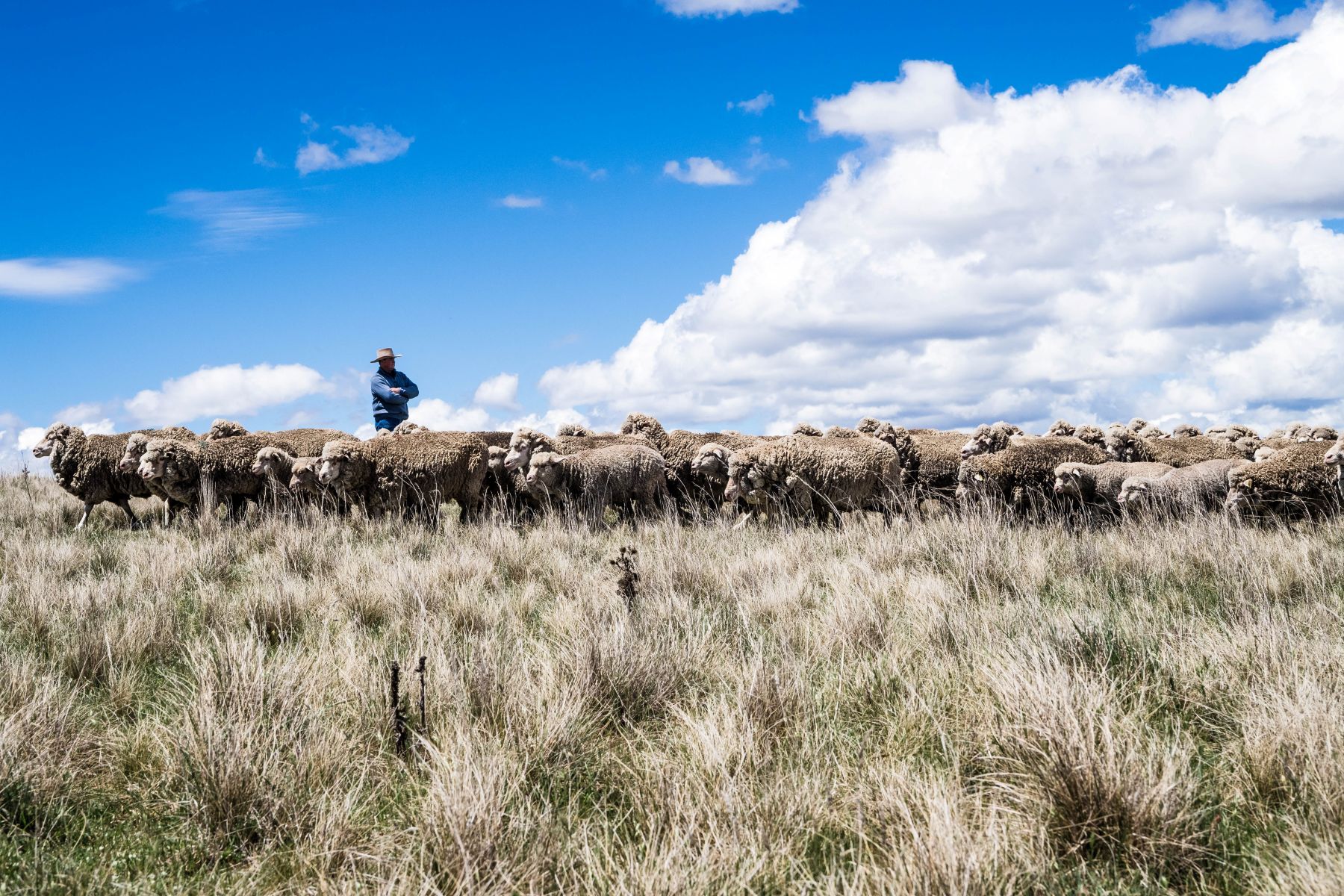
Australia’s sheep flock has fallen 6.2% to 74.2 million head as of June 2025, according to Meat & Livestock Australia’s (MLA) Australian Sheep Industry Projections – September Update.

The decline follows two years of below-average seasonal conditions across South Australia, Victoria and southern New South Wales, driving higher lamb slaughter and mutton turn-off.

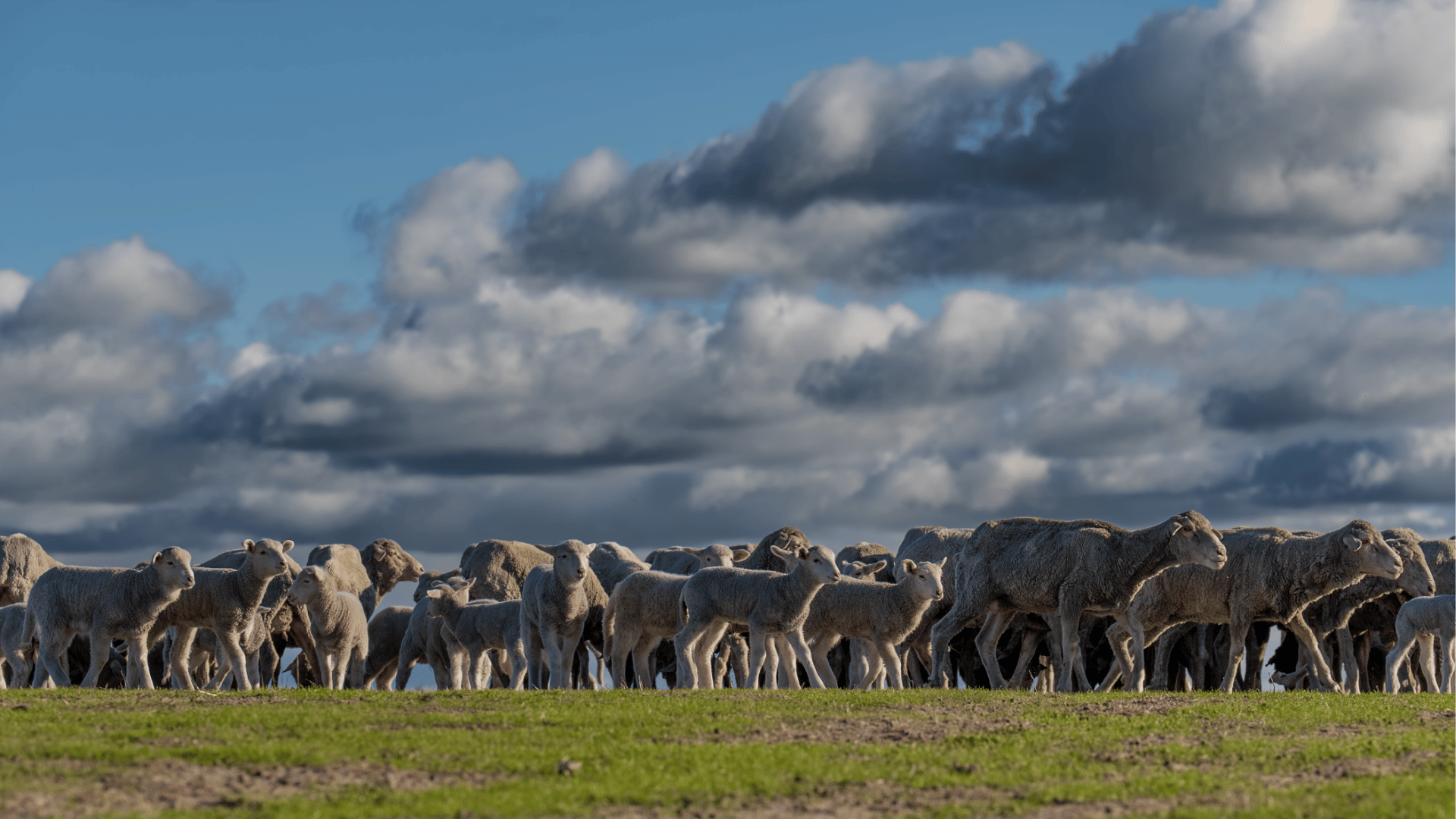
Lamb production is forecast at 610,000 tonnes in 2025, supported by heavier carcase weights through increased grain feeding. Lamb slaughter is tipped to reach 24.9 million head, down 5.8% from last year's record. Mutton slaughter is forecast to fall 15.4% to 9.97 million head as producers retain breeding ewes.

MLA Acting Market Information Manager Erin Lukey said improved finishing systems are helping buffer supply challenges.

“We are seeing producers respond to seasonal volatility by adopting supplementary feeding practices for heavier carcase weights and more strategic turn-off decisions,” Ms Lukey said.

“This approach helps offset the impact of reduced lamb supply and inconsistent pasture availability typically seen in areas experiencing below average seasonal conditions.”

Australia accounted for 54% of global sheepmeat exports in FY25. With New Zealand’s flock shrinking due to land use changes, Australia is well placed to maintain strong export volumes despite a production dip.

“Global supply is tightening, and Australia is in a strong position to meet demand,” Ms Lukey said. “Our reputation for quality and consistency continues to underpin export growth, particularly in premium markets.”

From January to August, live export volumes tracked 3% below last year after vessel shortages disrupted early 2025 trade. Demand from the Middle East remains strong, with competition between processors and restockers supporting conditions. However, regulatory changes and a forecast 30% decline in live export volumes by 2027 may intensify competition for suitable animals, particularly in Western Australia.

Assuming average seasons, the national flock is projected to lift 2.1% in 2026 and a further 4.3% in 2027, reaching 78.9 million head. A rebuild in ewe numbers will drive lamb production to a record 651,000 tonnes by 2027, supported by heavier carcase weights and increased use of grain feeding and lot-finishing systems.

Tighter supply from New Zealand and steady global demand are expected to support export opportunities, though domestic consumption could ease under higher prices.

MLA and AWI have also opened the latest Sheep Producers Intentions Survey to collect the latest data on the profile of Australia's flock and measures producer intentions for lambs and breeding ewes.


The bottom line

•    The national sheep flock has declined 6.2% to 74.2 million head, driven by poor seasonal conditions and elevated turn-off.
•    Lamb production remains strong at 610,000 tonnes, supported by heavier carcase weights and grain feeding.
•    Live sheep exports are tracking 3% below 2024 levels, with strong demand from the Middle East despite structural changes.


The Australian Beef Market in 2025: An Absolute Cracker

The Australian Beef Market in 2025: An Absolute Cracker

In this column in July, the StoneX H2 2025 Australian Cattle & Beef Market Outlook’s bold calls were analysed and assessed for what the final 6...

Read More >
A somewhat educated guesstimate

A somewhat educated guesstimate

Each December we save the last article of the year for a bit of a crystal ball gaze, as we try to bring together market fundamentals and work out...

Read More >
Wool market carries confidence into final sale before Christmas

Wool market carries confidence into final sale before Christmas

Australia’s wool market posted another strong performance this week, with all micron categories attracting solid support across the three selling...

Read More >