
2 min read

Sheepmeat production down, but values still to rise

Sheepmeat production down, but values still to rise
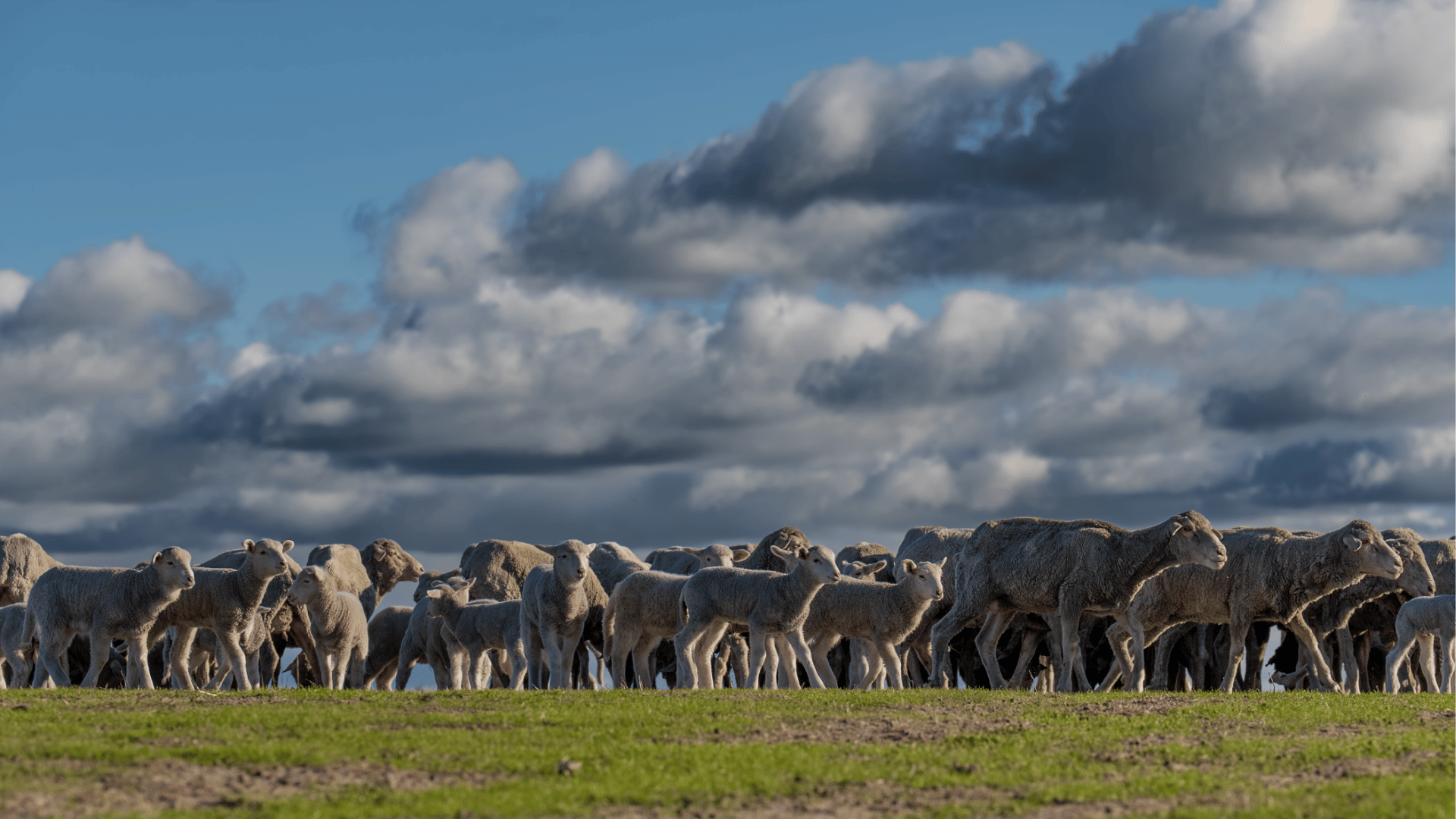
Pic: AgriShots
Sheepmeat production down, but values still to rise
3:42

The latest ABARES outlook for livestock products has sheepmeat production dropping for the 2025–26 financial year, pushing prices higher and potentially boosting global demand even further.

Changing seasonal conditions are expected to have meant lower lambing numbers leading into the year, but also more ewe retention later in the season, with flock numbers set to increase.

The ABARES outlook has 2025–26 lamb production dipping by 8% and mutton down by 26%, equating to a 15% lower total sheepmeat export volume from Australia.

They’ve given a range of 23.1 million to 24 million head for lamb slaughter, while sheep slaughter could be 8.3 million to 8.7 million head. The sheep flock is expected to increase by 4% to 66.9 million.

Once again, as with Meat & Livestock Australia’s (MLA) latest industry projections, the ABARES flock outlook is based on ABS figures, which have not been updated since 2021–22.

Prices are likely to head in the opposite direction from production, according to ABARES, with the National Trade Lamb Indicator to average 1085c/kg for the 2025–26 period, which would be a 31% increase from the 830c/kg it averaged in 2024–25.

So far for 2025–26, the NTLI week-end MLA reported figures are averaging 1123c/kg, having reached a peak of 1223c/kg in August.

The report predicts that a later flush of new-season lambs will put downward pressure on prices, but not significantly so, hence the significant increase year-on-year.

Unsurprisingly, given the current year-on-year premium, the National Mutton Indicator is set to improve markedly, rising 62% to 674c/kg.

So far in 2025–26 it is averaging 721c/kg, having hit a record week-end price of 803c/kg in the final week of September, which was 95% above the 10-year average price for that week.

Lower production means less sent offshore, and sheepmeat exports are expected to fall 15%, while live sheep exports will be back 28%.

Despite this, higher prices stemming from the deficits to be filled in key markets such as the United States and China will mean that the sheepmeat and live sheep export value for the 2025–26 year will actually rise 10%.

On top of Australia’s recent lower flock numbers, the New Zealand flock has fallen 23% in the past 10 years, indicating a dearth of global supply.

What does it mean?

The gross production value for sheep and lamb will rise 20% in 2025–26 according to the ABARES outlook, to 6.9 billion dollars.

This will be driven by strong global demand, which we have seen this year already, and supported by lower supply on the back of high sheep turn-off in recent years and lower lamb numbers this year. If the season goes with producers, restocking demand will add further strength to the market mix, maintaining prices.

The Bottom Line

  • Lamb and mutton production forecast to fall in 2025-26 due to seasonal conditions.
  • Prices are expected to increase over that period, more than 30% for lamb.
  • Global sheepmeat supply contracts on the back of smaller flocks, while demand is set to increase.

Nutrien Ag Solutions Registered - GradientJamie-Lee Oldfield is a seasoned agri-media, communications professional and livestock market analyst who lives and works on a family-owned stud and commercial beef and sheep operation in Coolac, NSW. 


Sheepmeat production down, but values still to rise

Sheepmeat production down, but values still to rise

The latest ABARES outlook for livestock products has sheepmeat production dropping for the 2025–26 financial year, pushing prices higher and...

Read More >
Red meat factors to watch into 2026

Red meat factors to watch into 2026

Australia enters 2026 with both the beef and sheepmeat sectors positioned at significant turning points shaped by evolving supply cycles, global...

Read More >
Global appetite drives Australian beef and goatmeat exports to new highs

Global appetite drives Australian beef and goatmeat exports to new highs

Australia has officially broken the record for the highest volume of beef exported in a calendar year, with year-to-date exports reaching 1.398...

Read More >