
2 min read

What is the appetite for restocking in the south?

What is the appetite for restocking in the south?
Pic: AgriShots
What is the appetite for restocking in the south?
3:07

With the selling-off of cattle from northern NSW and southeast Queensland, and plenty heading south, we’ve had some queries as to the appetite for restocking in higher rainfall zones of South Australia, Victoria and southern NSW.

This time last year we were seeing the southern cattle destock hit it’s peak, as a dry autumn and encroaching winter saw young cattle exiting in droves. A lot of these cattle went north and likely ended up going through backgrounding and feeding systems, helping drive record cattle on feed numbers over the last year.

This year the autumn is improved in the south, while the dry has moved to New England and surrounding areas. Cattle have been moving south in response to cheaper prices, despite increased freight costs, with early movers picking up stock at levels which, despite being down on spring and summer rates, are still stronger than this time last year.

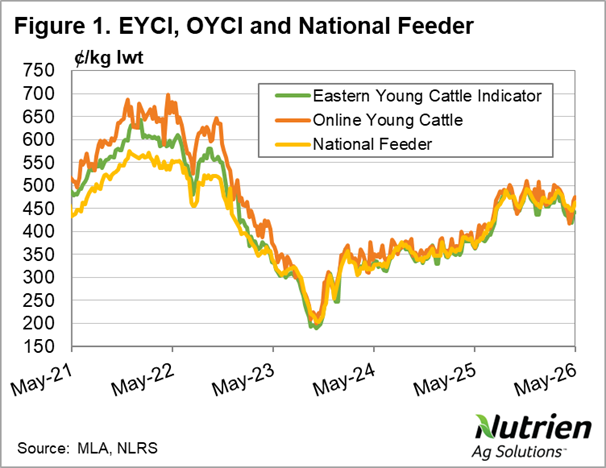
If fact, young cattle prices are still at their strongest May levels since the height of the restocking boom in 2022 (figure 1). There is a significant difference between May 2022 and now however, and it’s the relative price of young restocking cattle, shown by the online cattle indicator in figure 1, and the price of feeders.

Very good beef export prices are keeping a floor under all cattle markets. Back in 2022, a good season and a smaller herd meant it was restocker cattle prices dragging everything else higher.

Southern cattle regions may have improved grass and feed conditions, but water remains an issue in some areas. A wet winter is required to replenish water supplies, and this, along with the forecast of El Nino will have some potential restockers keeping their powder dry.

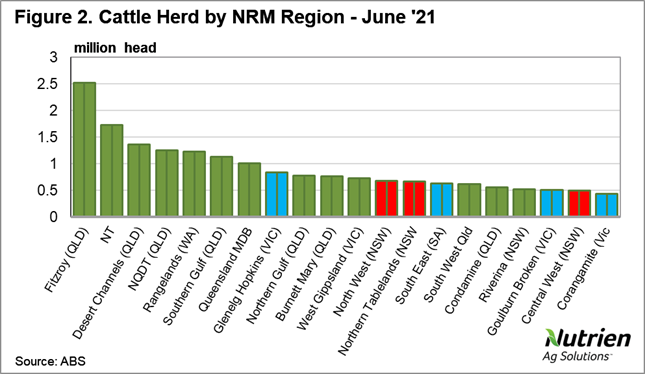
In terms of demand, figure 2 shows cattle number by region from June 2021, the last time this was measured. The blue regions are on the improve, while the red regions are dry. In June 2021 there were 578,000 more cattle in the blue than red. There are obviously plenty of other factors affecting cattle movement, but this tells us that there is likely capacity for further restocker demand.

What does this mean?

The forecast of rain for NSW this week has already seen prices bounce as sellers hold back to see what it brings, and buyers try to get in on the tail of the cheaper cattle. It is hard to see too much more price improvement without significant follow up rainfall. Downside is possible with a return to dry conditions, but a normal winter, and good spring in the south will limit price slippage.


The Bottom Line

  • Cattle have been travelling south in recent times as price falls negated freight increases.

  • After heavy destocking a normal winter would realise more restocking capacity.

  • It is hard to see cattle prices rising until the northern dry abates.


 Angus Brown brings over 20 years of expertise analysing Australian agricultural markets, and also runs a mixed farming operation in Hamilton, Victoria. 


What is the appetite for restocking in the south?

What is the appetite for restocking in the south?

With the selling-off of cattle from northern NSW and southeast Queensland, and plenty heading south, we’ve had some queries as to the appetite for...

Read More >
How rainfall is influencing cattle movement across the country

How rainfall is influencing cattle movement across the country

AuctionsPlus combines year-to-date rainfall data with cattle movement trends to show how regions across Australia are performing. The dashboard...

Read More >
Slow start for live cattle despite Indonesian market resilience

Slow start for live cattle despite Indonesian market resilience

Cattle live export numbers showed improvement in April as expected, rising above the five-year-average for the month, but year-to-date numbers are...

Read More >