
 Natasha Lobban
Did US trade policy move cattle prices? The data says no
 Steven Jaffery: Oct 21, 2026
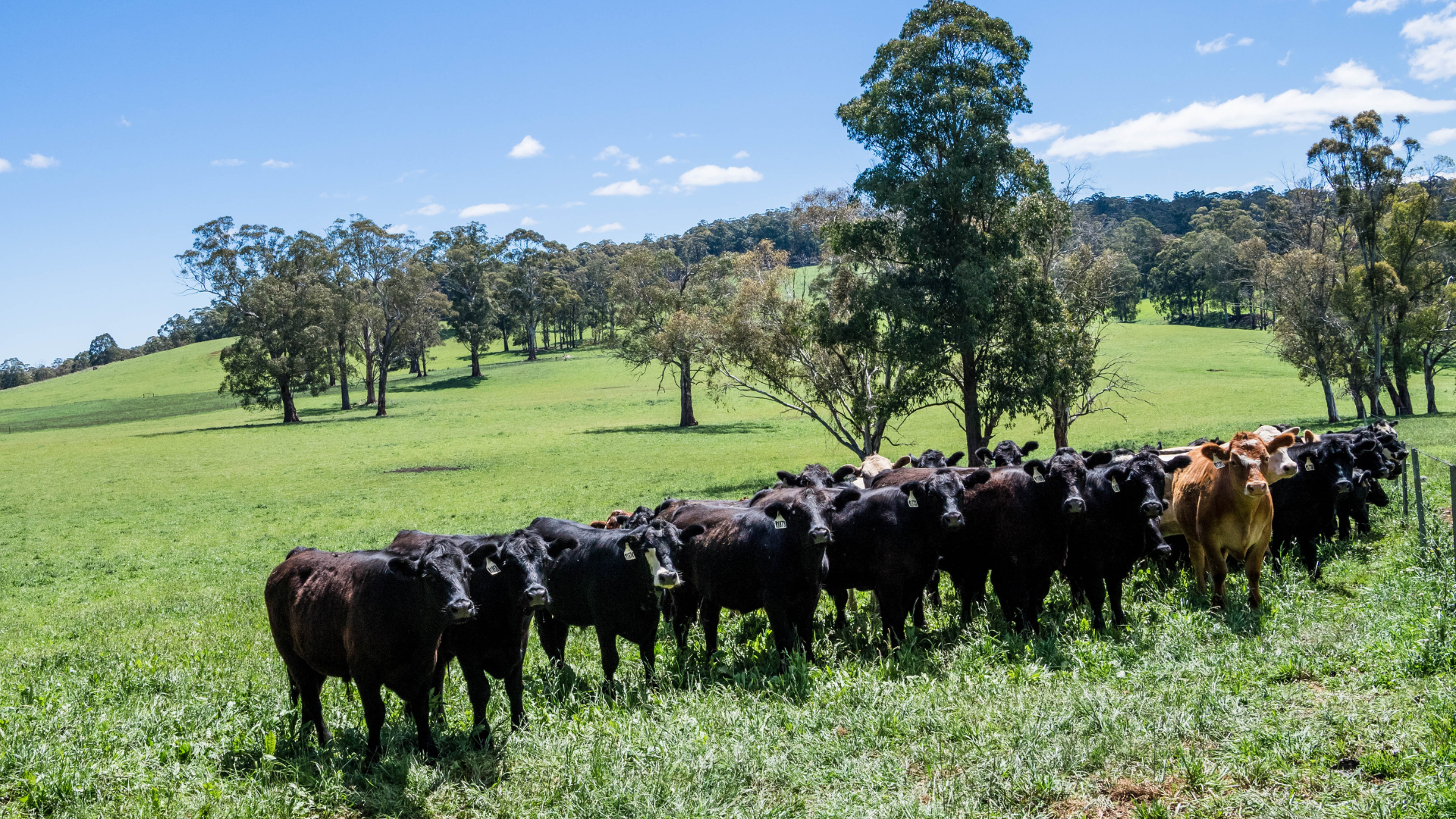
May brought solid rain to much of the eastern seaboard, but the year-to-date picture tells a different story. Across inland NSW, Victoria and SA, deficits against long-run averages remain deep, and the livestock market is responding. Dry regions have been listing heavily, while restocking is picking up where conditions have improved, with buying activity lifting noticeably across NSW last month.
The AuctionsPlus Rainfall Tracker has tallied the results from May, and across much of eastern Australia, it was a solid month on paper. Coastal and ranges NSW, Victoria, Queensland and Tasmania all recorded above-average rainfall for the month, with the heatmap showing deep blue across the eastern seaboard.
But zoom out to the year-to-date picture, and the story gets more complicated.
Across inland NSW and Queensland, many towns are still running well below their long-term averages. Muswellbrook sits at decile 1 for the year, tracking 34% behind average. Guyra is 40% back, Gundagai is down 14% and rated decile 4, while Roma is down 16% and Budgee 16% on the 2000-to-2025 average. West Wyalong is sitting above average at decile 8, 19% above average for the year.
Victoria is carrying some of the heaviest deficits on the tracker. Merton is rated decile 5, but is on a two month run of below average rainfall and tracking -17% under the 25 year average. Avoca is in a similar position, also decile 5 and 17% back, with two consecutive months below average. The tracker's YTD heatmap shows a broad red sweep across southern Victoria, reflecting just how persistently dry the region has been, not just this year but across several recent seasons.
South Australia and Victoria are a mixed picture. Parts of SA had reasonable falls in May, but towns like Inman Valley, Tintinara and Flaxman Valley remain deep in deficit country, still carrying the weight of several dry years. Narrung is the standout, recording just 97.5mm for the year, nearly 26% below average.
The southern coastline from SA through to the Limestone Coast tells a similar story, with the YTD map showing persistent red running down through that corridor.
Western Australia had a dry May overall, particularly across the south-west, with Boyanup and Manypeaks both sitting behind their long-run averages.
The one bright spot is northern Queensland, where Townsville has recorded 1,228mm year-to-date, 27% above its long-term average, though much of that reflects the region's heavy wet season earlier in the year rather than recent falls.
One month of good rain is welcome. But for many producers across the southern and inland belts, May alone won't shift the dial on what has been a persistently dry run.
The tracker below monitors rainfall data across more than 1,200 towns Australia-wide. Search your nearest town to see monthly breakdowns, year-to-date totals and decile rankings against the long-run average. It's best viewed on desktop to get the full picture.
The AuctionsPlus Livestock Flow and Rainfall Tracker tells a story that closely mirrors the rainfall picture across much of the country. Towns running below their long-term rainfall averages are listing heavily, while buyers are largely concentrated in areas where conditions have improved, even if only relative to a difficult recent run.
Across NSW, the net seller signal is strong. Walcha listings are up 48% on the long-run average, Glen Innes up 82%, Warren up 106% and Braidwood up 84%, all against rainfall deficits ranging from 12% to 58% below average. Texas in Queensland tells a similar story, with listings running 643% above average against a rainfall deficit of 52%. Goondiwindi is up 56% on listings with rainfall sitting 27% below average.
The net buyer picture is clearest in Queensland and parts of Victoria and South Australia, where conditions have improved relative to recent drought years even if they remain below the long-run average. Blackall in Queensland is a standout, with purchases up 204% on average against rainfall tracking 26% above average. Winton is buying 62% above average with rainfall 61% ahead of the long-run figure. The connection between improved conditions and restocking intent is direct.
In Victoria and SA the link is more about recovery than abundance. Colac is purchasing nearly three times its long-run average despite rainfall still sitting 34% below the long-term figure, but significantly better than last year's drought conditions. Keith in SA tells a similar story, with purchases up 114% on average in an area that has received more rain this year than last, even if the deficit against the long-run average remains.
Naracoorte offers a reminder that weather and market behaviour don't always move in lockstep. Despite recording rainfall close to its long-run average, the region is a net seller, pointing to other factors at play including market timing, enterprise decisions and seasonal management.
NSW is a market in transition. The Jan-May aggregate shows strong listing activity across the state, but buying has picked up markedly in recent weeks. That shift isn't fully captured in the data here, and the picture is likely to look quite different by the time June figures are in.
May delivered above-average falls across much of the eastern seaboard, but year-to-date deficits remain significant across inland NSW, Victoria and SA.
Dry conditions are driving heavy listing activity across NSW and Queensland, with towns carrying the biggest rainfall deficits also recording the largest spikes in listings against average.
Restocking is underway where conditions have improved relative to recent drought years, even where the long-run average gap hasn't fully closed.

 Matt Dalgleish: Oct 20, 2026
There is a growing perception that Australian cattle prices are becoming increasingly volatile, with larger price swings becoming a more prominent...
 Ripley Atkinson