
 Newsroom
Trump pushes for beef country-of-origin labelling in US
US President Donald Trump has signed executive orders aimed at helping cattle ranchers protect their herds from wolves, expand meat processing and...
Australia’s national science agency, CSIRO, in partnership with Meat & Livestock Australia (MLA) and Google Australia, has launched a global competition with a $114,000 prize pool to advance the use of artificial intelligence (AI) in agriculture.
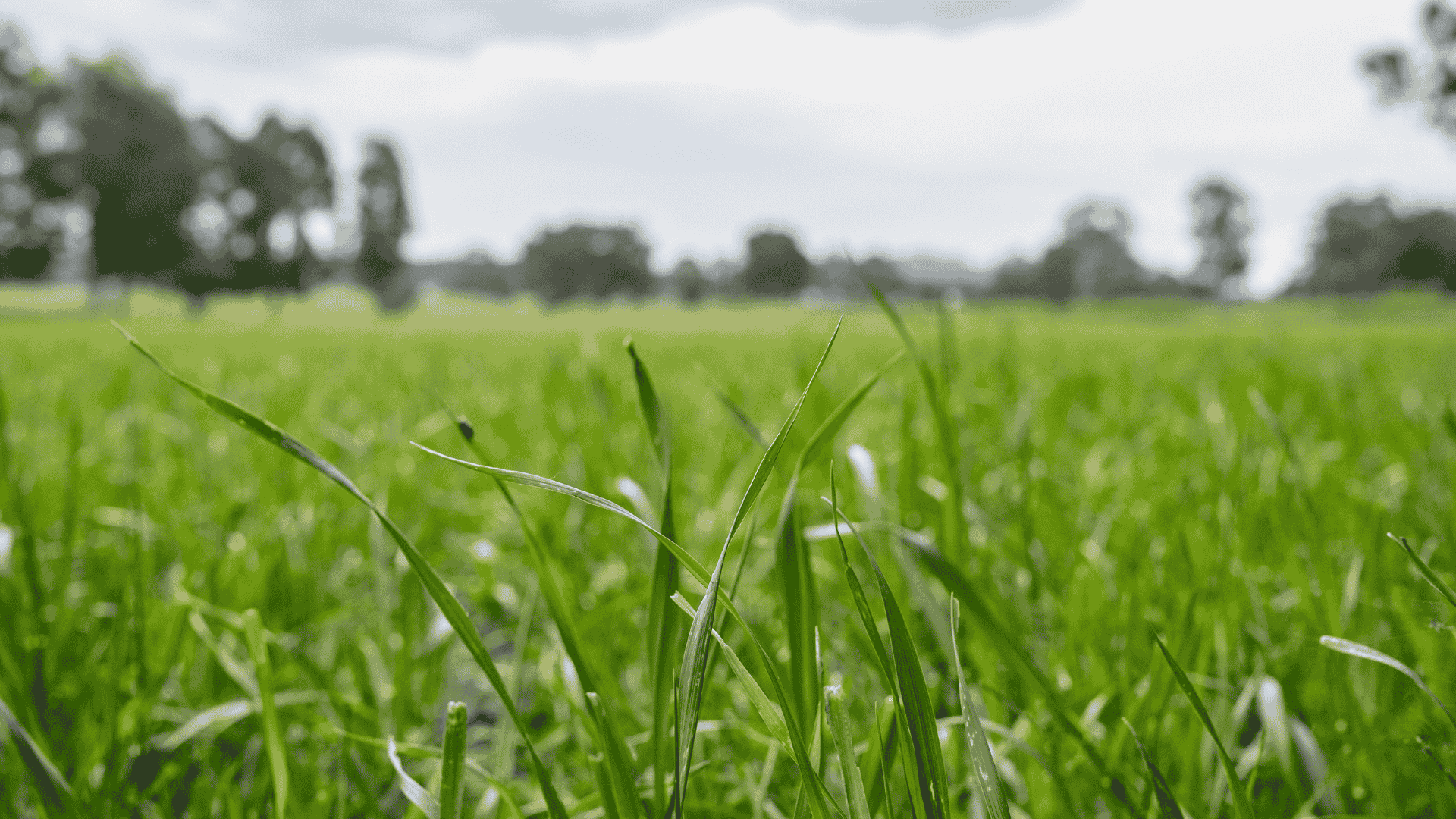
Hosted on Kaggle, the challenge seeks to improve the accuracy and efficiency of estimating pasture biomass. This is the amount of grass and other edible plants available for livestock to graze, a critical factor in grazing management that impacts productivity, environmental sustainability and biodiversity.
Competitors will use pasture images linked with detailed field measurements to train an AI model to estimate pasture availability for livestock.
CSIRO Senior Principal Research Scientist Dr Dadong Wang said the images capture diversity across seasons, geographic locations and pasture species compositions.
“Each image is paired with detailed measurements, such as how tall the plants are and how green and healthy they look, based on how the pasture reflects light,” Dr Wang said.
“By combining images with field data, we’ve collated a dataset that allows AI models to learn in more than one way.
“It can estimate pasture biomass directly from the images or combine the images with plant health and vigour information to produce even more accurate results.”
Participants will use images to predict the amount of pasture available and the quantity of other plant species, like clover, with greater accuracy and usability than current approaches.
This could reduce the need for manual sampling, provide farmers with faster and more reliable information to guide grazing decisions, and shape the next generation of digital pasture measurement tools.
MLA’s Group Manager – Science and Innovation Mr Michael Lee said the prospect of new methods to improve pasture biomass estimation was exciting.
"If successful, an AI-powered, machine vision approach will reduce the time and cost associated with manual sampling,” Mr Lee said.
"The rapid and accurate differentiation of biomass components also feeds into improving producer’s ability to both determine current pasture quality, as well as predicting quantity and quality into the future.”
Google Australia’s Partnerships Principal Mr Scott Riddle said the project shows how research and industry can work together to address real-world challenges.

US President Donald Trump has signed executive orders aimed at helping cattle ranchers protect their herds from wolves, expand meat processing and...
A cattle farming couple are making a call-out for information after the theft of more than 140 prized stock from their rural property.

 Natasha Lobban: Aug 13, 2026
Gary Driscoll's LandCruiser is up for sale just short of the 1,000,000km mark, and he reckons he'd have got there a lot sooner if AuctionsPlus hadn't...