
 Natasha Lobban
Trump pushes for beef country-of-origin labelling in US
US President Donald Trump has signed executive orders aimed at helping cattle ranchers protect their herds from wolves, expand meat processing and...
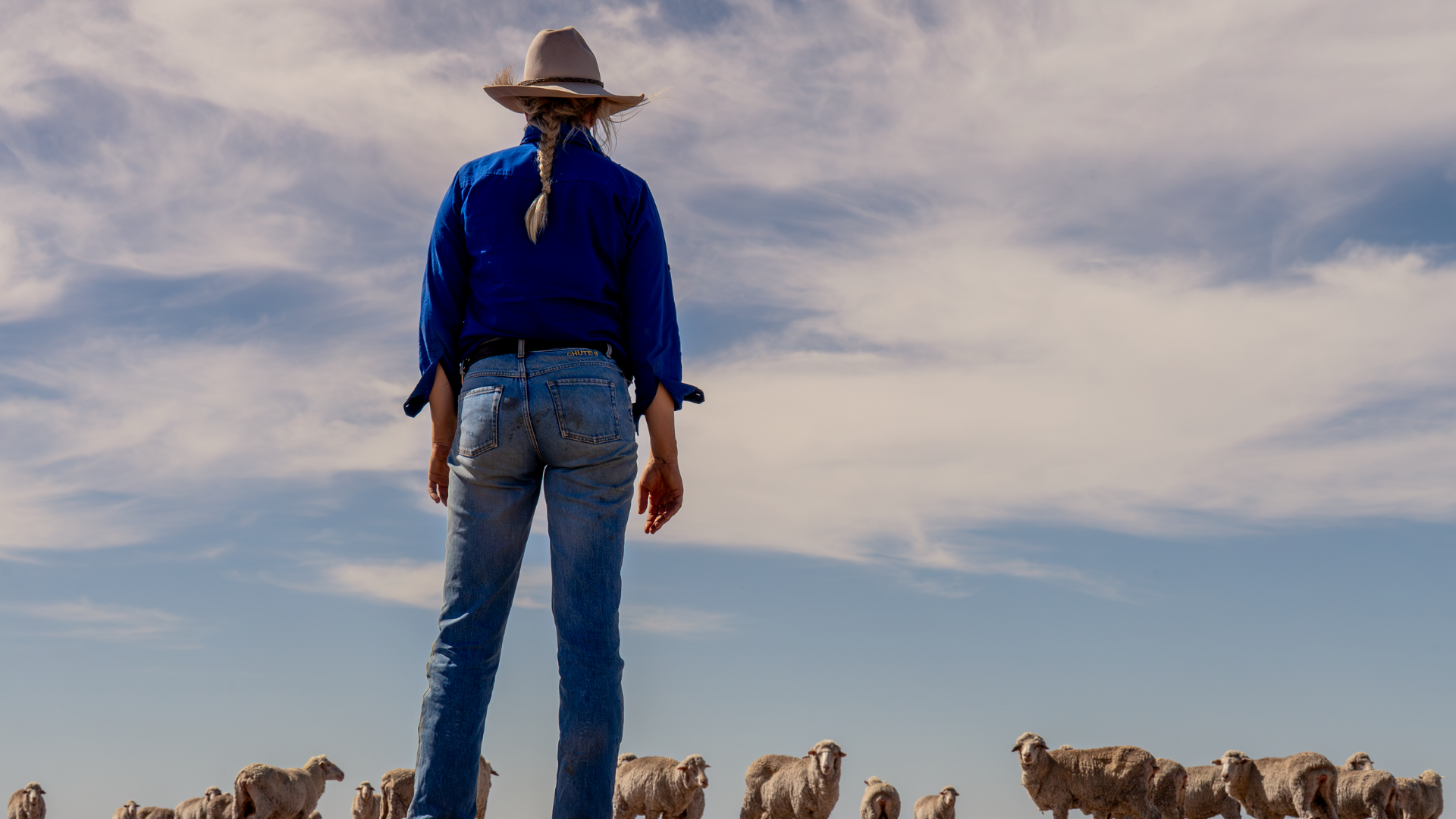
Livestock-related injury claims have surged 40% in the past year, emerging as one of the fastest-growing risks on Australian farms, as new data confirms a farm death is occurring every six days nationally.
Farmsafe Australia's 2026 Safer Farms Report, released this week to mark National Farm Safety Week, found 53 people died on Australian farms in 2025 and a further 182 were seriously injured. Since 2019, 427 lives have been lost, averaging more than one death a week for seven consecutive years.
Of last year's fatalities 91% were male and six were children, while injuries in the same time period were made up of 77% males and 14 children. NSW recorded the highest number of deaths at 16, followed by Victoria with 15 and Queensland nine.
For livestock producers, the report carries a specific warning. WFI Insurance workers compensation data cited in the report shows livestock-related claims are now the highest they have been this decade, and "hit by animal" has overtaken vehicle rollovers and falls as the single largest mechanism of injury on Australian farms, accounting for a fifth of all claims.
Grain-sheep and grain-beef cattle enterprises remain the most frequent incident sector, making up 44% of all claims, with beef cattle farming steady at 20%, in line with last year.
The data also points to where those injuries are landing. Hands and knees are copping the brunt of it, with knee injuries occurring at double last year's rate. Fractures and soft tissue trauma remain the leading injury types nationally.
Vehicles, however, are still the biggest killer. Tractors, side-by-sides and quad bikes remain the leading causes of farm fatalities, a pattern Farmsafe Australia Chair Felicity Richards said should sharpen focus on everyday behaviour rather than one-off fixes.
"Most incidents don't happen because people don't care about safety. They happen during routine jobs, busy periods and moments of pressure when shortcuts begin to creep in," Ms Richards said.
"It's simple things like wearing a helmet, putting on a seatbelt, reducing speed and using rollover protection that can make a real difference."
Ms Richards said the standards set on farm, whether around machinery, livestock handling or fatigue, shape what others come to see as normal.
"Whether we realise it or not, those moments matter because they become the standards we set and the standards others follow," she said. "Culture isn't built through posters or paperwork alone. It's built through what people see."
This year's National Farm Safety Week campaign, "Set the Standard: Show 'em how it's done", runs from July 20-25 and is asking farmers, agents and agribusinesses to consider the example they set for workers, family members and the next generation coming up behind them.

US President Donald Trump has signed executive orders aimed at helping cattle ranchers protect their herds from wolves, expand meat processing and...
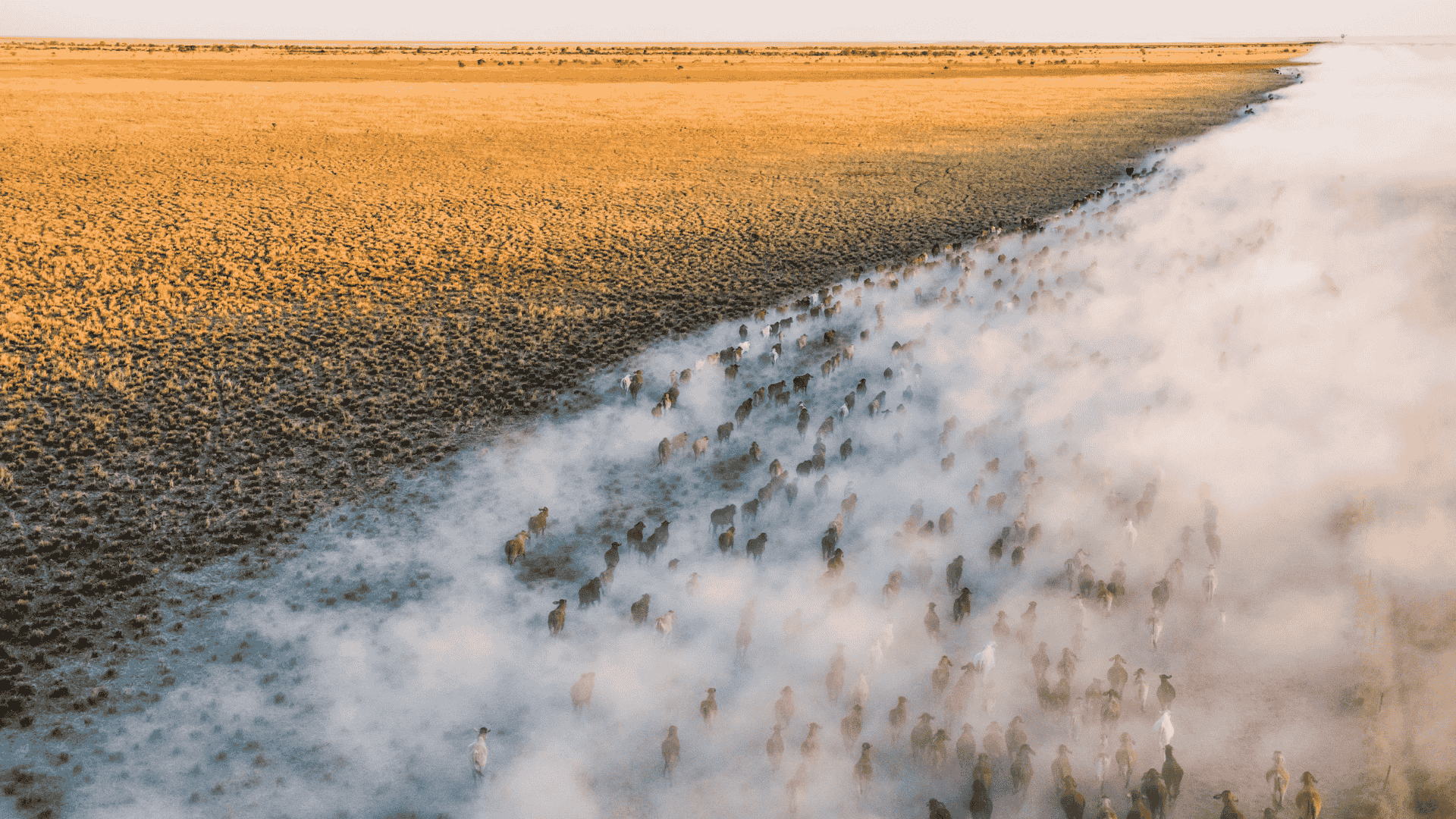
A cattle farming couple are making a call-out for information after the theft of more than 140 prized stock from their rural property.

 Natasha Lobban: Aug 13, 2026
Gary Driscoll's LandCruiser is up for sale just short of the 1,000,000km mark, and he reckons he'd have got there a lot sooner if AuctionsPlus hadn't...