
 Natasha Lobban
Sam Platts named Industry Woman of the Year
 Natasha Lobban: Oct, 6, 2026
Sam Platts of Nutrien Ag Solutions Bombala has been named Industry Woman of the Year, powered by Zoetis, in the 2026 AuctionsPlus Awards. The win...
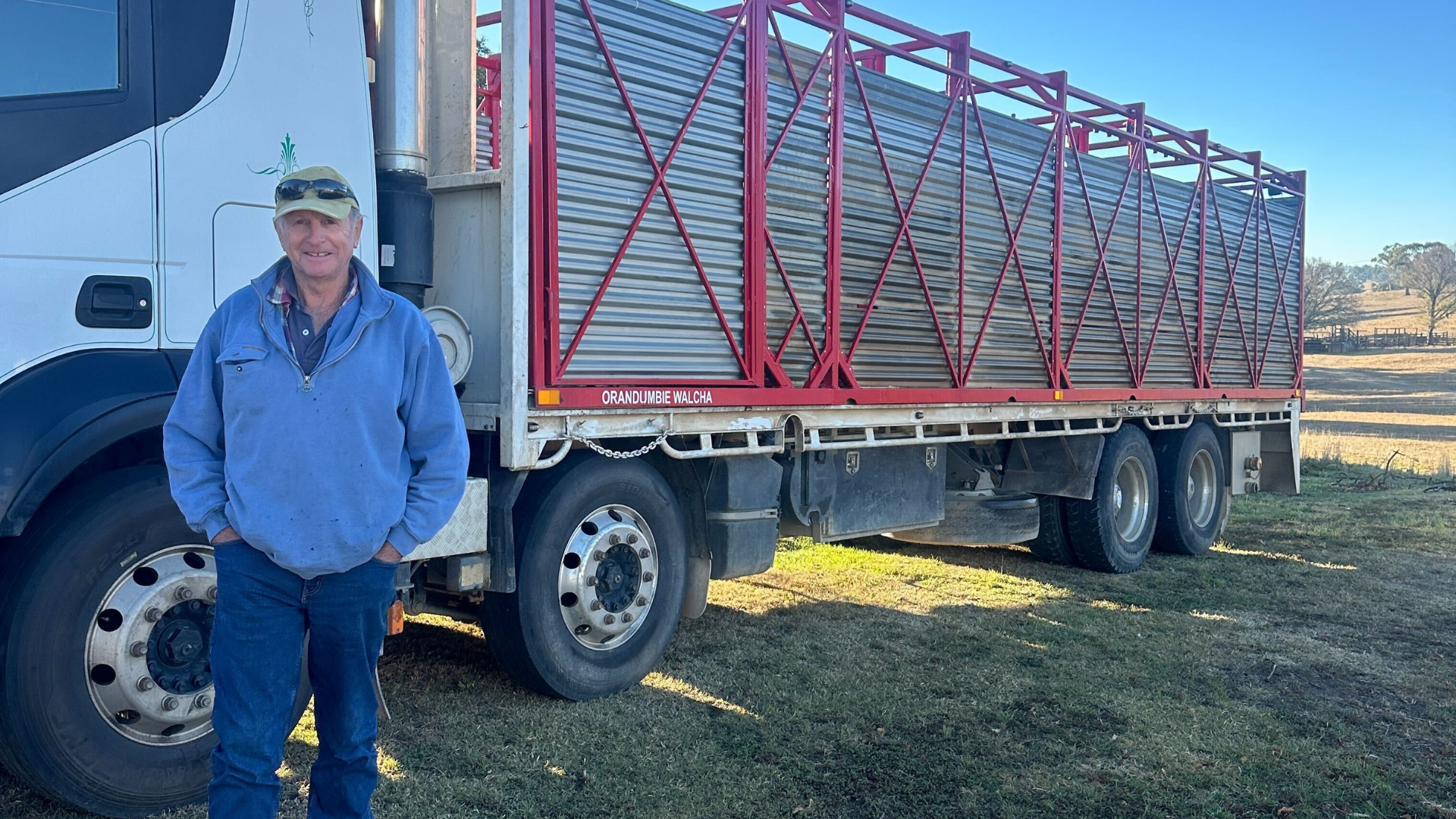
Daniel Kermode's three dogs sat quietly on the dam bank, watching as he fought to keep himself alive beneath a quad bike, pinned in the water, holding his own head above the surface on his Walcha property.
"The buggers sat 20 yards away in a nest, keeping themselves warm of all the things in the sun, looking at me with the most quizzical look. They're no Lassies, I can tell you, I couldn't send them to go find Carnie (his wife)."
When he finally heard his young worker Will Jameson's two-wheeler nearby, he sent Dude, Ringer and Spud with just two words "go back" and they raced more than half a kilometre and helped guide the rescue team Mr Kermode so desperately needed.
Exactly how the emergency crews were lead to Mr Kermode remains unclear, but somehow, and against all odds, help arrived.
His right hand was in the dam holding his head up out of the water and his left hand was up against the bike to stop it coming any further over him. To use the phone he had to lift himself using his core, retrieve the sodden phone from his pocket and call for help, all without mobile service.
"I was pinned in the water and my phone was in my front right pocket, which was underwater, so it's a miracle it ever worked," he recalled.
"I tried to send Carnie, my wife, a text, because it's not far to a set of sheep yards, and every now and then, a text goes from there, but not often, and it wouldn't go.
"So then I dial 112, and the phone started giving me alerts that it couldn't see the satellites clear and it was giving me directions as to where to move the phone, saying up and to the left.
"I've cancelled the call and dialled it again, there's a run of things you can do. What's your situation? Yada yada yada. And I just said, 'crush injury in water', and threw it, lobbed it over the top of the bike up the paddock, so that at least it had a clear view of the satellite. And after that, it's all history, they come and found me an hour and a half later."
At the time he had no way of knowing if help was coming and his condition was deteriorating.
"By the time I'd done an hour and 40 minutes I was on the verge of giving up. As the sun went under the hill and it got cold and I started shaking I was wondering 'what's going on?'
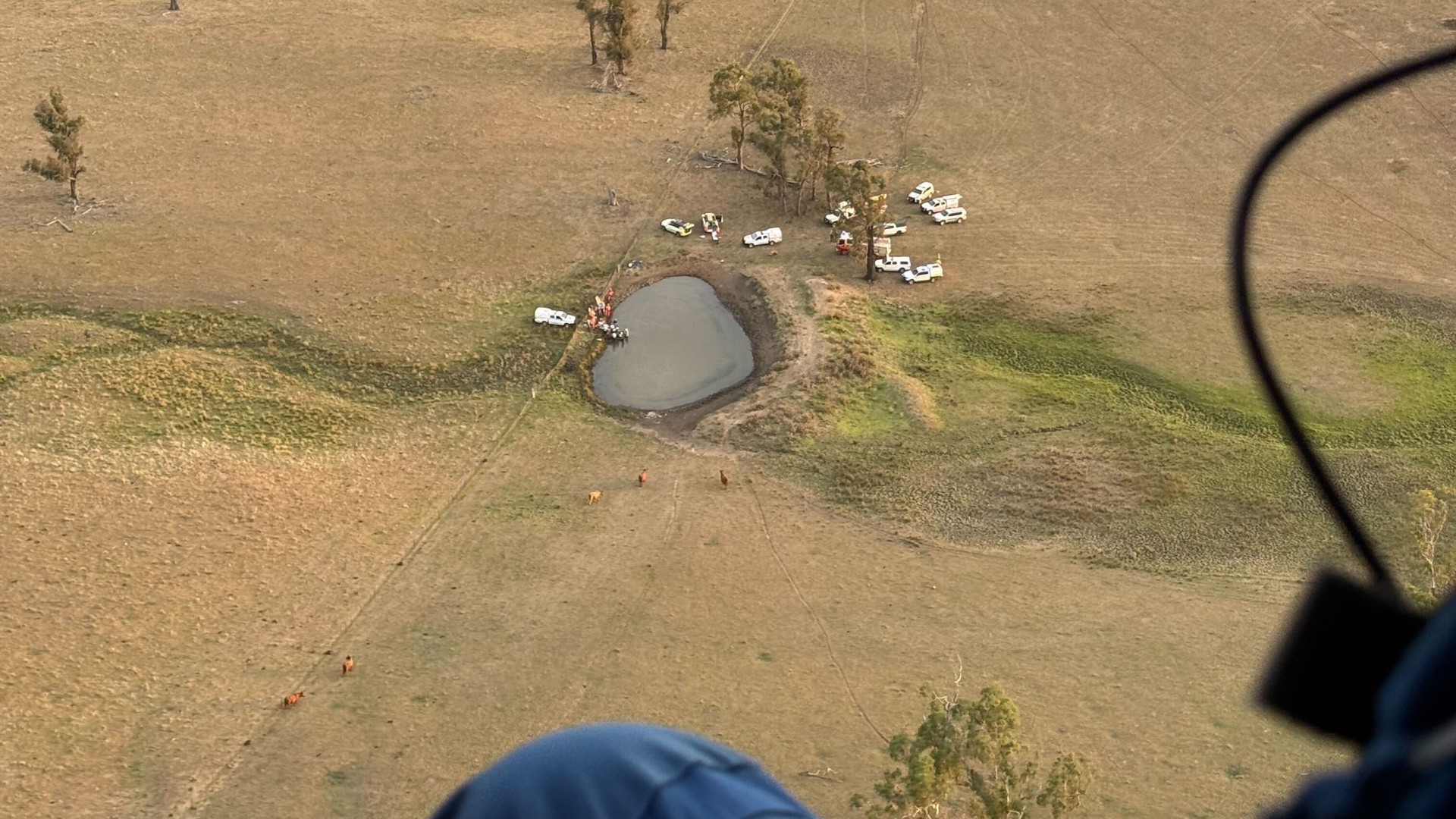
Emergency teams, including an air ambulance helicopter from Sydney, were brought in to assist. Pics: Supplied
Forty two minutes after he lobbed that phone, the local emergency services received notification of an emergency at a set of GPS coordinates. There was no name and no description, just a location. The Rural Fire Service (RFS), Police, State Emergency Service (SES) and Ambulance services all began making their way towards it.
It's not known why it took so long for the message to reach emergency services, but as soon as they were notified they jumped into immediate action.
One of the first responders was Walcha RFS Crew Leader James Goodwin.
"This will be the first time that we've responded in our area to an emergency call to just a set of GPS coordinates and no other details," Mr Goodwin said.
As crews approached, they pulled up the coordinates on their onboard systems, quickly realising it was a dam. It immediately created an uneasy feeling, dams in rural communities are a dangerous location, and due to a recent tragedy in the community, it carried an even greater weight.
Access to the site was far from straightforward. The location sat beyond a river crossing and across difficult terrain, making it impossible for vehicles to reach directly. Some members of the team grabbed flood rescue and first aid gear and pushed ahead on foot across paddocks, while others worked to find a way through by vehicle.
The team on foot came across Will Jameson, who had finished yard work and had set off to help his boss, under the assumption the herd was being difficult to shift.
The young man took off on his two-wheel bike towards the area the rescuers had identified and was the first to find Mr Kermode, with the help of the trusty dogs.
It wasn’t until he arrived at the dam that Mr Goodwin realised that the man pinned in the water was someone he had known for more than 50 years.
“That just shows that even if we only got a set of GPS coordinates and nothing else, we will go looking for you," he said.
Mr Kermode will be forever grateful.
“I actually owe my life to him… he didn’t take it as a pocket dial… he took it as we better get our ass out there,” Mr Kermode said.
It’s a detail Mr Kermode won’t forget - just one of many in a story that came frighteningly close to ending very differently.
Another was that the motorbike motor ran for the first hour and a half after the fall, a constant soundtrack that had devastating affect when it cut out.
"There's so many things in this whole story that are a bit freakish. The motor ran, so the vibrations of that allowed me to wiggle both toes all that time. So then, when the motor stopped, the pain level went through the ceiling, because all of a sudden I lost circulation in my right foot," he said.
Thankfully he was found soon after. From there, the response escalated rapidly. The RFS, SES crews, police, ambulance and neighbours converged on the location, followed by an air ambulance helicopter dispatched from Sydney - a $45,000 mission that highlights both the cost and the importance of emergency response in regional Australia.
On the ground, it was the smallest actions that made the biggest difference. One volunteer used the motorbike seat as a cushion to prop up his head and sat with him in the water, another placed hand warmers under his arms, which Mr Kermode described as the “best thing out of all”.
It was dark and nearly three more hours before he could be safely freed and airlifted to John Hunter Hospital, as crews waited for the appropriate medical support due to the crush injury.
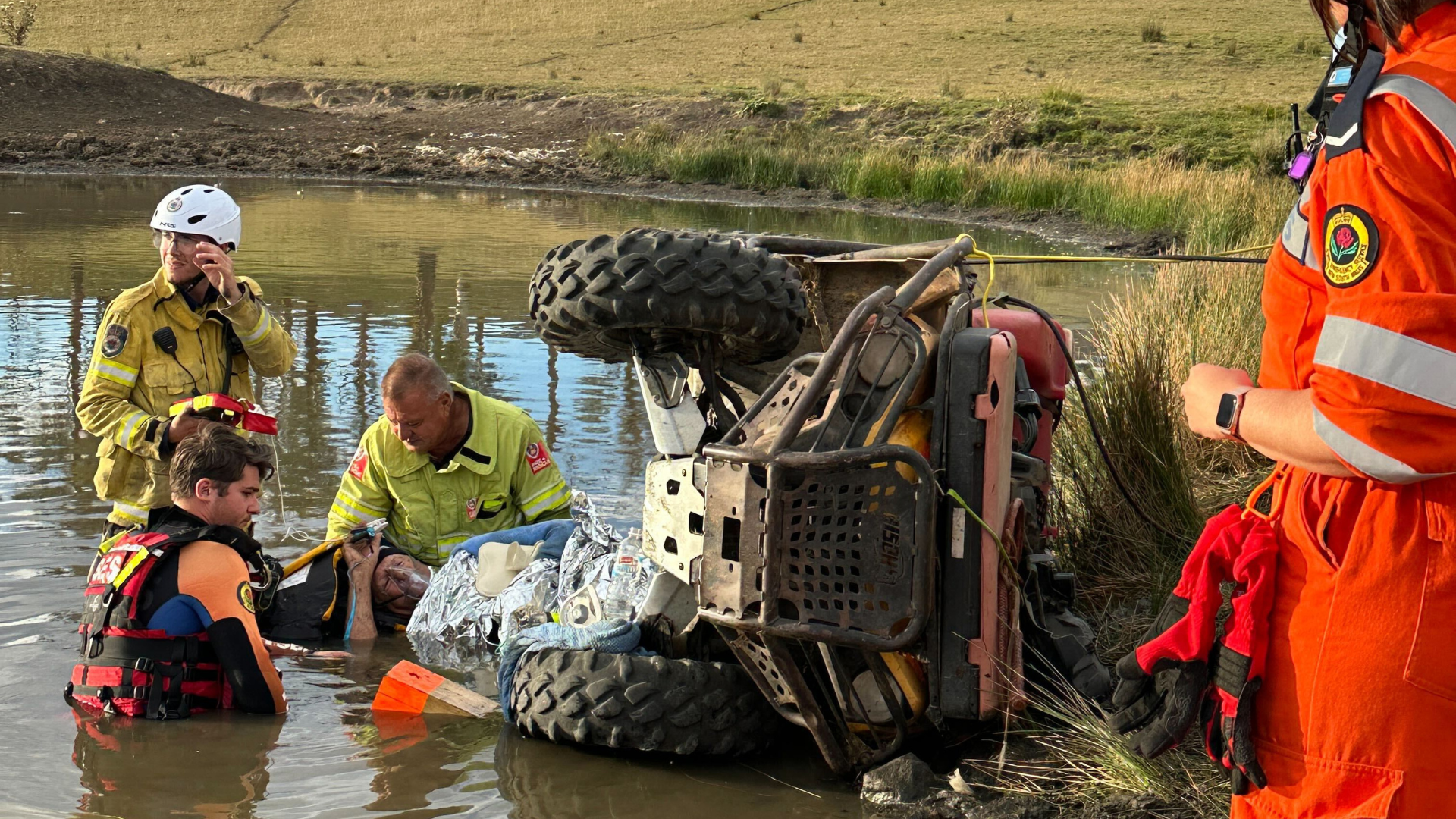
Daniel Kermode is thankful for the multi-agency effort that assisted with his rescue and recovery.
The accident itself unfolded in seconds. Mustering cattle along the edge of a dam, Mr Kermode made a split-second misjudgement, turning slightly as a cow shifted position. His foot landed in a hidden hole, the bike tipped, and the weight of water in the spray tank did the rest.
“I’ve ridden these things for 40 years … and just any other like a soccer ball, they’re very dangerous at times,” he said.
He said it was "total misjudgement on my behalf" and reflected on the broader pressures at play such as the difficult season, mounting costs, and the ongoing stress of proposed transmission lines.
"Yeah, it's all this added pressure. Probably there's your misjudgement in what I've done by turning that wheel and moving a foot across the ground where I shouldn't have been, it's a fatigue thing."
The frustration is palpable when he speaks about the proposed New England Renewable Energy Zone.
"I'm a fifth generation farmer, these bloody trees have been there since before my lot came there. And now they're going to have shove them out for kilometres. There's a $1.1 million fine for pushing one out. They're going to clear them all," he said.
"In four months, I've seen four koalas there. I reckon that means there's 400. Some buffoon in Sydney's just brought a line straight from Bay's water as best they can up there, and not really thought it out at all."
At the same time, the season have deteriorated rapidly.
"I have actually never seen the country turn like it like we've got paddocks running out of water, the country running out of feed."
That's why he was separating cows from their calves and preparing them for sale on that day.
It's remains unclear exactly how Mr Kermode's message made it to emergency services. While he initially emphasised the importance of dialling 112, it has since become clear that, like Triple 0, it still relies on mobile service.
In his case, newer technology such as satellite enabled emergency messaging likely played a role in relaying his location from his iPhone 14. These systems connect via satellite to a third party relay, which then contacts emergency services. Compatible devices and line of sight to the sky are needed.
The broader takeaway is that without mobile coverage, Wi Fi calling or a working landline, traditional emergency calls cannot be made. Access depends on either connectivity or compatible technology.
Proposed reforms, such as the Universal Outdoor Mobile Obligation (UOMO) introduced to Parliament last November, aim to improve this but for now, gaps remain that can have life or death consequences. That legislation is currently under inquiry by the Senate Environment and Communications Legislation Committee.
READ MORE: We shouldn't need miracles to save lives in the bush
For now rural Australians should be aware that their mobile phone does not magically use satellite to call or text 000 when you are out of mobile coverage and that you cannot SMS/text 000 using satellite messaging services in Australia.
For Mr Kermode, who returned home to Walcha on Wednesday afternoon, the experience feels extraordinary.
“It must not have been my day to go,” he said.
He can't thank the emergency services and his community enough for all their support.
In typical rural community fashion, the work went on while he was stuck in hospital. His worker, livestock agent and daughters Hannah and Amy, as well as a network of neighbours, stepped up to finish the job he had started and got the cattle off to market.
Mr Kermode was grateful to return home to Walcha on Wednesday, and it's likely his mates Dude, Ringer and Spud were pretty pleased to see him back where he belongs.
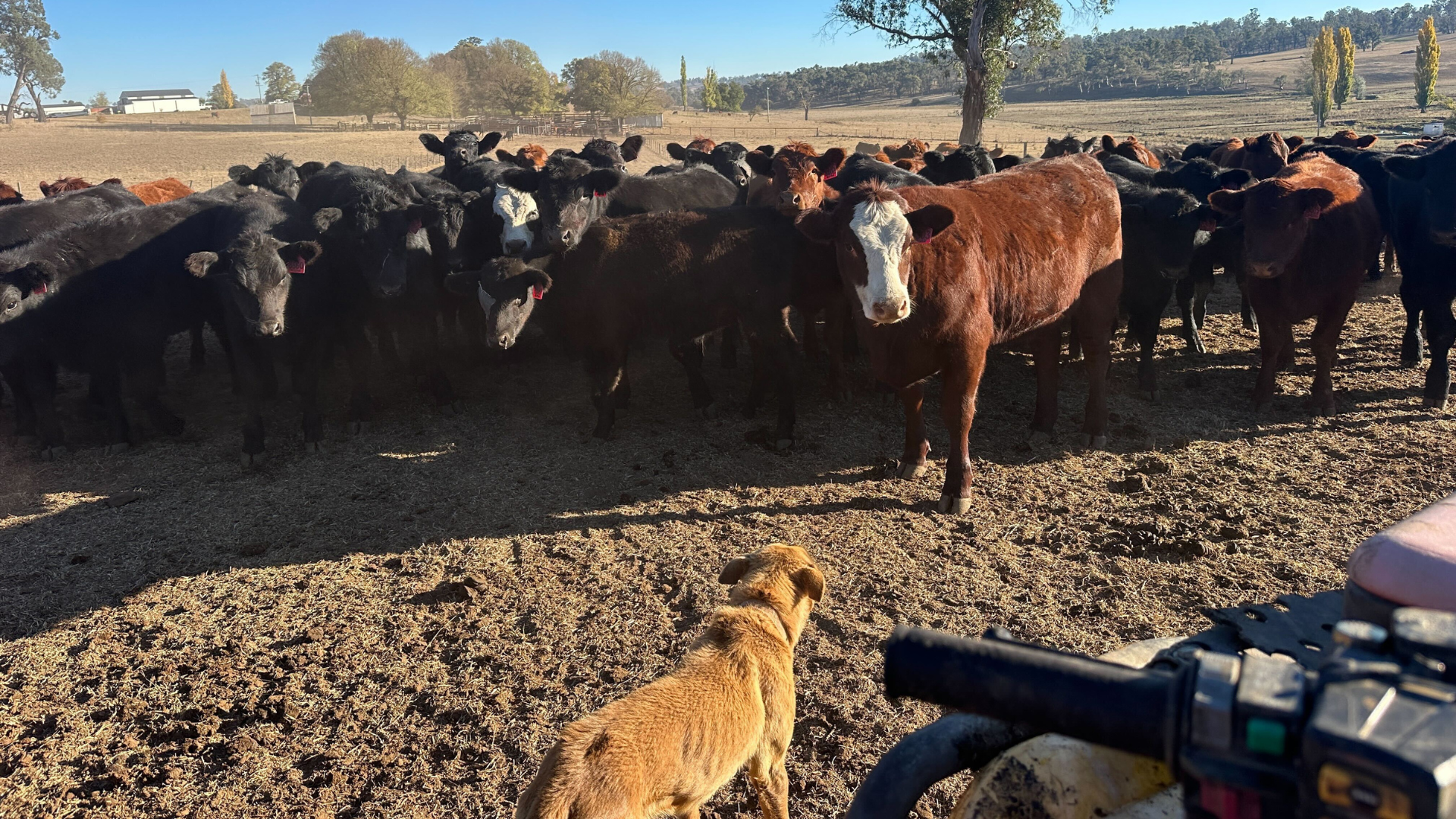
Daniel Kermode was back on the farm on Thursday, taking it easy, but back to work with his quad, and mate Ringer, pictured. There's plenty to do when conditions are this dry.

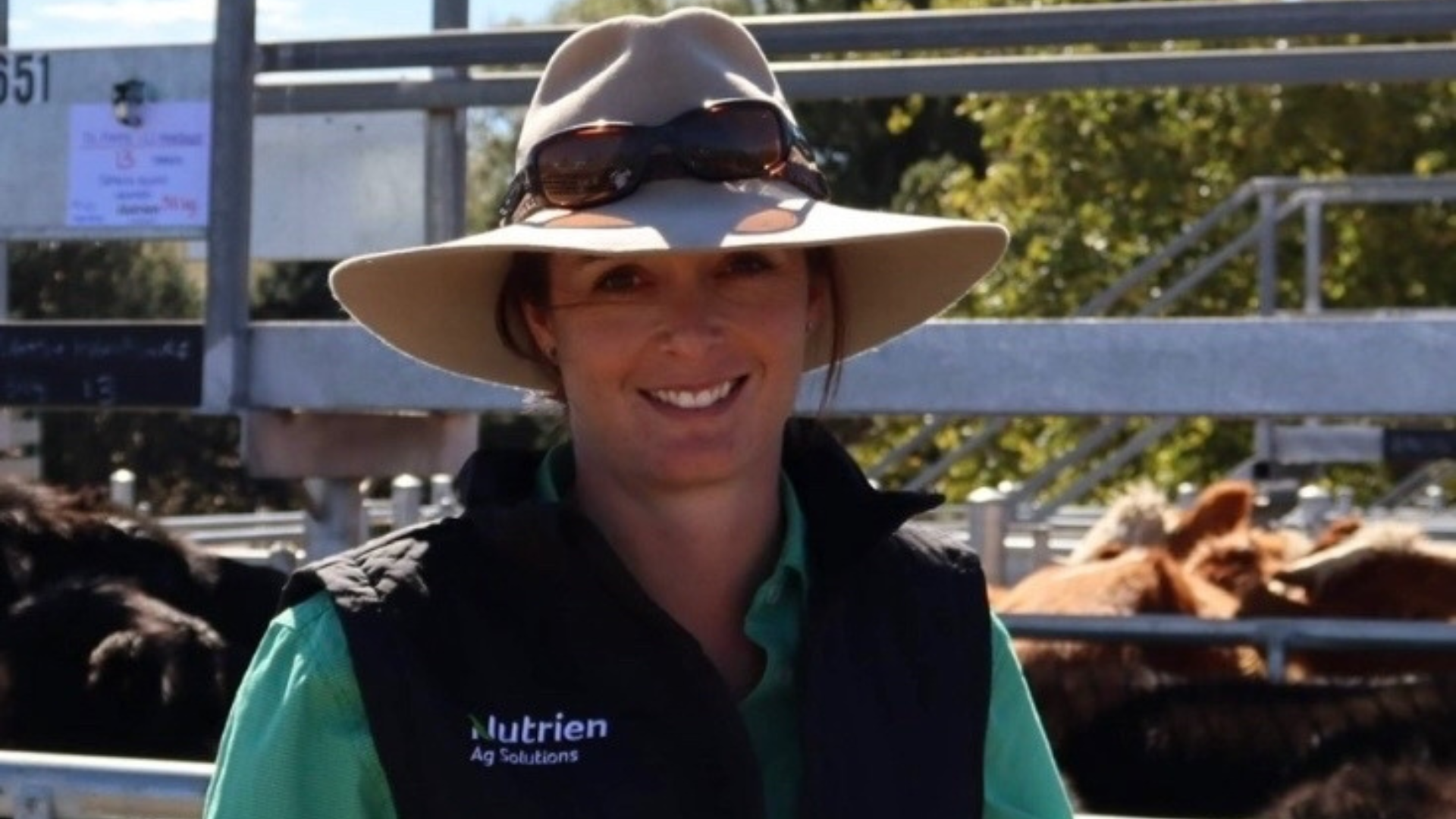 Natasha Lobban: Oct, 6, 2026
Sam Platts of Nutrien Ag Solutions Bombala has been named Industry Woman of the Year, powered by Zoetis, in the 2026 AuctionsPlus Awards. The win...
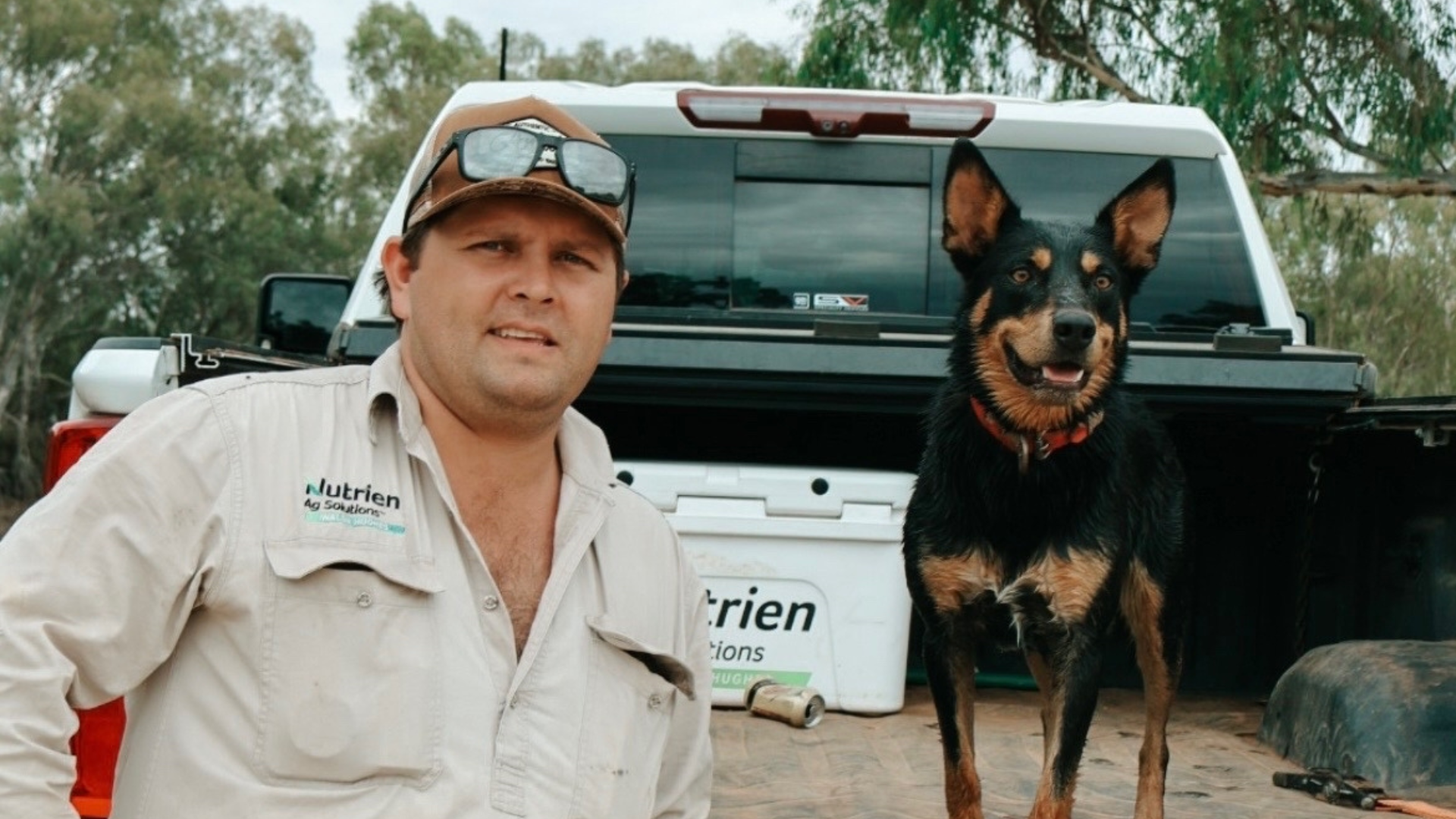 Natasha Lobban: Sep, 28, 2026
Charlie Bible of Nutrien Ag Solutions Bourke has won the AuctionsPlus Young Gun Award, powered by Zoetis. The win caps off his first year in the...
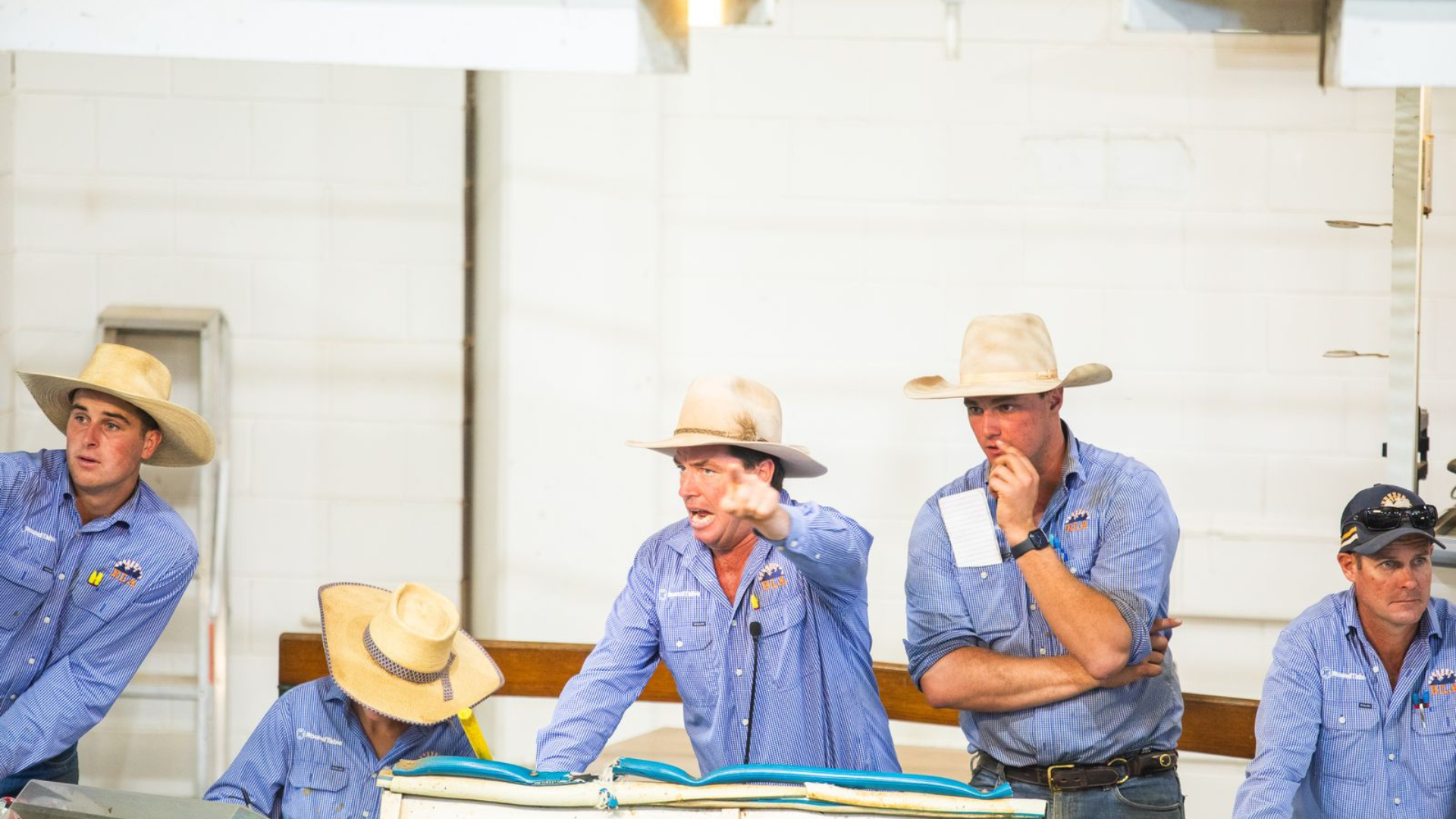 Natasha Lobban: Sep, 24, 2026
James Tierney, director of Riverina Livestock Agents in Wagga Wagga, NSW, has won the Gary Dick Award for FY26.