
 Natasha Lobban
Trump pushes for beef country-of-origin labelling in US
US President Donald Trump has signed executive orders aimed at helping cattle ranchers protect their herds from wolves, expand meat processing and...
When something goes wrong in the city, help is never far away. A quick call to 000, a steady voice on the line, and the reassurance that sirens are already cutting through traffic is a comfort many Australians take for granted.
Out here, it’s different. Last week’s incident involving Walcha farmer Daniel Kermode is a confronting reminder of just how different.
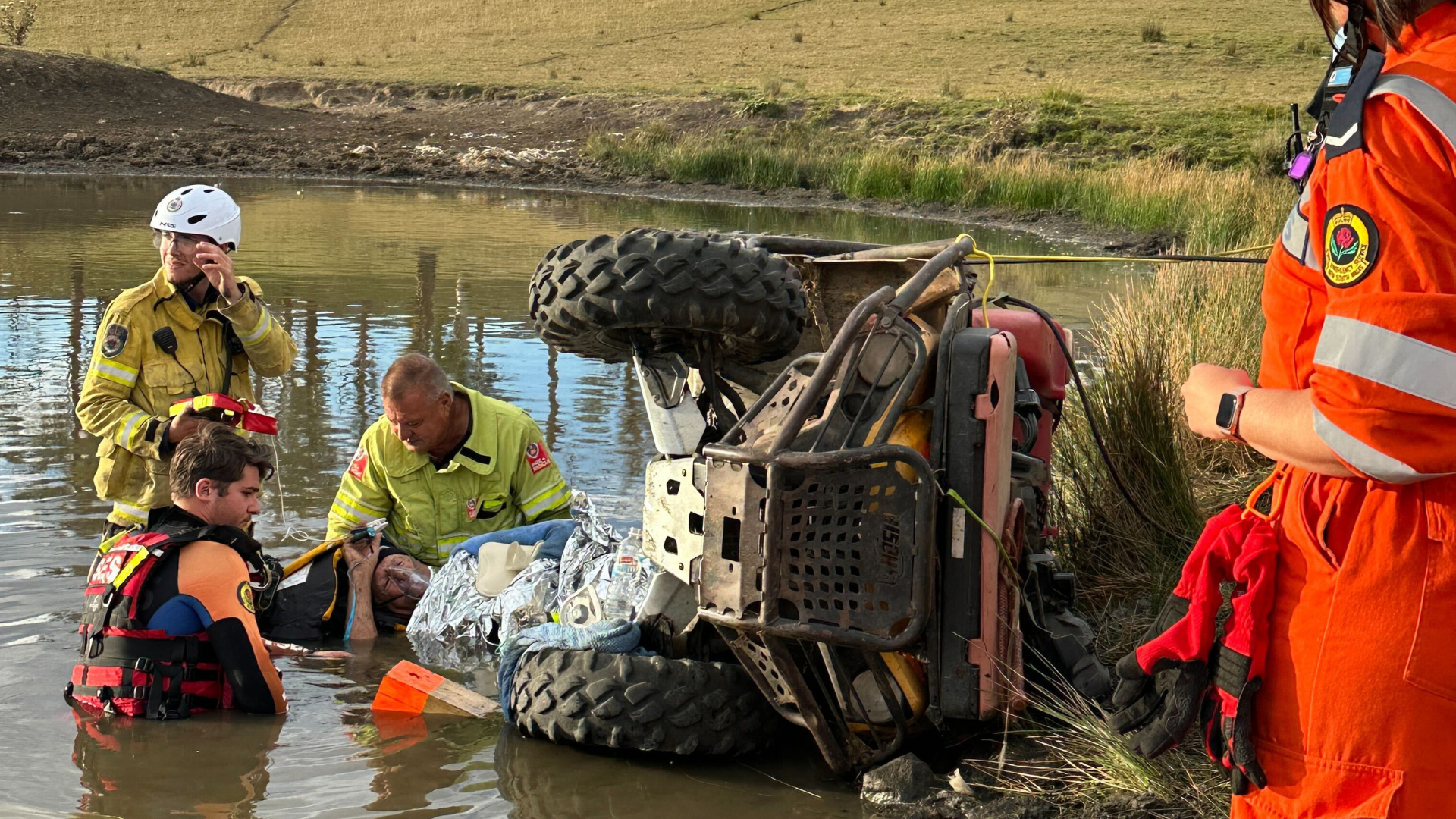
Pinned under a quad bike in a dam, holding his own head above water, he did what anyone would do, he reached for his waterlogged phone and tried to call for help.
But here’s the part most don’t realise: in Australia, dialling 000 or 112 doesn’t magically connect you if you’ve got no reception. It still requires some level of mobile service.
In Mr Kermode’s case, his phone, waterlogged and eventually thrown onto the bank in a desperate bid to get signal, somehow managed to get a message out. Whether it was a sliver of reception or newer satellite-enabled technology in his iPhone doing its job, we don’t really know.
When I spoke to him on Wednesday, he was gobsmacked by it all.
“It must not have been my day to go,” he said.
And that’s the uncomfortable truth.
Right now, in parts of rural Australia, access to emergency services can come down to luck, or something that feels a lot like it. Because if that call hadn’t gone through, there’s every chance this story would have ended very differently.
For more than an hour, he didn’t know if anyone was coming. As the sun dropped and the cold set in, he was left wondering if the call had worked at all.
That kind of uncertainty, in a life-or-death situation, is hard to comprehend and certainly isn't something we should accept as a normal ramification of living outside of cities.
I’ve had cause to call 000 before. If you’ve done it, you know the feeling when the operator says help is on the way. Even if it’s far off, there’s an immediate sense of relief that you’re no longer alone in it.
But I’ve also had to yell down the line as reception cuts in and out, not knowing if I was being heard, not knowing if the message has landed.
It’s panic. Pure and simple. To not know if help was coming must have been unimaginable torture for Mr Kermode.
And yet, it’s still the reality for too many people outside the major population centres, something many city Australians simply don’t realise.
When contacted for comment on this issue, not a single politician wanted a bar of it. It’s not hard to see why. There’s no easy way to explain a system that leaves rural Australians effectively operating with a lower standard of access to emergency services.
Because that’s what this is. We ask regional Australians to feed the country, power it, and increasingly host the infrastructure that keeps it running, but we can’t guarantee they’ll be able to make a reliable call for help when something goes wrong.
The proposed Universal Outdoor Mobile Obligation, currently before the Senate Environment and Communications Legislation Committee, is meant to address this by requiring mobile coverage outdoors across Australia.
The Kermode case shows exactly why that matters.
Emergency services mobilised to a set of GPS coordinates, navigating difficult terrain. Volunteers stood in freezing water to keep him alive. A helicopter arrived from Sydney when local services were unavailable, a local GP even drove out to assist.
The system works when it’s activated, but getting to that point shouldn’t depend on chance.
Mr Kermode is now home, and thankfully this story has a good ending.
Next time, someone might not be so lucky and that’s not a risk rural Australians should be asked to carry. Because a hope and a prayer is not a communications network and it’s not good enough.

US President Donald Trump has signed executive orders aimed at helping cattle ranchers protect their herds from wolves, expand meat processing and...
A cattle farming couple are making a call-out for information after the theft of more than 140 prized stock from their rural property.
 Natasha Lobban: Aug 13, 2026
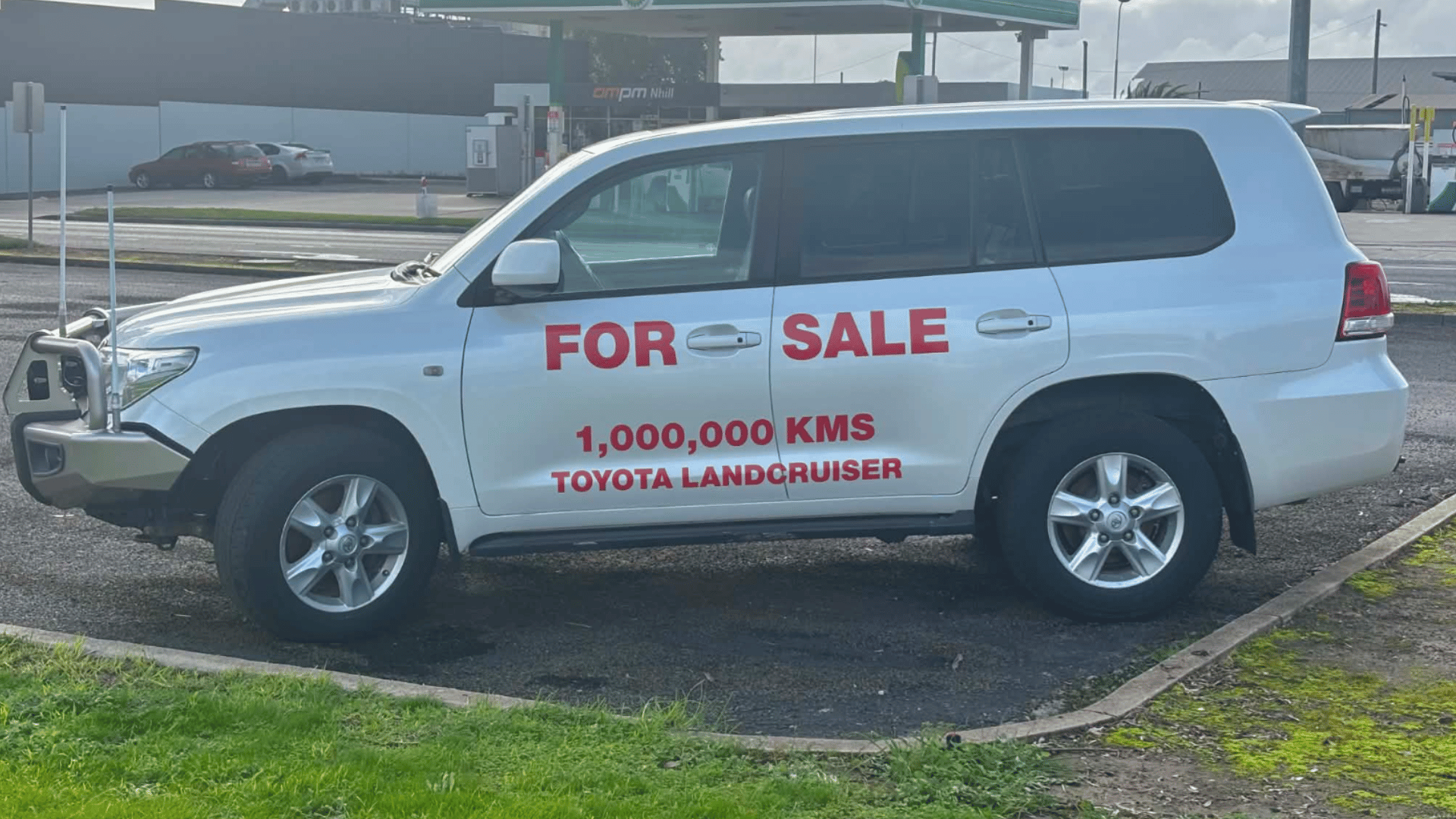
Gary Driscoll's LandCruiser is up for sale just short of the 1,000,000km mark, and he reckons he'd have got there a lot sooner if AuctionsPlus hadn't...