
2 min read

Industry welcomes extra export approvals for sheep and lamb to China

Industry welcomes extra export approvals for sheep and lamb to China

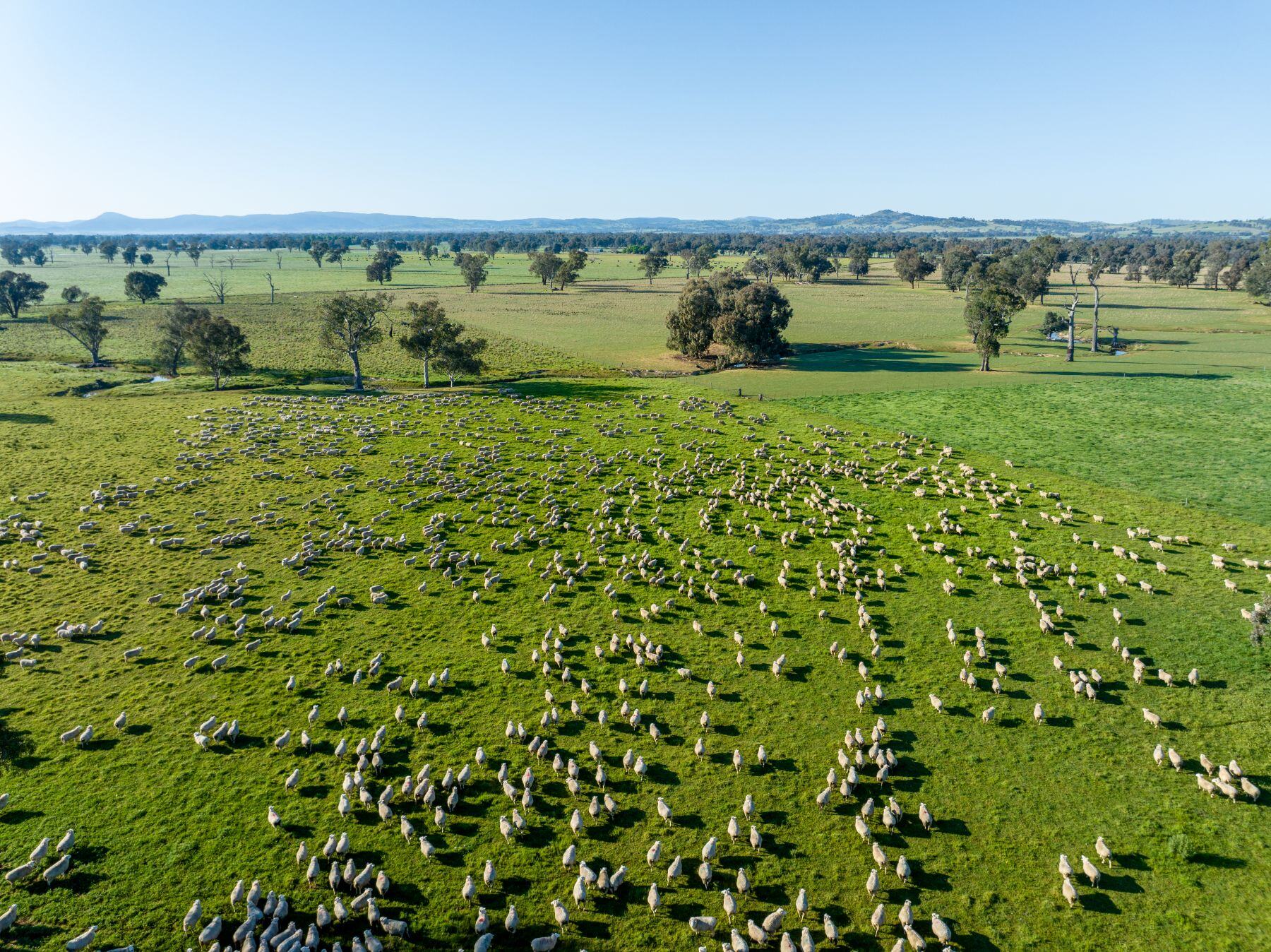
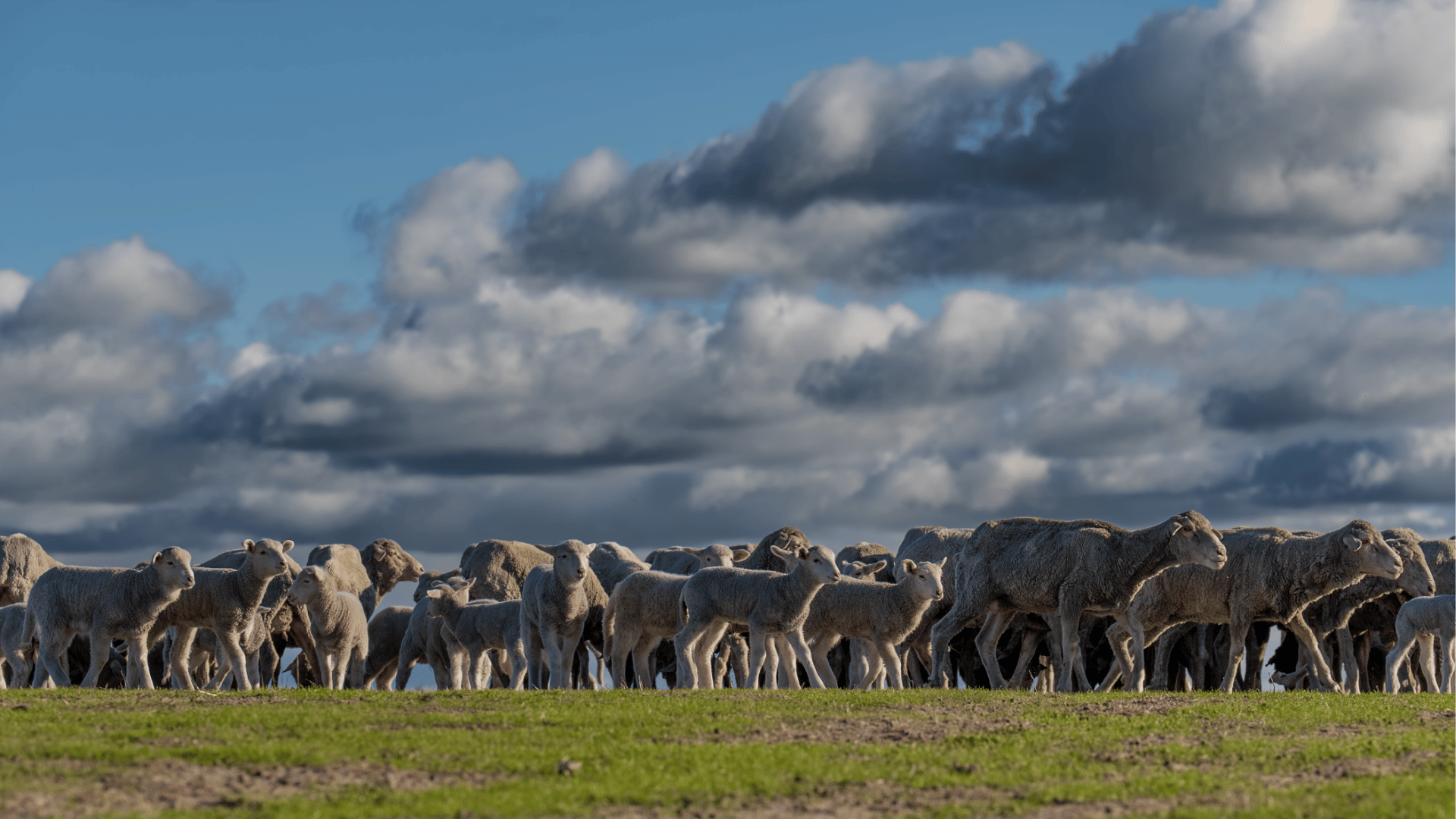
Seventeen Australian sheep, lamb and goat meat export processor establishments were granted new or expanded access to China this week and producers are eagerly waiting to see if this has a positive impact on domestic prices.

The Australian Meat Industry Council (AMIC) welcomed the approvals saying it was a significant win that will have benefits across the red meat supply chain.

The approvals were published by the General Administration of Customs China and include access for chilled and frozen sheep and goat meat, and includes new access for 10 establishments, and expanded access for new product categories for seven establishments.

AMIC CEO Tim Ryan said it was the result of years of sustained effort by government and industry and reflects the strength of the China-Australia bilateral relationship.

“AMIC has worked tirelessly to advocate for wider and improved access for Australian processors, via engagement with government as well as our industry partners in China,” he said.

“This is a great outcome not only for these companies which have received new approvals, but the clients they process for as well the thousands of farmers they support through the livestock they purchase.

"Industry and government have welcomed opportunities to demonstrate to China’s regulators that Australia has robust systems and quality assurance measures in place to reliably produce and export safe, quality meat and meat products to Chinese consumers.

“We welcome this important development and remain optimistic that dialogue and future approvals can continue to a point where all Australian meat processors operating under the Australian meat export system are able to access the Chinese market should they wish.”

Sheep Producers Australia also welcomed the announcement with Chief Executive Bonnie Skinner saying the Australian industry prides itself on its diversified global markets. 

"Increasing market access for Australian sheepmeat and lamb processing plants is great news for our entire sector - market diversity is the foundation of our industry's resilience," she said. 

“Australian sheepmeat has a diverse customer base, with access to more than 90 export markets across the world, and Australian produce is known for its high quality and consistency.

“This is a great indication of demand for Australian world-leading sheepmeat and lamb and it helps to underpin our industry’s sustainability.”

Ms Skinner said these new markets have been a work in progress. 

“SPA has long advocated for expanded global sheepmeat and lamb market access. We’d like to commend the hard work of the Australian Meat Industry Council (AMIC), Australian government regulators and the Department of Agriculture, Fisheries and Forestry to achieve this outcome.” 

The approvals aren't expected to impact domestic sheep and lamb markets immediately, but the announcement coincided with a strong market performance this week.

MLA Senior Market Information Analyst Erin Lukey, reported there were some interesting movements in the sheep market this week, with strong increases for mutton and the opposite for restocker lamb, which was the only indicator to fall in price.

"Sheep and lamb yardings lifted dramatically as saleyards played catch-up after the long weekends," Ms Lukey said.

"Sheep yardings doubled (reaching 117,851 head) and lamb yardings lifted 150% to 228,629 head. This resulted in a combined yarding of 346,480, the fourth largest this year."

The National Mutton Indicator lifted dramatically across all states, with national prices up 63¢ to 625¢/kg carcase weight (cwt).

"Elevated lamb prices, paired with strong export demand for product, will influence what is seen in saleyards," she said.

"Restocker lambs eased 4¢ to 806¢/kg cwt, a market movement that closely reflects confidence.

"With minimal relief across eastern and southern states, producers turn to a realistic view of their future carrying capacity."


Why the cattle herd is unlikely enter a rebuild in 2026

Why the cattle herd is unlikely enter a rebuild in 2026

Much has been discussed in industry circles and events in recent months, around the big question of whether the herd will rebuild in 2026.

Read More >
Hay and feed grain rally starting in the north

Hay and feed grain rally starting in the north

Last year it felt like we were writing about tariff impacts every week, this year it’s the Middle East conflict and subsequent rising cost of energy....

Read More >
Southern markets transition to seasonally tight supply

Southern markets transition to seasonally tight supply

Since mid-March, east coast cattle markets have been battered by the sustained forced turnoff from areas south of the Warrego highway in Queensland...

Read More >