
 Natasha Lobban
Trump pushes for beef country-of-origin labelling in US
US President Donald Trump has signed executive orders aimed at helping cattle ranchers protect their herds from wolves, expand meat processing and...
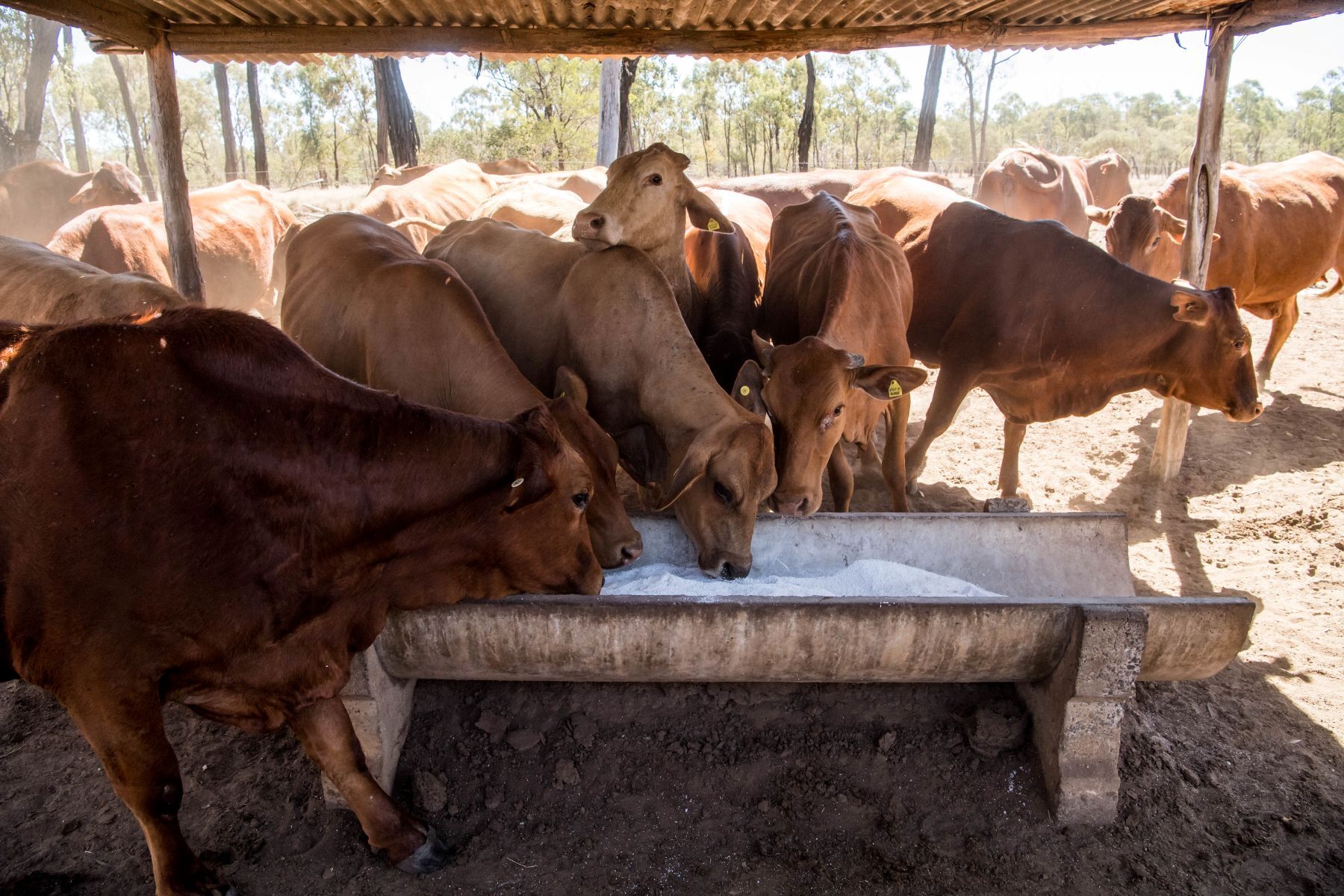
The outlook for Australian agriculture is cautiously optimistic according to Bendigo Bank, which released its Mid-Year Outlook this week.
Bendigo Bank Senior Manager Industry Affairs, Neil Burgess caught up with APlus News this week to discuss the outlook for livestock and grains markets for the next six months.
Mr Burgess likened the challenges of economic forecasting at present to the Global Financial Crisis in the noughties.
“You looked at how the dominoes were falling and the expected outcome, and we just didn't get the expected outcome. It was like the rule book was thrown out,” he recalled.
“It feels to me at this point in time, as though we're in that kind of same situation where the actions from the administration, we try to anticipate what those will be and what the fallout will be, but the rulebooks don't apply.
“It's almost like being on the roller coaster, just hang on for the riders.”
It is this global volatility, along with challenging seasonal conditions, that will have the greatest impact on markets in the coming six months, according to the the 2025 Australian Agriculture Mid-Year Outlook by Bendigo Bank Agribusiness.
"The largest impacts of the trade conflict and the sweeping US tariffs on Australian agriculture at this stage are generally expected to be through downstream effects, rather than directly from the 10% tariff imposed by the US on Australia,” Mr Burgess said.
“The recent apparent de-escalation in trade tensions between the US and China is easing concerns slightly, but any sustained agreement appears to be a long way off, which may improve the chances of a trade deal being struck between Australia and the EU, with the added potential for significant opportunities, particularly for both Australian beef and lamb exports.”
Mr Burgess also spoke about how different seasonal conditions were impacting farmers across the country – adding a layer of complexity to forecasts - and reminded readers that changes to weather would of course impact markets.
“When we're actually looking at it to try and build it into what our forecast will be, you try and take the middle of the road and unfortunately, there's going to be times when rainfall is later, rainfall is earlier and that does have an impact, obviously, on your forecast. But it is a forecast and it is subject to change.”
So what does the forecast look like?
A lift in beef production, strong export demand and an increase in prices gives a positive outlook for the cattle industry.
A key factor moving forward will be the producers’ decision as to whether to retain stock – cattle and sheep - as more pasture becomes available.
Sheep and lamb should remain firm over the next six months, but production will ease following dry conditions and destocking over the past two years. He also noted recent record prices for lamb, pointing to a tightening of supply.
Western Australia’s cattle industry is forecast to follow similar trends to the eastern states, with the high export demand keeping prices strong in the back half of the year.
Rainfall in the West early in 2025 has translated into producers keeping more stock on hand and production seeing a softer start to the year. This is expected to continue as producers utilise pasture availability rather than sell.
Lamb prices are also expected to remain relatively firm in Western Australia through the second half of the year, benefitting from tighter lamb and mutton supply following a prolonged period of high turn-off. Further upside in prices will be limited by processor appetite and their ability to pass on increased costs to consumers.
Early cropping forecasts have winter production down 9% from last season to 54.5 million tonnes, but a late break across southern Australia has lifted confidence and added upside potential.
Export demand has been very strong for canola, barley and chickpeas, with ending stocks predicted to be at multi-year lows.
For wool a reduction in supply should provide enough support to keep prices around their current level.
The second half of 2025 is forecast to have lower supply of wool as many producers continue destocking or taking advantage of higher lamb prices.
Demand has remained flat for the current season, however, there is some hope it may pick up as the economy in key market China improves.
Prices and demand will be pressured downward by a strengthening Australian dollar.

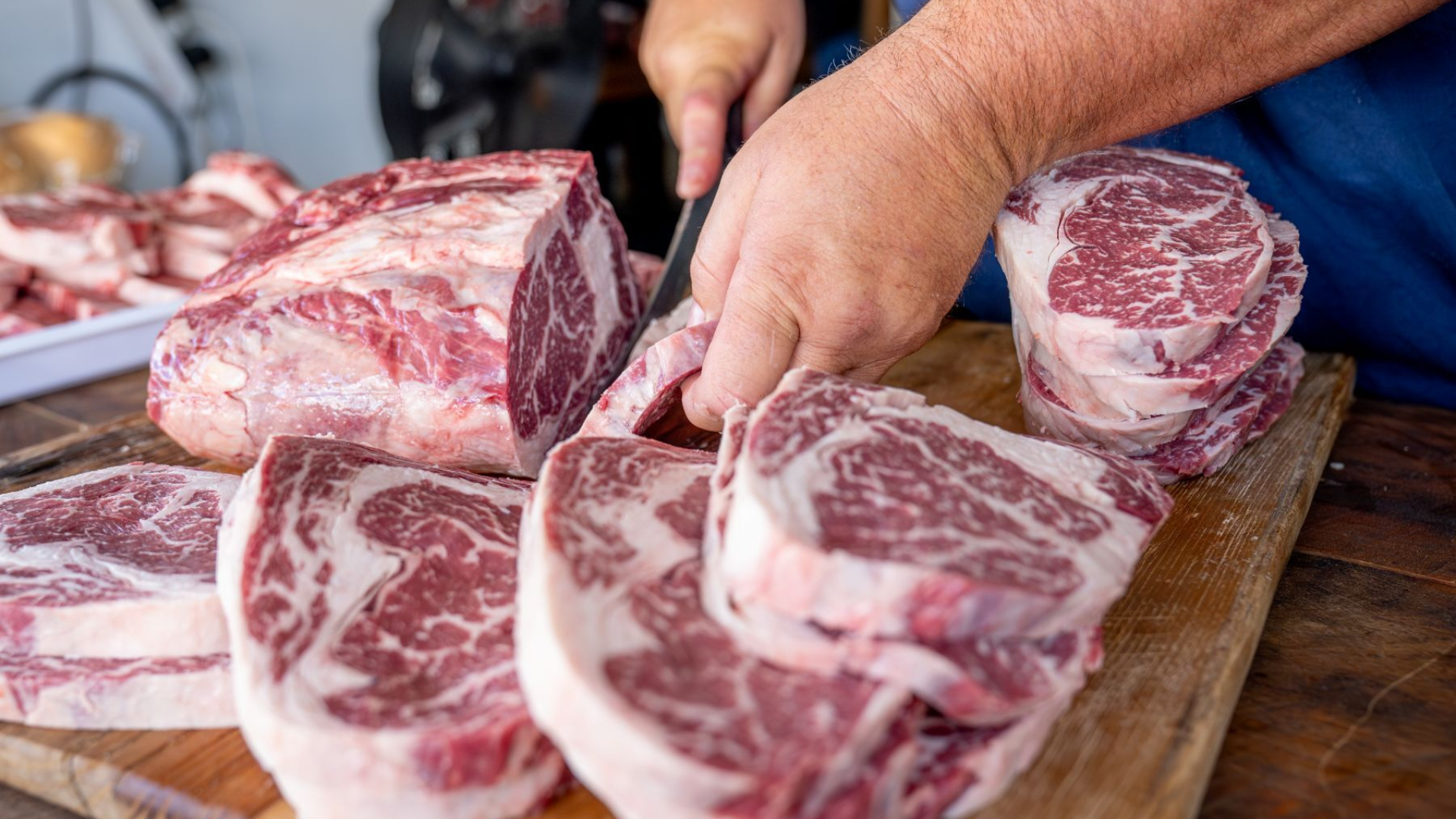
US President Donald Trump has signed executive orders aimed at helping cattle ranchers protect their herds from wolves, expand meat processing and...
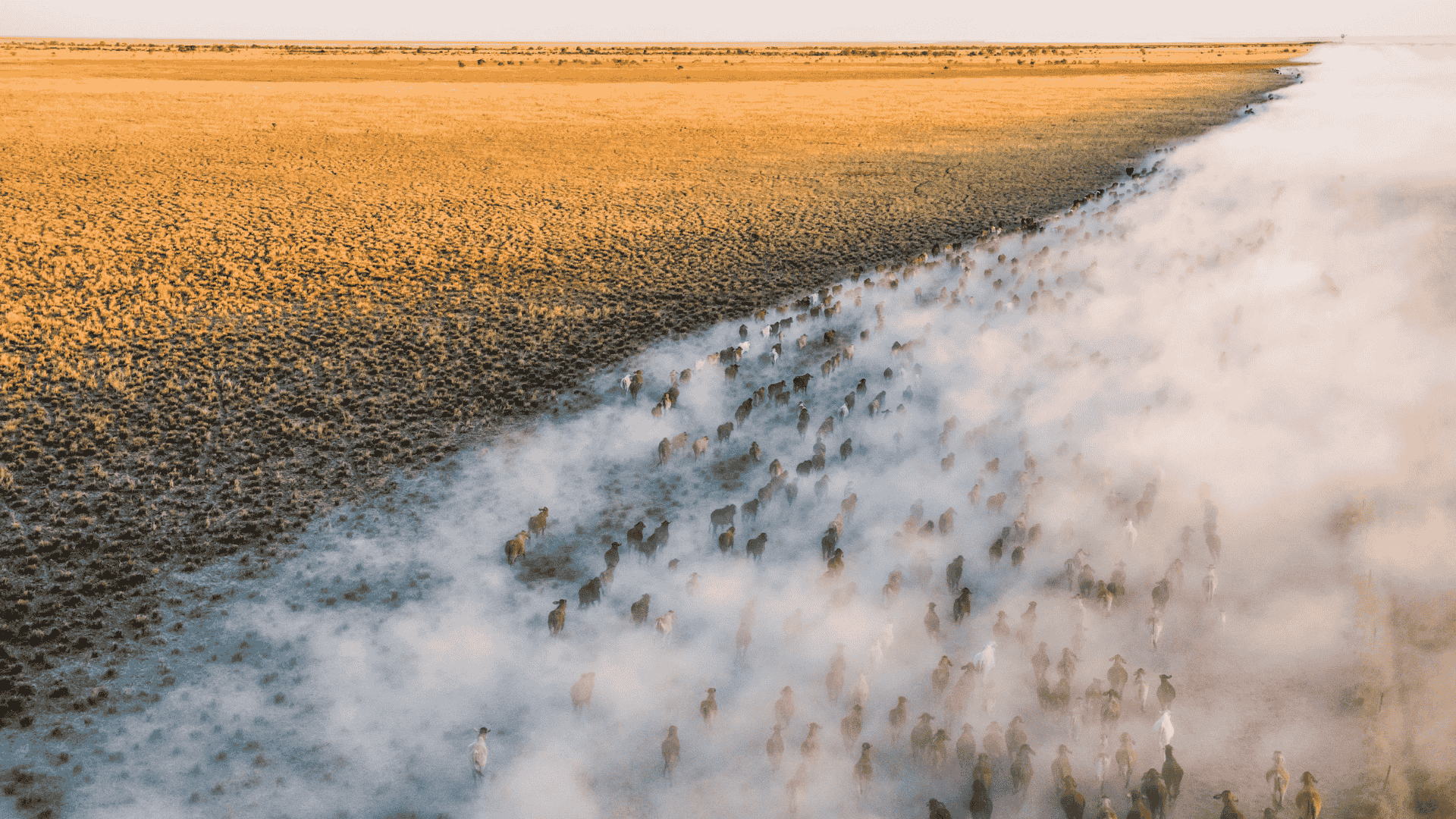
A cattle farming couple are making a call-out for information after the theft of more than 140 prized stock from their rural property.

 Natasha Lobban: Aug 13, 2026
Gary Driscoll's LandCruiser is up for sale just short of the 1,000,000km mark, and he reckons he'd have got there a lot sooner if AuctionsPlus hadn't...