1 min read

'Burp tax' scrapped: Farmer pressure ends NZ plan to price cattle emissions

'Burp tax' scrapped: Farmer pressure ends NZ plan to price cattle emissions

New Zealand has ended a plan to put a price on agricultural emissions including methane produced by burping sheep and cattle, relenting to farmer pressure that it would make their business unprofitable.

The conservative government would establish a Pastoral Sector Group with representatives from the agricultural sector to find other ways to reduce biogenic methane, it said in a statement on Tuesday.

Terms of reference for the group need to be developed and agreed upon.

The previous government had introduced a plan to charge farmers for their gas emissions from the end of 2025, in what was hailed as a world first.

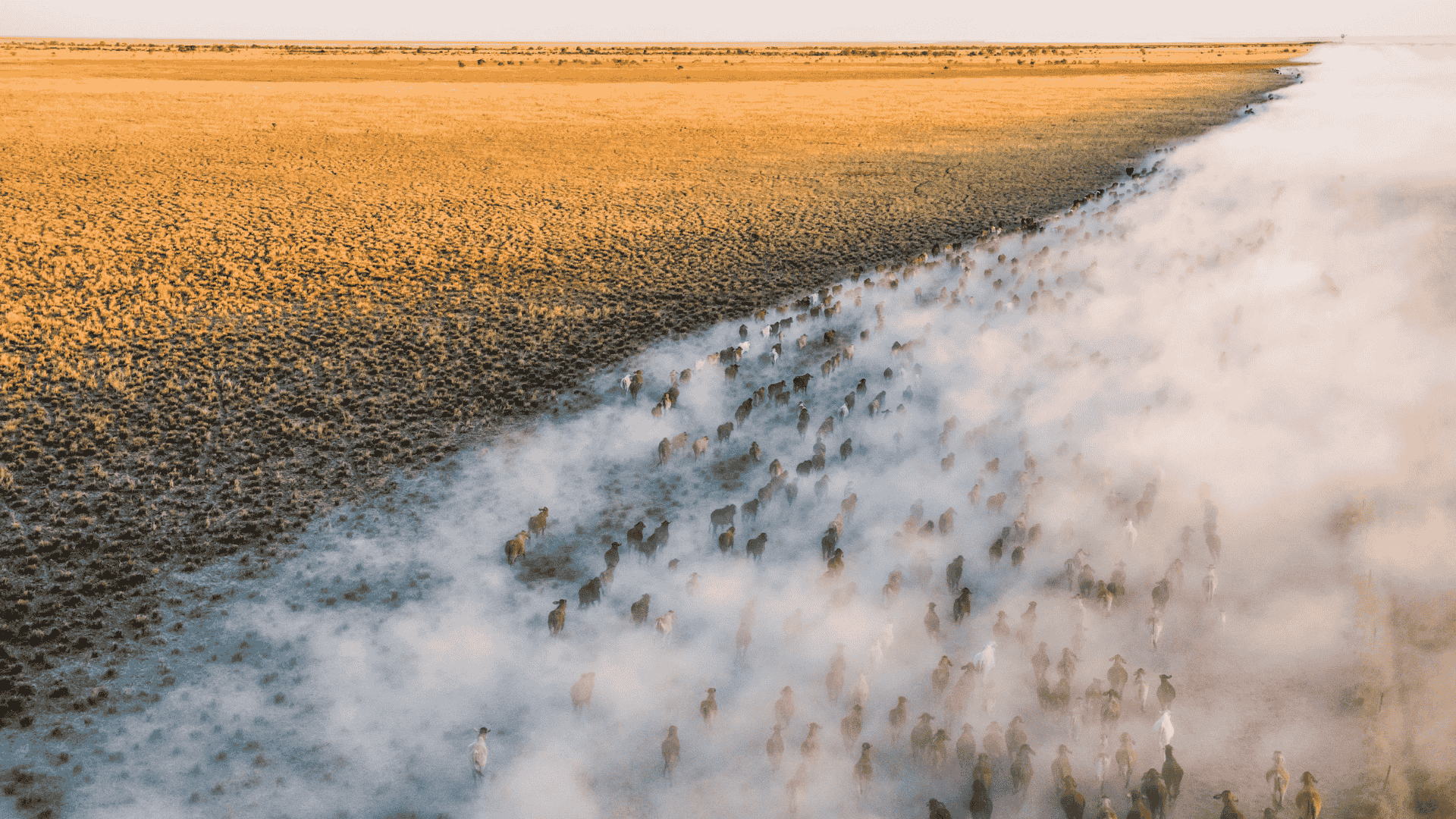
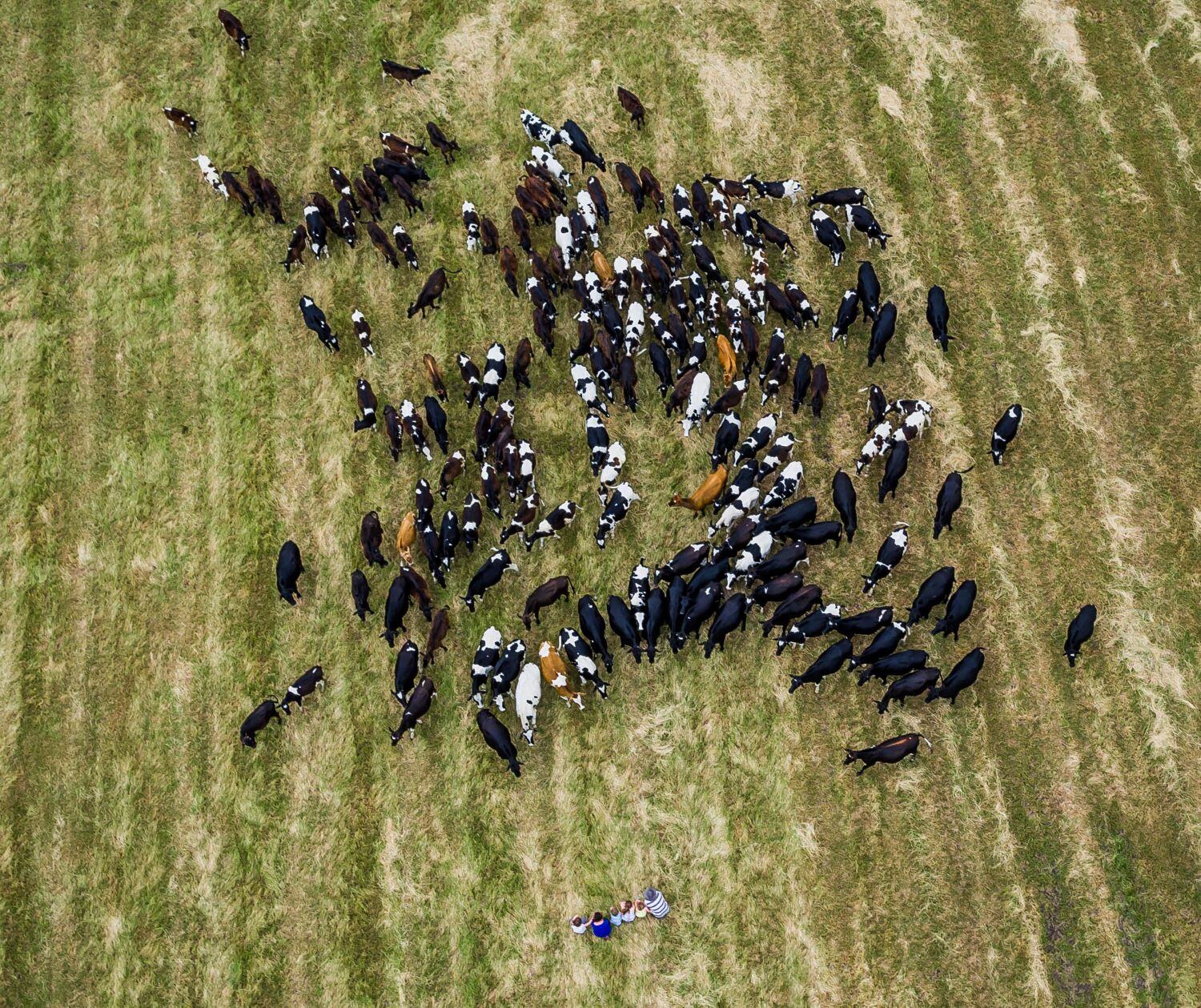
Home to five million people, New Zealand has about 10 million cattle and 26 million sheep. Nearly half its total greenhouse gas emissions come from agriculture, mainly methane.

New Zealand had been planning on including agriculture in the emissions trading scheme as part of its commitment to stop global warming.

However, the plan was unpopular in many parts of the rural sector and the current government promised to end it if elected.

"It's time for a fresh start on how we engage with farmers and processors to work on biogenic methane," said Agriculture Minister Todd McClay, adding the government was committed to meeting its climate change obligations.

The government has committed $NZ400 million ($A370 million) over the next four years to accelerate the commercialisation of tools and technology to reduce on-farm emissions and will increase funding for the New Zealand Agricultural Greenhouse Gas Research Centre by $NZ50.5 million ($A47 million) over the next five years, it said.

Ag leaders talk fuel, fertiliser and confidence

Ag leaders talk fuel, fertiliser and confidence

Australian ag leaders stood shoulder to shoulder on the banks of the Murray River near Albury recently to warn about the dangers of further water...

Read More >
We shouldn’t need miracles to save lives in the bush

We shouldn’t need miracles to save lives in the bush

When something goes wrong in the city, help is never far away. A quick call to 000, a steady voice on the line, and the reassurance that sirens are...

Read More >