
.png)
Trump pushes for beef country-of-origin labelling in US
US President Donald Trump has signed executive orders aimed at helping cattle ranchers protect their herds from wolves, expand meat processing and...
There are warnings prices of perishable food could spike by as much as 50 per cent as service stations impose fuel restrictions amid a wave of panic buying.
Fuel is running low in regional parts of Australia as farmers warn shoppers could be in for a rude shock at the check out.
Service stations in the regional Western Australian towns of Kulin and Corrigin have placed temporary restrictions on fuel due to uncertain deliveries and panic buying.
Shipping has been disrupted through the Strait of Hormuz, one of the world's most important oil corridors, by the escalating war in the Middle East.
Fuel shortages and price hikes are creating headaches for farmers on the cusp of harvesting summer crops and planting for winter, National Farmers' Federation president Hamish McIntyre said.
"The conflict in the Middle East reiterates how Australian farmers are at the mercy of geopolitical tensions because of their heavy reliance on imported inputs and export markets," he said.
"Livestock exports have been disrupted and we expect farmers will soon face higher fuel and fertiliser prices.
"Without fuel and fertiliser, farmers simply can't get food and fibre to consumers."
If constraints on fuel and fertiliser continue, Mr McIntyre warned costs on perishable goods such as dairy, fruit and vegetables could rise by 40 to 50 per cent.
"It's a double effect - it's cost of delivery, plus cost to farmers that will add up to a greater cost for consumers in our supermarkets."
Energy Minister Chris Bowen, Agriculture Minister Julie Collins and Industry Minister Tim Ayres were scheduled to meet on Tuesday with officials from the National Farmers Federation, oil companies and the trucking industry.
Australia had 32 days worth of diesel as of Tuesday morning, Mr Bowen confirmed.
He acknowledged there had been a "massive spike" in demand, particularly in regional areas, but insisted domestic fuel stocks were as high when the crisis began.
"We have enough diesel in Australia for our needs for the foreseeable future, and there is absolutely no need for panic," Mr Bowen told reporters.
Refineries were meeting their contracted obligations but not able to facilitate extra orders because of demand-side pressure, he said.
G7 finance ministers and the International Energy Agency left a meeting on Monday without agreeing to release strategic crude reserves.
Mr Bowen said the Albanese government wouldn't hesitate to use the minimum stock obligation if the Middle East conflict threatened domestic fuel security.
Opposition energy spokesman Dan Tehan said the Australian economy relied on diesel and accused Mr Bowen of "sitting on his hands".
"If he's right ... then what is he doing to make sure it's distributed evenly across the country so that we don't have certain areas and certain industries and key industries that are missing out," he said.
Average prices of unleaded petrol have soared past $2 a litre in every capital city except Perth, with the consumer watchdog warning retailers against giving false or misleading reasons for price increases.
Australian Association of Convenience Stores chief executive Theo Foukkare called for motorists to stay calm at the pump.
"All deliveries into the country over the last few days have arrived as scheduled," he said.

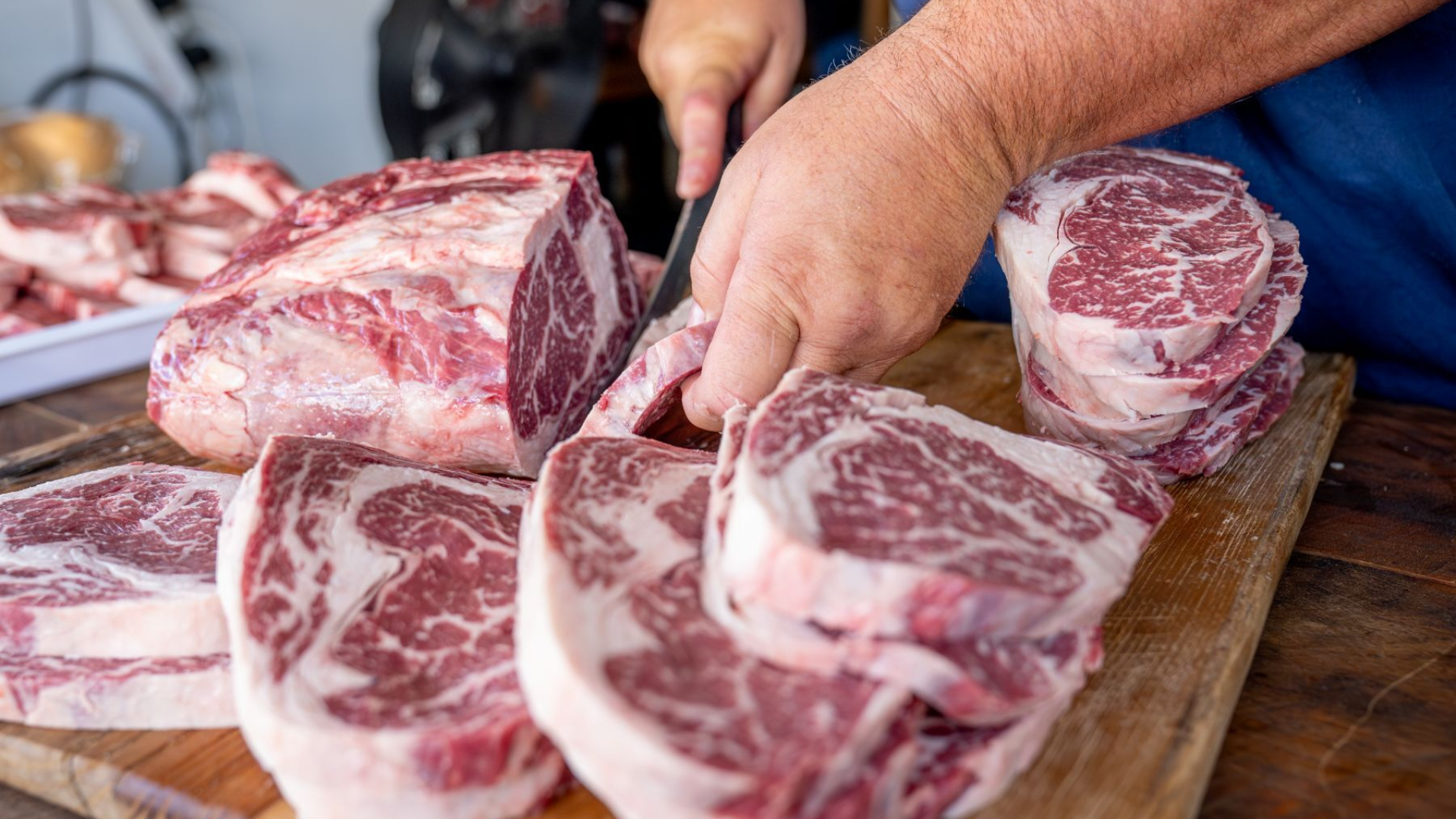
US President Donald Trump has signed executive orders aimed at helping cattle ranchers protect their herds from wolves, expand meat processing and...
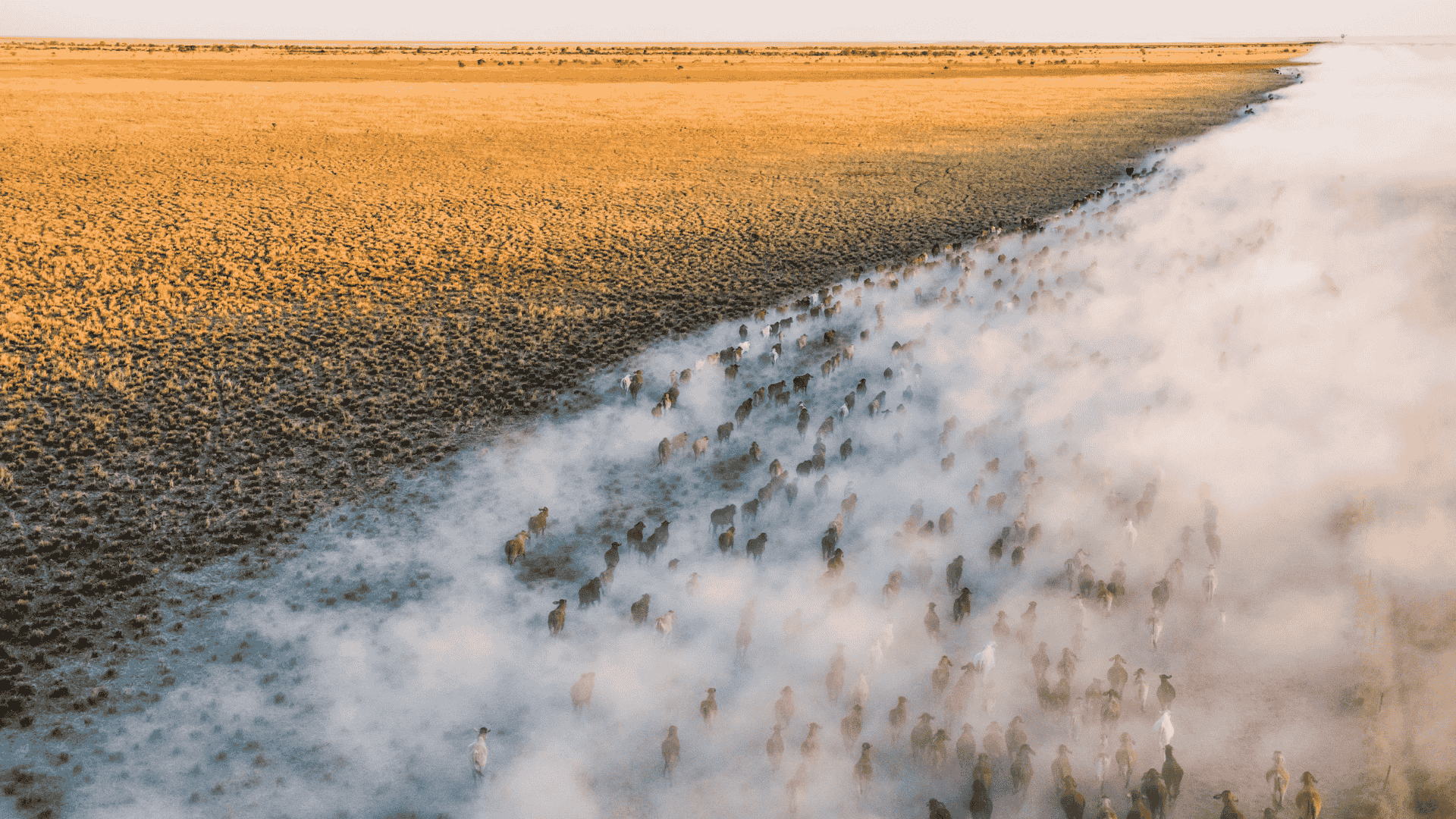
A cattle farming couple are making a call-out for information after the theft of more than 140 prized stock from their rural property.

 Natasha Lobban: Aug 13, 2026
Gary Driscoll's LandCruiser is up for sale just short of the 1,000,000km mark, and he reckons he'd have got there a lot sooner if AuctionsPlus hadn't...