
.png)
Trump pushes for beef country-of-origin labelling in US
US President Donald Trump has signed executive orders aimed at helping cattle ranchers protect their herds from wolves, expand meat processing and...
An uncertain global trade environment and the possibility of an El Nino will keep the local agricultural sector alert despite an otherwise promising outlook.
Australian farmers should prepare for "geopolitical surprises" in 2026 as erratic trade policies enacted by the Trump Administration continue to shape markets.
Agribusiness bank Rabobank has flagged geopolitics and shipping as the top risk factors facing producers this year.
"With United States President Donald Trump not slowing down in the second year of his second term, further geopolitical surprises are likely this year," RaboResearch General Manager Stefan Vogel said.
"Commodity markets – from energy to fertilisers to agri goods – may feel the effects," he said.
Early in 2025, the US placed tariffs on Australian beef that were later abolished, creating uncertainty for producers despite doing little to dent exports into America.
US demand for Australian beef actually increased in 2025 despite the 10% border levy, though Mr Vogel warned that with most American tariffs on the protein now ditched, Australia can expect more competition from South America in the US market.
"Meanwhile, China's newly-introduced beef import quotas present additional challenges for both Australian and Brazilian beef importers," he said.
Australian meat producers can expect prices to perform relatively well in 2026 overall, as well as wool and dairy prices.
The outlook for grains, oilseeds, pulses, cotton and sugar are projected to stay more subdued over the next 12 months, with an abundance of global grain supplies.
Overall, Mr Vogel said the agricultural sector was "well-positioned" to weather any challenges.
For Australian households, food price growth should be "less of an issue" in 2026 than the year prior, the bank's agribusiness outlook determined, though some items will still more expensive than hoped.
With overall inflation figures coming in hotter-than-expected for the December quarter and the unemployment rate heading lower, interest rate hikes are predicted by a number of economists.
The outlook supports a stronger Australian dollar than in 2025, boosting import purchasing power for domestic agricultural businesses but softening export returns in local currency.
The agricultural sector is also at the mercy of climate and weather shifts, with an El Nino - linked to drier conditions - a possibility in the second half of the year.
The Bureau of Meteorology's long-range forecast points to warmer-than-typical temperatures and near-to-below-normal rainfall through to May, for most of the continent, bar the north.
"The prospects for agriculture will depend heavily on how weather conditions evolve," Mr Vogel said.

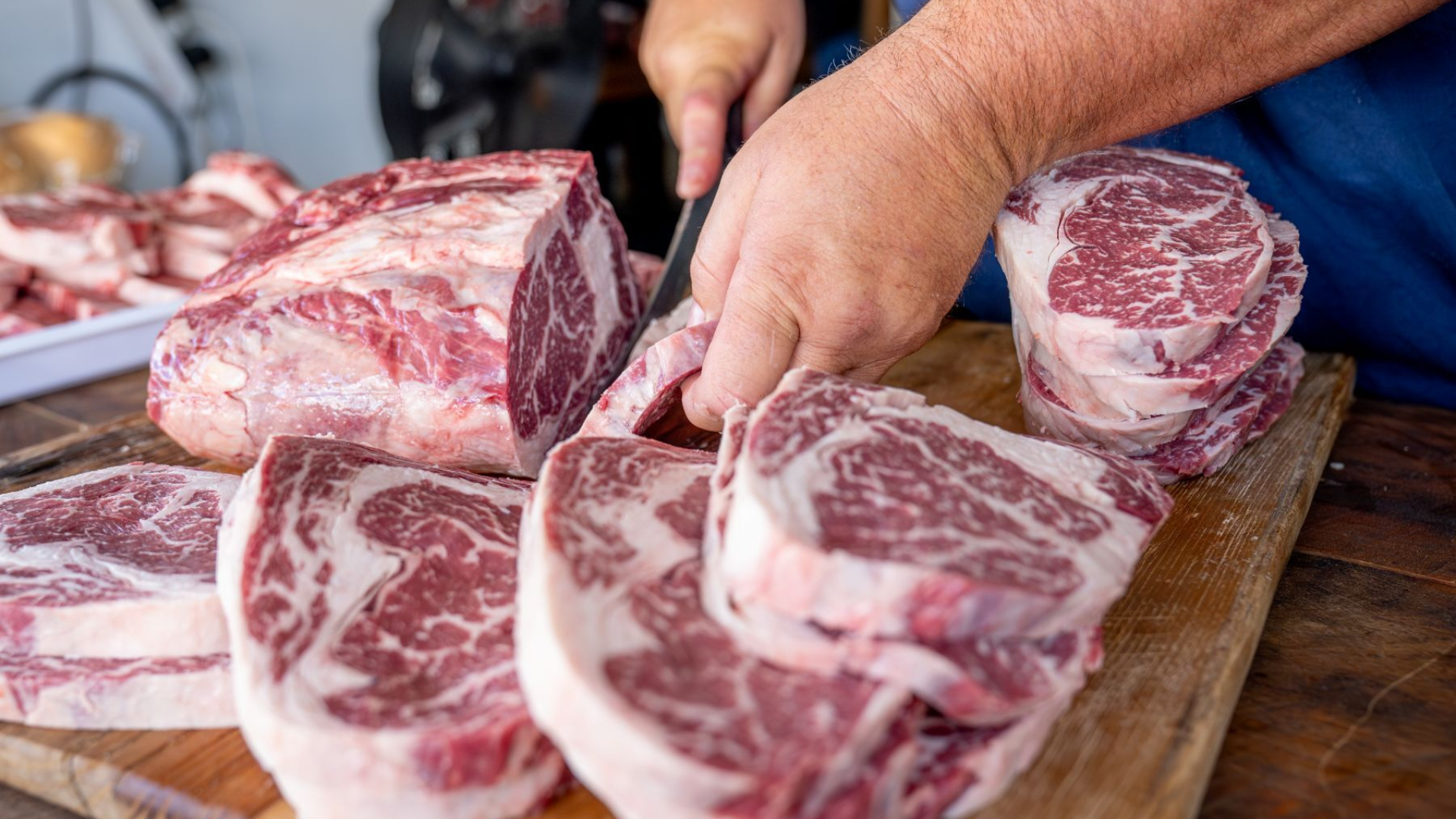
US President Donald Trump has signed executive orders aimed at helping cattle ranchers protect their herds from wolves, expand meat processing and...
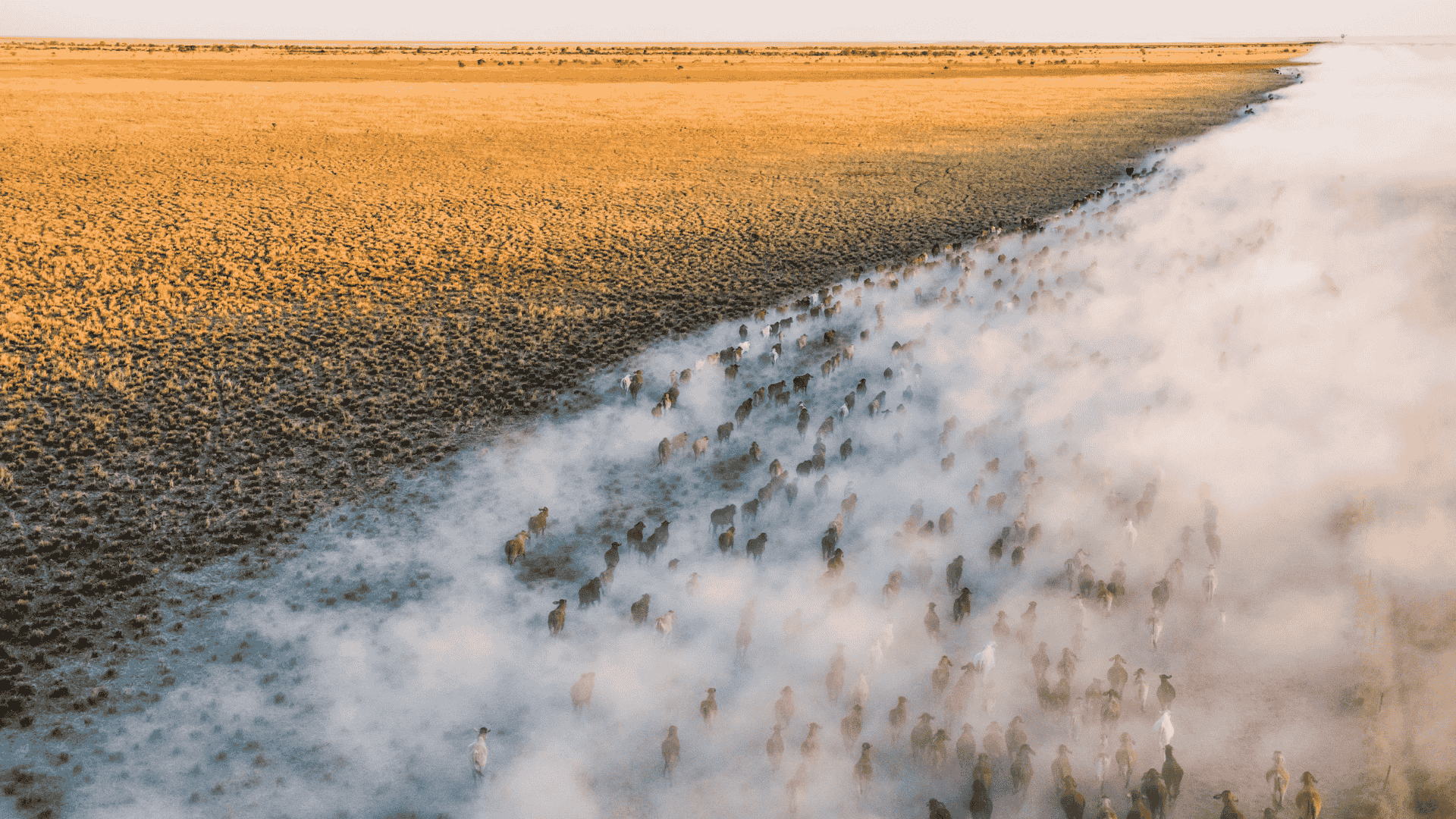
A cattle farming couple are making a call-out for information after the theft of more than 140 prized stock from their rural property.

 Natasha Lobban: Aug 13, 2026
Gary Driscoll's LandCruiser is up for sale just short of the 1,000,000km mark, and he reckons he'd have got there a lot sooner if AuctionsPlus hadn't...