1 min read

Tariffs on Australia due to ban on beef, pork: US envoy

Tariffs on Australia due to ban on beef, pork: US envoy

US Trade Representative Jamieson Greer has been questioned by a US senator over why Australia faces a 10% tariff.

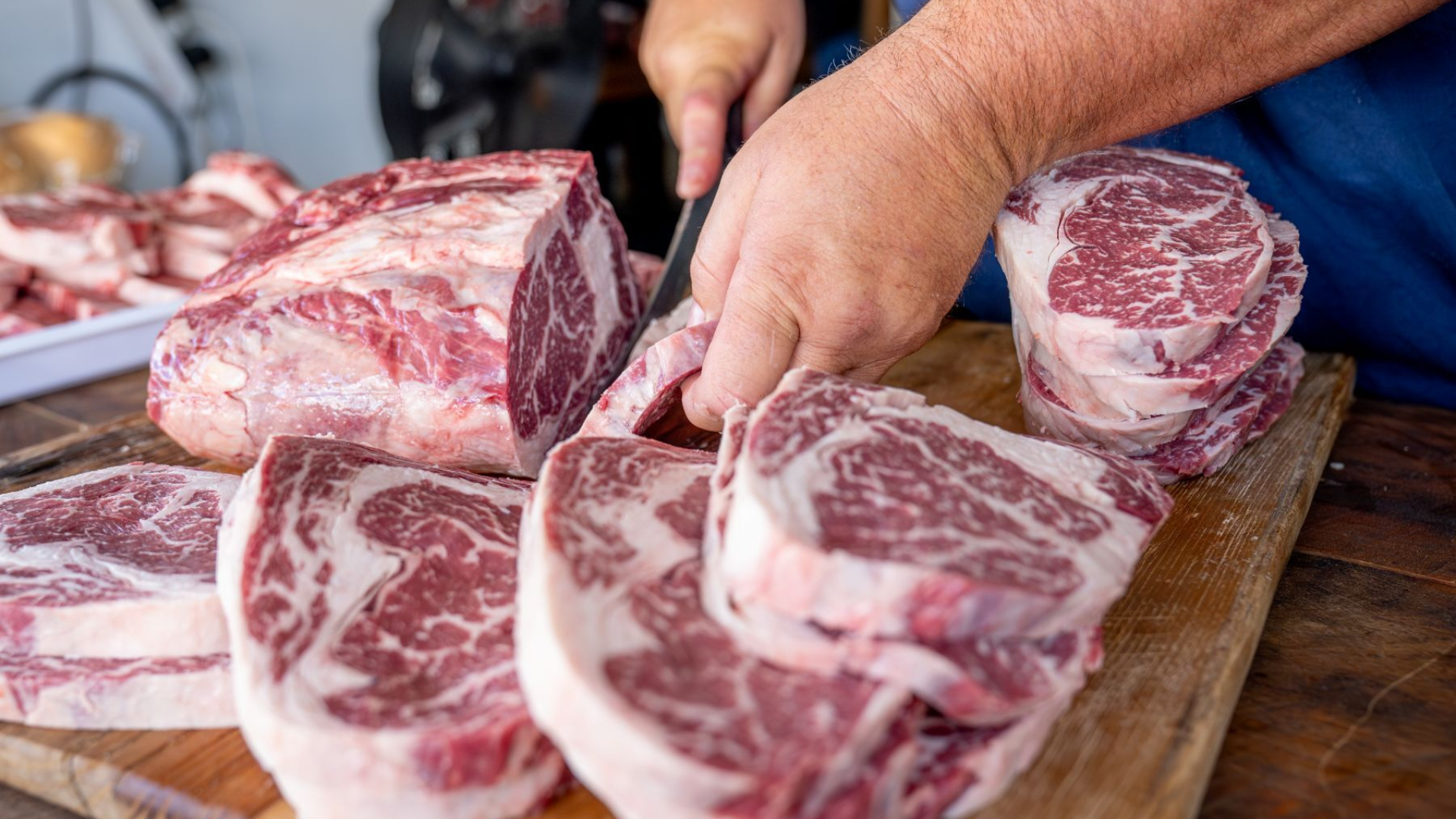
US Trade Representative Jamieson Greer has defended a decision by President Donald Trump's administration to apply a 10 per cent tariff on Australia despite a free trade agreement, citing the country's ban on imports of US beef and pork.

"We should be running up the score in Australia," Greer told a Senate Finance Committee hearing in reply to a question from Democratic Senator Mark Warner of Virginia.

"Despite the agreement, they ban our beef, they ban our pork."

WATCH THE FIREY 2-MIN EXCHANGE

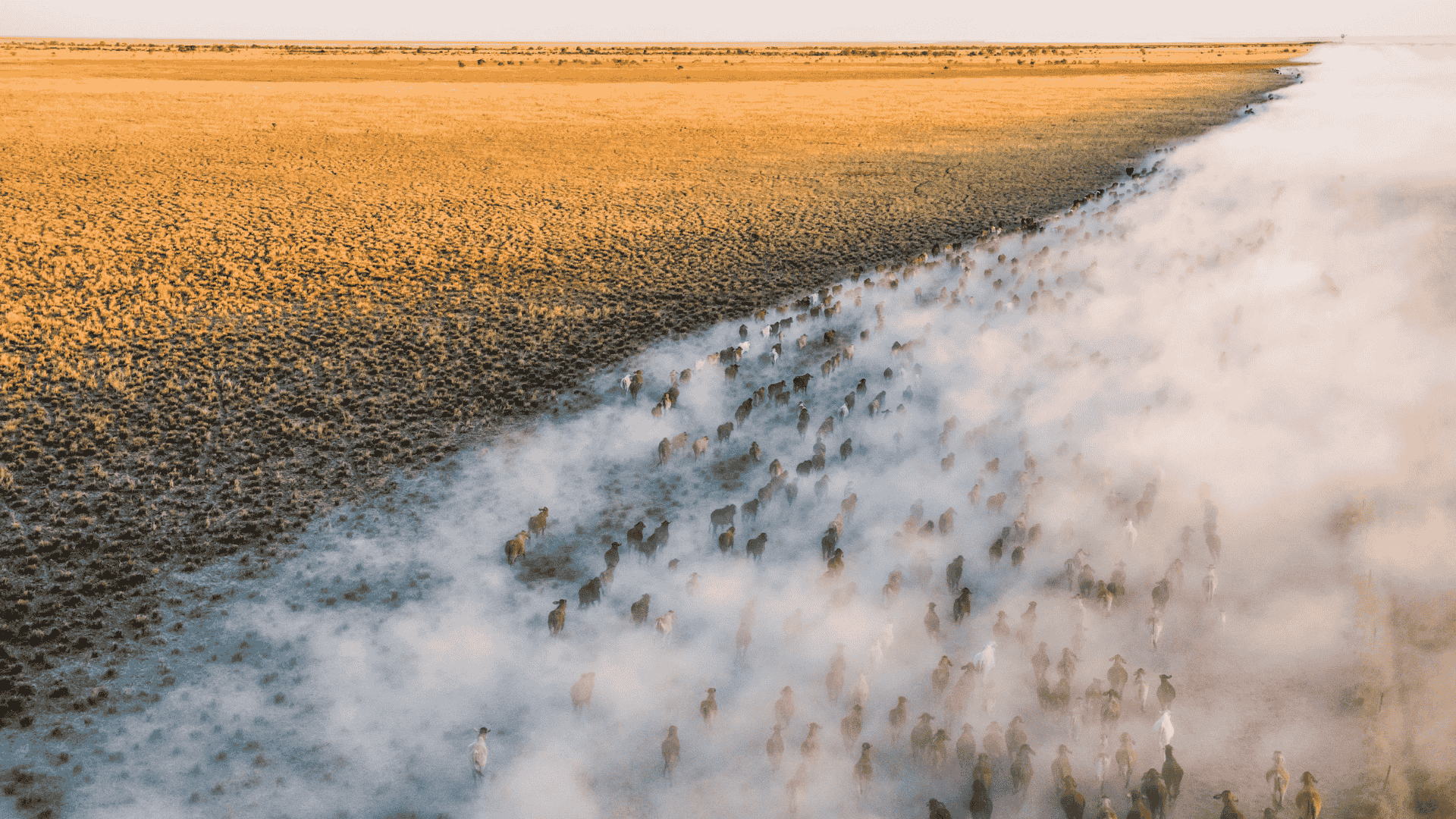
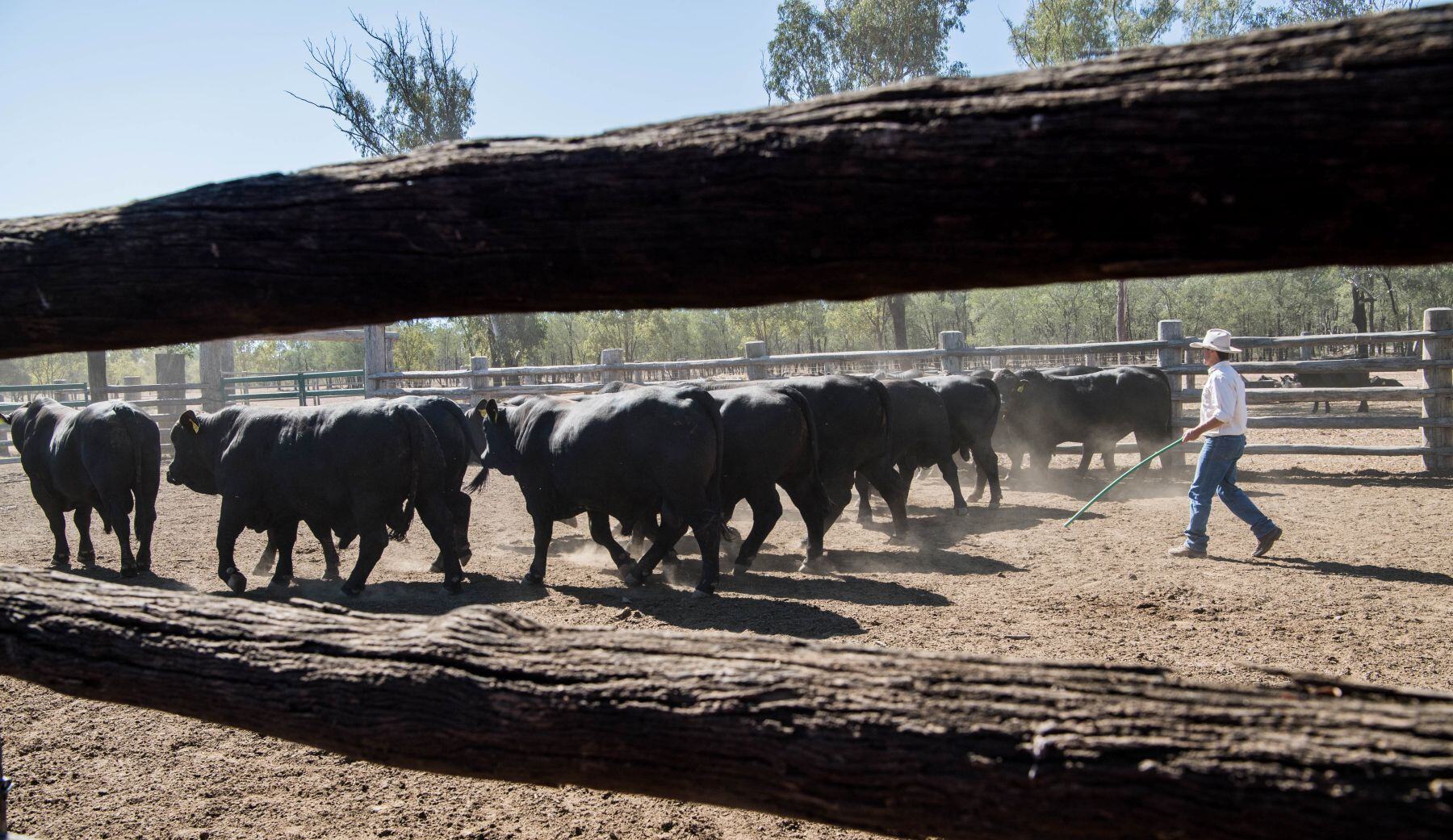
Australia has restricted entry of US beef due to mad cow disease concerns for more than two decades, stopping almost all shipments.

Greer also told senators that negotiations with countries seeking to lower the reciprocal tariffs announced by Trump last week would proceed country by country.

Greer, responsible for implementing tariffs, is the first official to face Congress since last week's global tariff announcement.

He said Trump told him he is not planning for tariff exemptions in the near term.

Greer said he has engaged with about 50 countries so far and the "good news" is that most have not indicated they will increase retaliatory tariffs on the US.


Aussie meat in high demand despite international beef

Aussie meat in high demand despite international beef

Australian beef is a hot commodity despite trade tussles with China and the United States, while domestic prices wane as farmers recover from floods...

Read More >
APlus News Radio Reports

APlus News Radio Reports

Stay up to date with the latest livestock trends AuctionsPlus brings you the latest insights from Australia’s livestock markets, direct to the...

Read More >
RBA hikes interest rates

RBA hikes interest rates

Mortgage holders will face higher borrowing costs after the Reserve Bank raised interest rates by 0.25 percentage points in a widely-anticipated...

Read More >