2 min read

Watt under fire for live ex parliament inquiry 'stunt'

Watt under fire for live ex parliament inquiry 'stunt'

Opposition from farmers and industry stakeholders to a ban on live sheep exports has led the government to call a parliamentary inquiry into the proposal.

Two public hearings will be held as part of a parliamentary inquiry into the federal government's divisive decision to end live sheep exports.

The government introduced laws to the lower house last Thursday that would commit to banning live exports by May 2028, intensifying opposition from farmers, industry stakeholders and the Coalition.

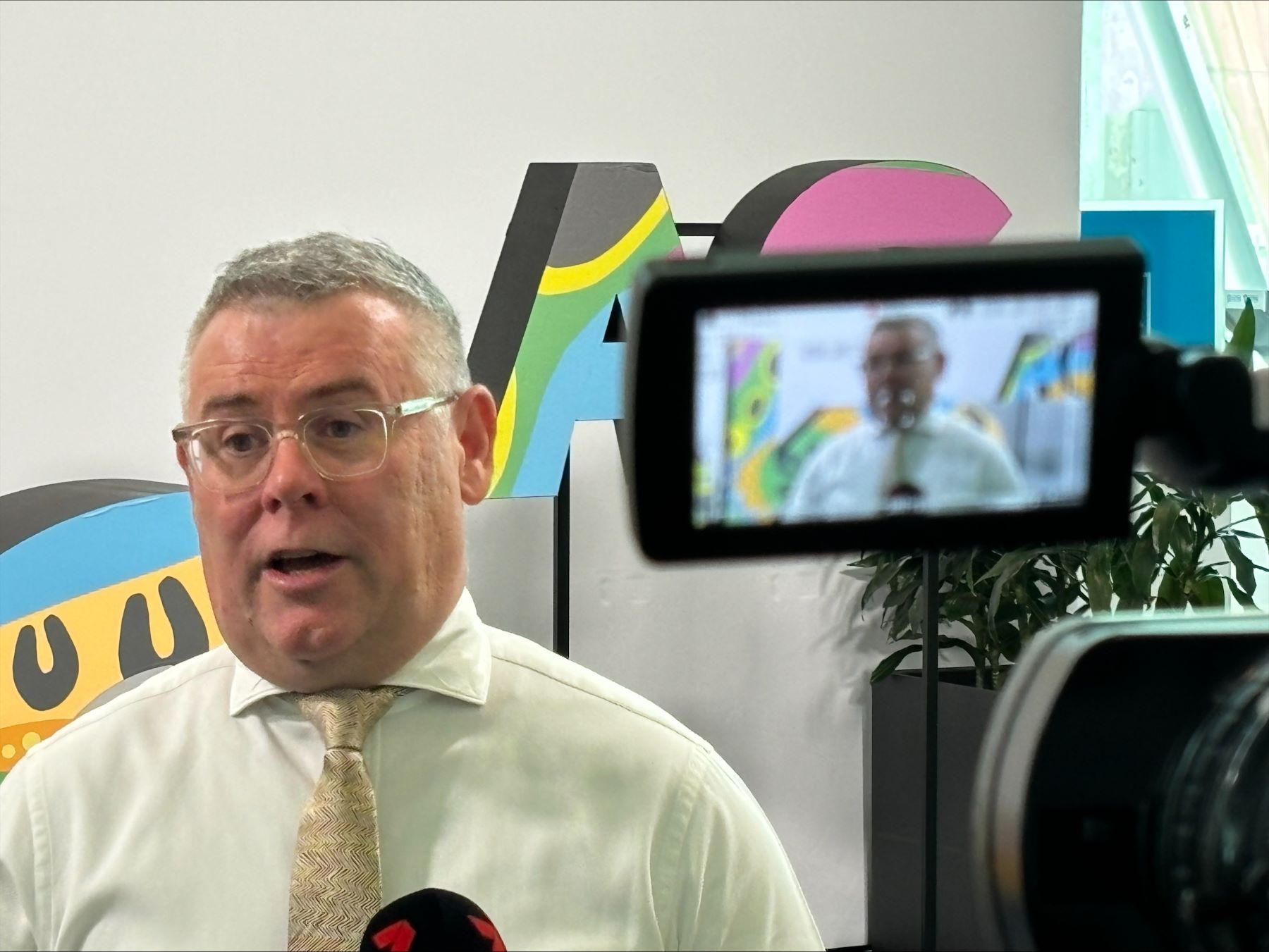
Agriculture Minister Murray Watt acknowledged "a range of strong views on this policy".

"As such, I consider it important an inquiry into this legislation is undertaken prior to passage in either chamber of the parliament," Senator Watt said on Tuesday.

But farmers have described the inquiry as a stunt.

"If the minister thinks this will quieten the growing chorus of voices fighting for farmers and regional communities in WA, he is sorely mistaken," National Farmers' Federation Chief Executive Tony Mahar said.

Exporters are also worried by the timeline of the inquiry and the phase out of live exports.

"It's not fair on the people that are affected by this," Mark Harvey-Sutton, from the Australian Livestock Exporters' Council, said.

The bill has been opposed by the Coalition, including a failed attempt by the Nationals to have the laws examined by a parliamentary committee.

The House of Representatives Standing Committee on Agriculture will explore the provisions of the bill and how it's applied to the live sheep export trade, especially in Western Australia.

The legislation was prompted by animal welfare concerns and would still allow for live sheep to be exported by air and cattle to be exported by sea.

The inquiry will hear from industry stakeholders with public hearings in Canberra and Muresk, Western Australia, next week.

"The public hearing in Muresk will provide an opportunity for the committee to meet those most affected," committee chair Meryl Swanson said.

The Albanese government has set aside $107 million for a transition package to help about 3000 Western Australian farmers affected by the ban.

But the package only kicks in once the legislation is introduced and it is yet to be laid out how on-shore processing will be beefed up.

"Making this funding available as soon as possible will support sheep farmers, processors and supply-chain businesses to plan and make decisions appropriate to their circumstances," Senator Watt said.

"Legislating the end date of live sheep exports by sea in a timely manner will provide the certainty sheep farmers and the Australian community have been asking for."

Labor pledged to end live sheep exports after more than 2000 sheep died from heat stress in 2017 while travelling on a ship from Australia to the Middle East.

Paraquat and diquat review handed down

Paraquat and diquat review handed down

Paraquat and diquat will remain available for use after the Australian Pesticides and Veterinary Medicines Authority delivered its final decision on...

Read More >
Calls for vigilance across agriculture as second bird flu case confirmed

Calls for vigilance across agriculture as second bird flu case confirmed

Preparedness and vigilance are the strongest tools Australia's farmers have to combat the impacts of the H5N1 strain of bird flu, detected for the...

Read More >
Australia exhausts China beef quota triggering 55% tariff

Australia exhausts China beef quota triggering 55% tariff

Australian beef exporters are facing a significant shift in trading conditions after China confirmed Australia has reached 100% of its 2026 imported...

Read More >